










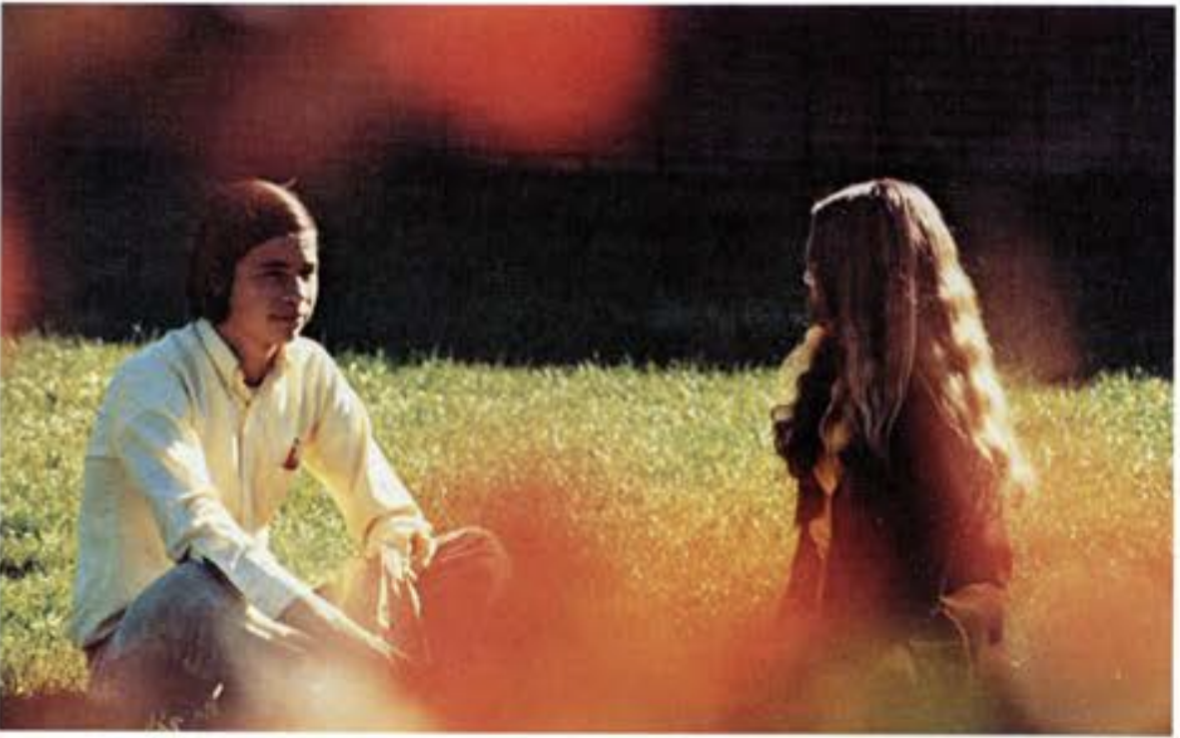




























































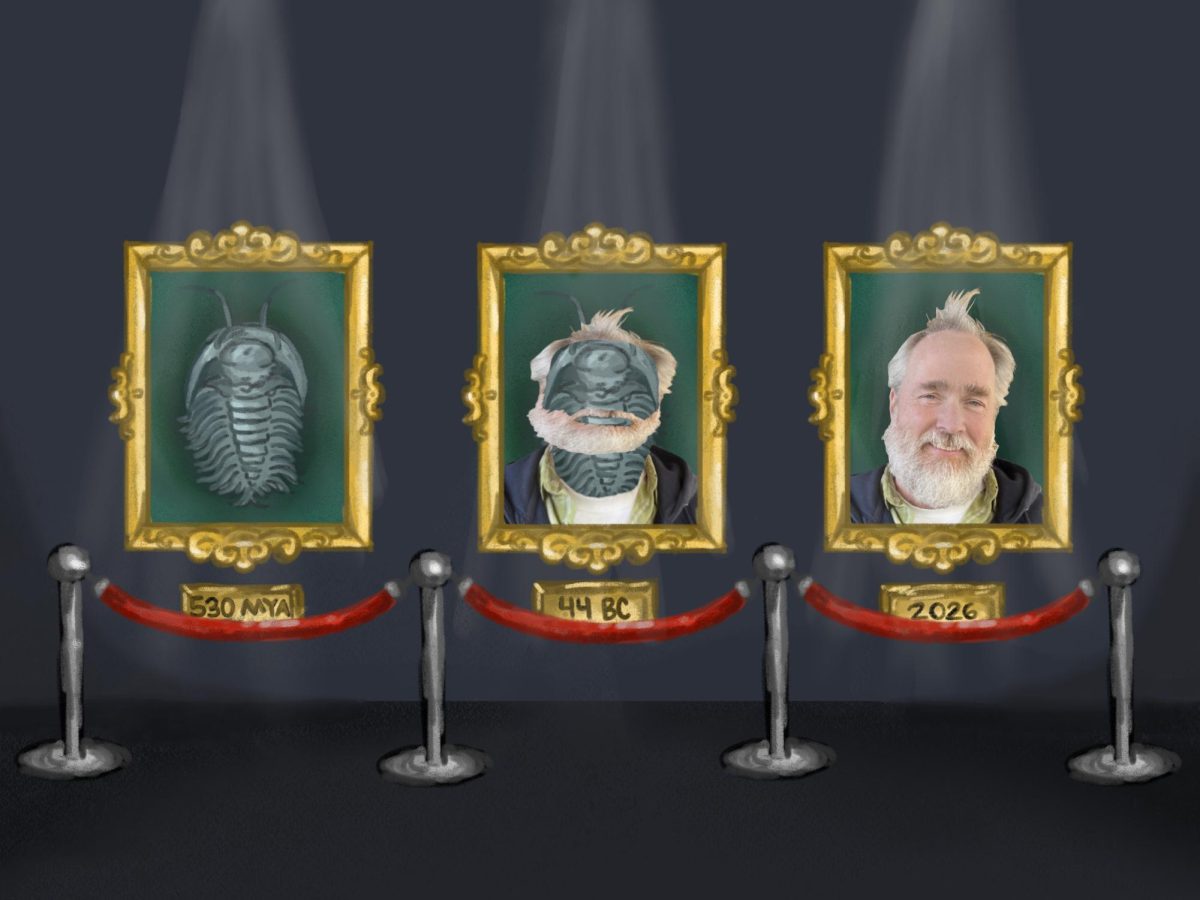

When a child is born, it is an it.
Not a he.
Not a she.
Not a they.
An it. A human.
And while it may be born as male or female, it isn’t quite a boy or a girl just yet.
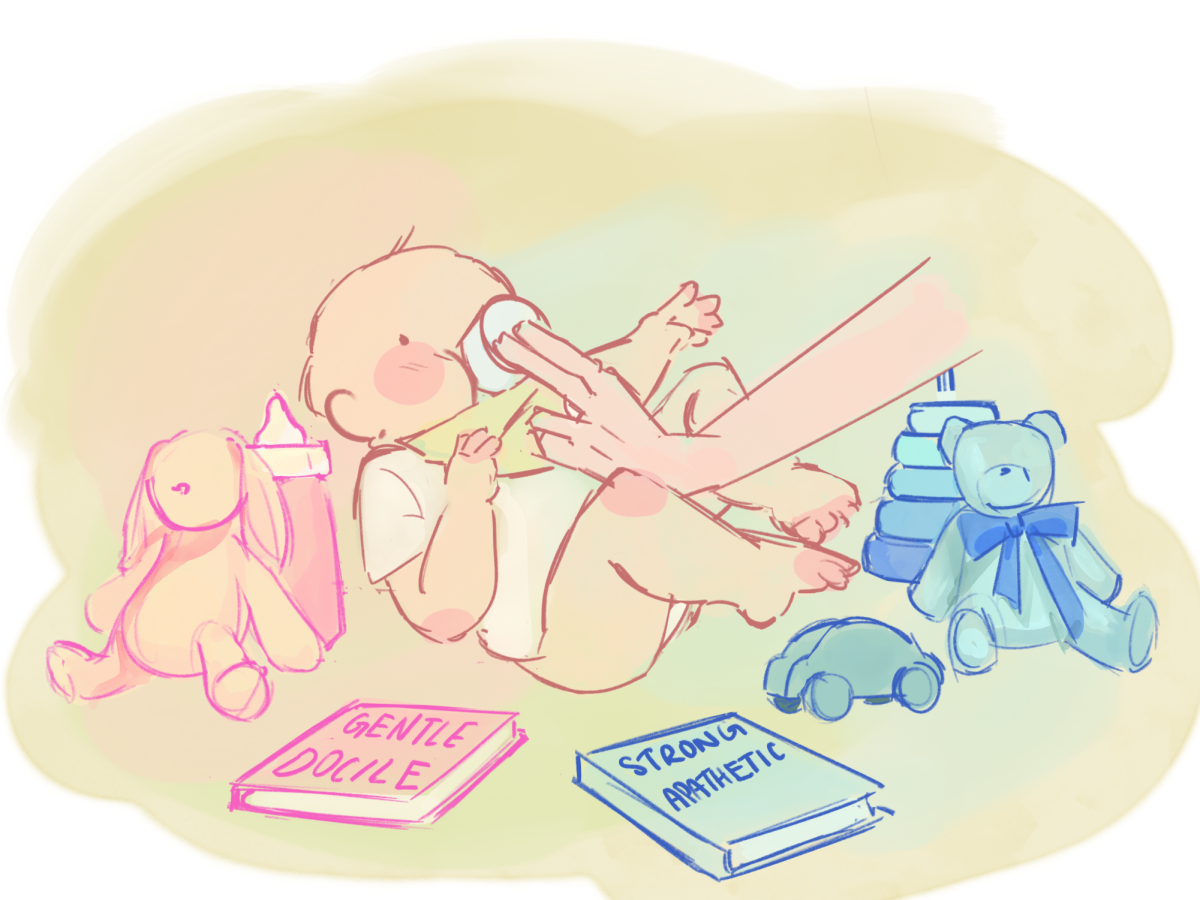
Almost immediately, the world swoops in, furnishing the child’s blank slate with gender. Clothing, toys, color—all gendered.
As the boy becomes a man and the girl becomes a woman, these patterns are reinforced. Boys and men are strong and level-headed, natural leaders. Girls and women are sensitive and kind, natural caregivers. Men are the producers; women are the homemakers. Or so they say.
There is an equally ubiquitous flipside to this as well. If men are level-headed and kindness is feminine, then men must be unemotional and aggressive. If women are gentle and leadership is masculine, then women must be submissive and docile. Just as it is impossible to stare at an image for prolonged periods and not see its opposing afterimage, it is impossible to live within a stereotyped society and not internalize its inverse.
And when a message is parroted throughout, becoming ingrained into the very fabric of one’s environment, it becomes impossible not to absorb it.
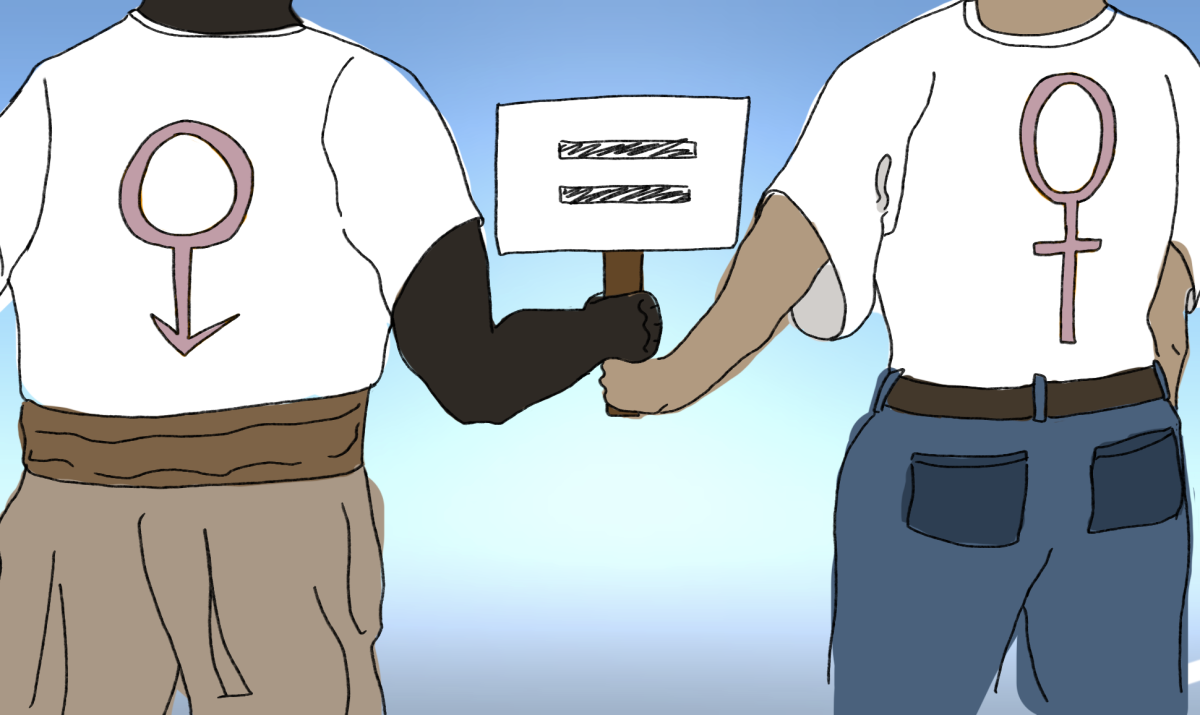
Masculinity and femininity, both intensely toxic in their own ways, engendered the centuries-long oppression of women across the globe, arguably the most prolific repression in history. Feminism has tirelessly worked to empower women to ascend from these limiting and deleterious tropes. It has built an escape hatch into that stereotype by inventing the subtrope of the girl boss, the feminist activist, and the hypercompetent official. In turn, the afterimage of feminism has allowed men to stray from their trope and embrace sensitivity and compassion.
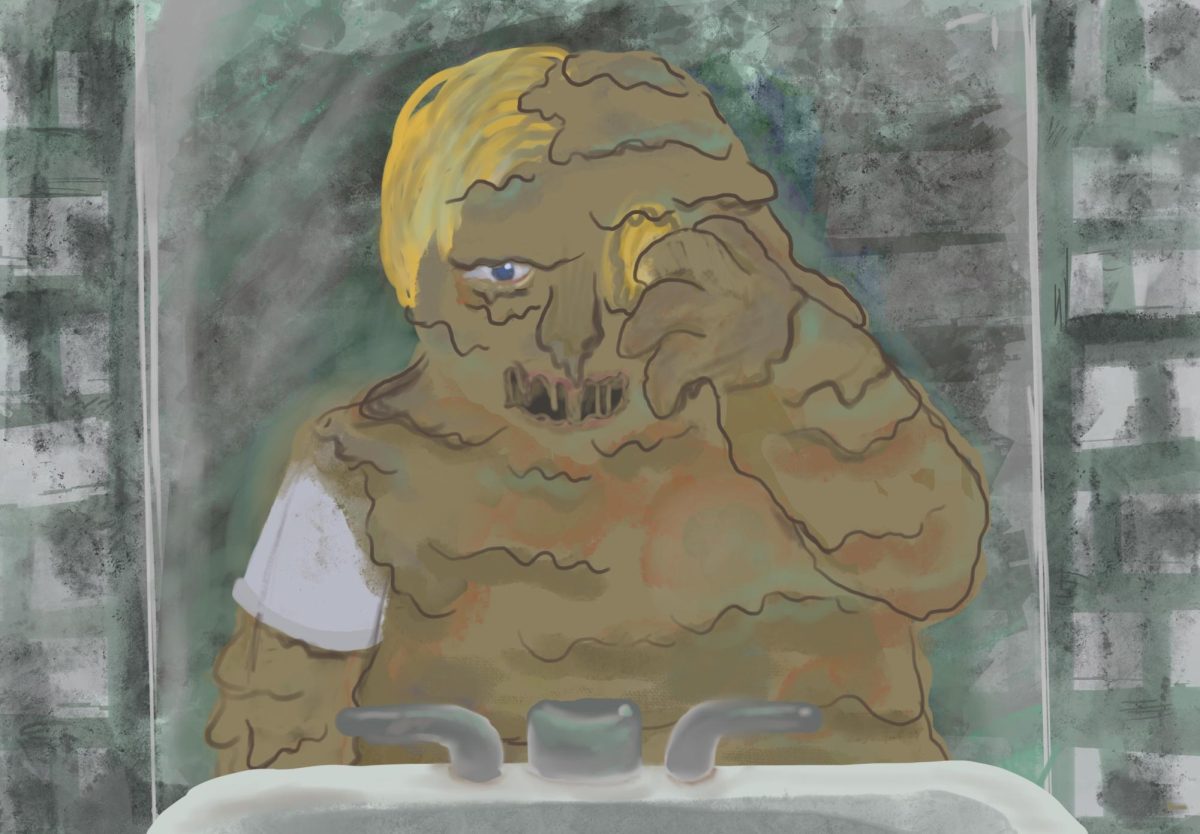
Yet as these brave women pioneer this movement, benefiting both genders, a group of men still resists. Dubbed the manosphere, it consists of men stunted in their personal development. Transfiguring their personalities into the most intensely gendered stereotypes, they view feminism’s mutual ascendancy from gender as an attack on their reactionary egos. By promoting their brand of masculinity, they have curated an image termed toxic masculinity: one based on misogyny, anger, and malice.
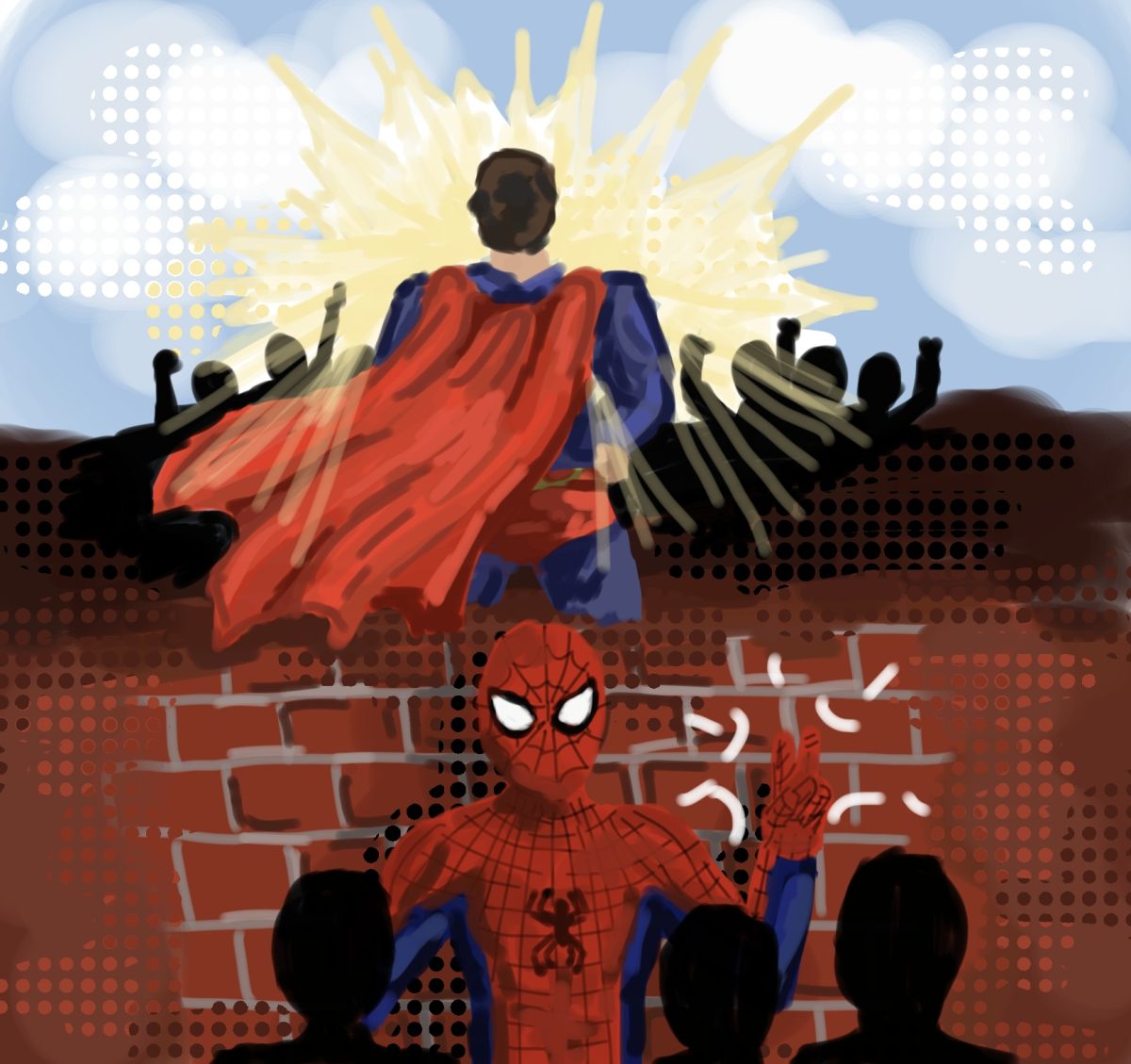
Thankfully, secure men with whole identities have offered an opposing view of masculinity: one emphasizing supportiveness, mental fortitude, and honesty.
The side effect of this largely benign and well-intentioned rhetoric, however, is the resurgence of traditional gender norms—just detoxified. It strips away the most overtly negative traits, yet still transforms the man from a cruel provider into simply a provider.
The issue remains that any stereotype is intrinsically toxic. Forcing an arbitrary group of people to assume an identity not only demands that they fit into a mold they might not be suited for, but it also blocks another group from assuming that identity altogether. And gender is truly arbitrary. A landmark 2015 meta-analysis proved that individual personality variance far overshadows any trends that differentiate men and women.
Family values are often used as a last-resort buzzword, forming a highly emotional and incoherent argument against the erasure of gender norms. In truth, this new cultural perspective serves as the ultimate guardian of family values. Family strength has never come from rigid archetypes, but rather from support. By liberating children and parents from mandatory stereotypes, we protect the serenity of the home, ensuring it remains a sanctuary of authentic care rather than a space of outdated expectations. Allowing people to be who they are, to exist simply within their natural personhood in the context of familial compatibility, is the true expression of family values.
Therefore, the goal is for children to be born as a he or a she—not for the reasons they are labeled as such today, but precisely because the cultural baggage of those labels has disappeared, for those words to lose meaning beyond a basic biological fact.