

























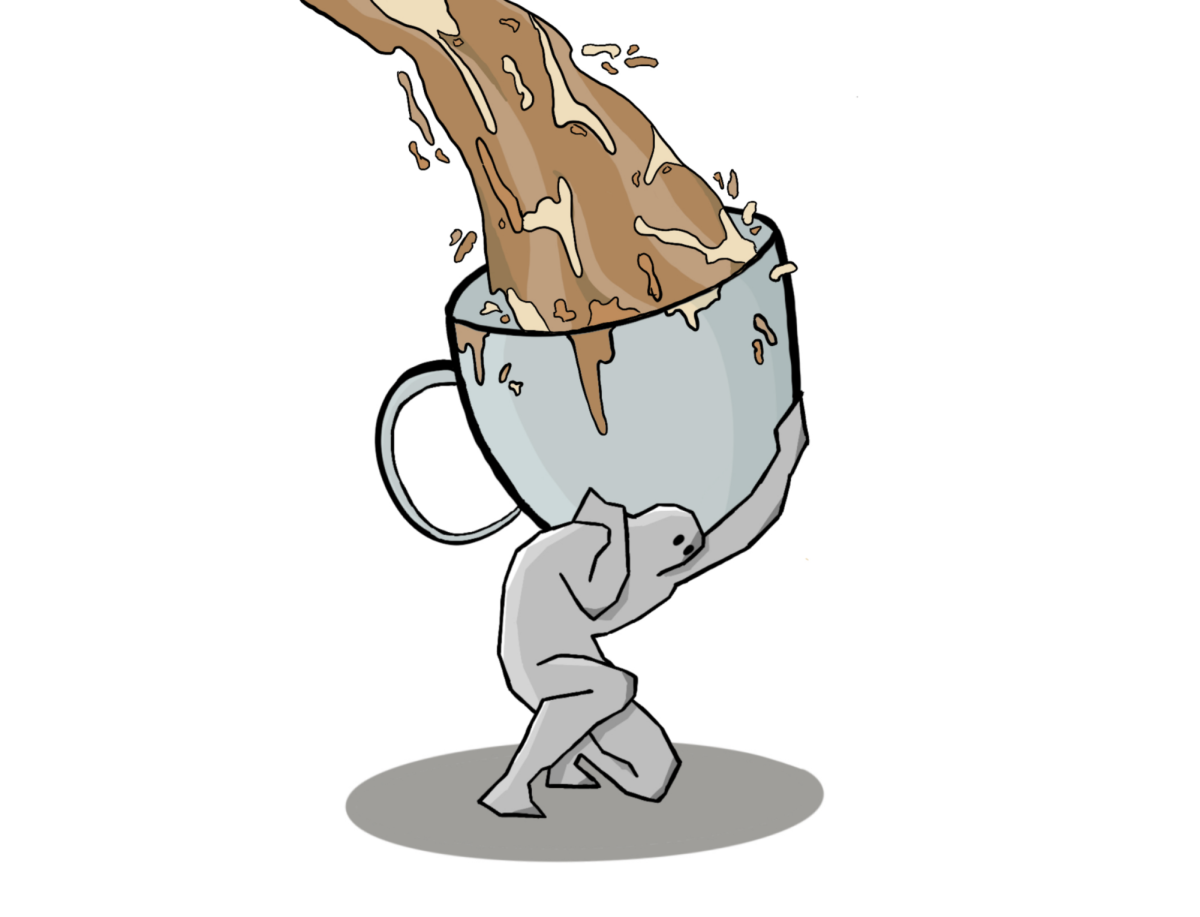




























































The wellness industry—a system of businesses and products that aim to help customers individually attain physical, mental, and spiritual balance—is confusing. Warnings about the consequences of diets high in ultra-processed foods are contrasted with ads for protein-maxxed everything, and digital detoxes are juxtaposed with encouragement to monitor every bodily function. For all its intentions, the wellness industry has ironically become unhealthy, a source of anxiety and insecurity.
People have been looking to live well since the beginning of time. It wasn’t until the late twentieth century when “wellness” became a profitable industry. As chronic conditions became more prevalent and healthcare costs rose, focusing on preventative individual measures became more popular. The wellness industry latched onto this, and in 2024 it had an estimated $6.8 trillion market, according to the Global Wellness Institute. This growth has been propelled by telling us we have problems we’ve never heard of, then offering a solution—be that a wearable device, a pill, or some expensive facial cream with algae freshly imported from the Great Barrier Reef.
A significant event in this decade’s wellness industry has been the rise of the “Make America Healthy Again,” also known as MAHA, movement. The core message of MAHA is simple and relatively uncontroversial: eat whole foods, be active, and “reduce dependence on pharmaceuticals,” as stated by Annals of Human Biology.
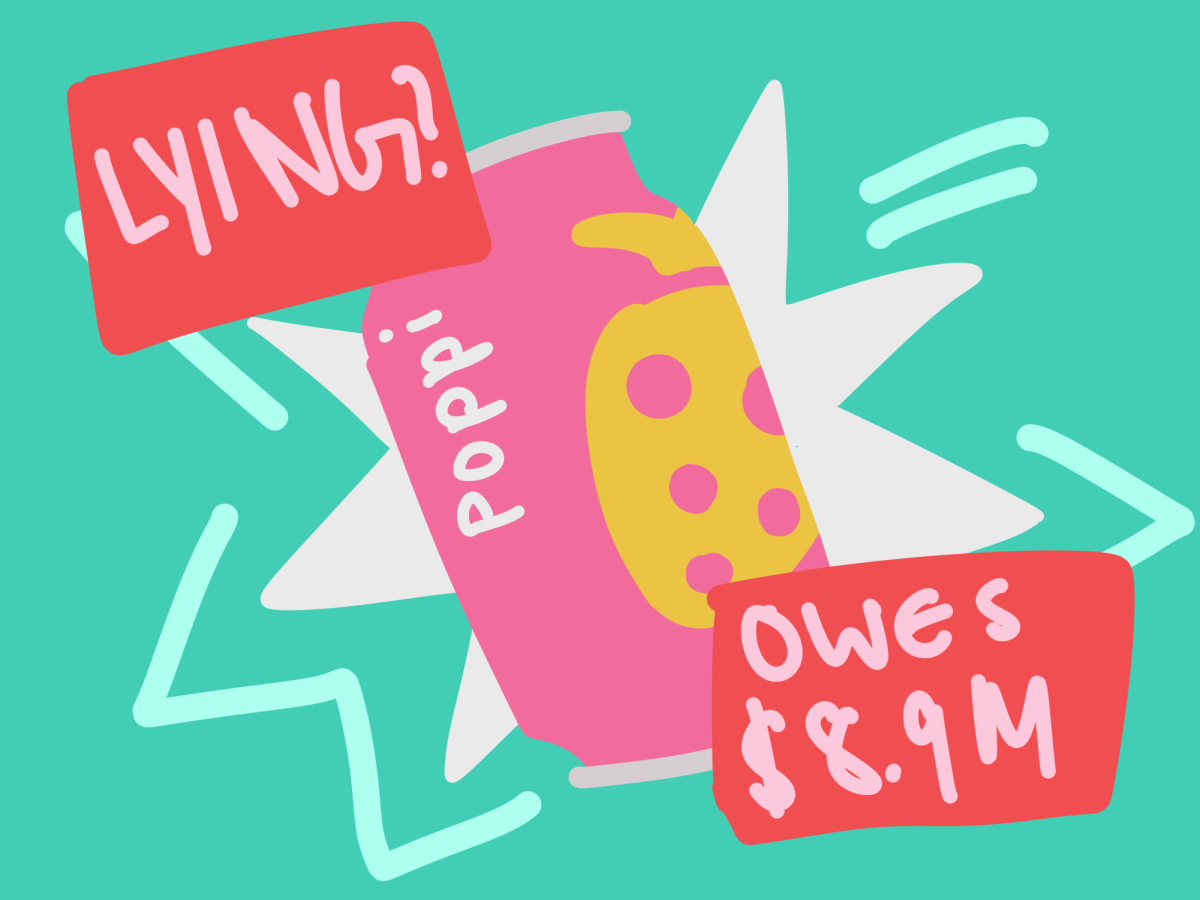
However, MAHA also encourages skepticism in medical institutions, which can lead to some ignoring valuable advice and following dangerous wellness recommendations. As experts have increasingly been viewed with more skepticism, many influencers have risen to fill their roles, establishing credibility through appeals to relatability, said an article by Wellman. The Pew Research Center published a survey in 2025 that found 57% of women and 47% of men ages 18 to 29 recieve wellness information from these creators. With this much sway, the unfortunate truth is that many of these influencers are not motivated by wanting the best for their followers; rather, they profit from compelling their followers to buy sponsored wellness products. This setup has opened the door for many treatments to be toted as necessary for good health or as magical cure-alls.
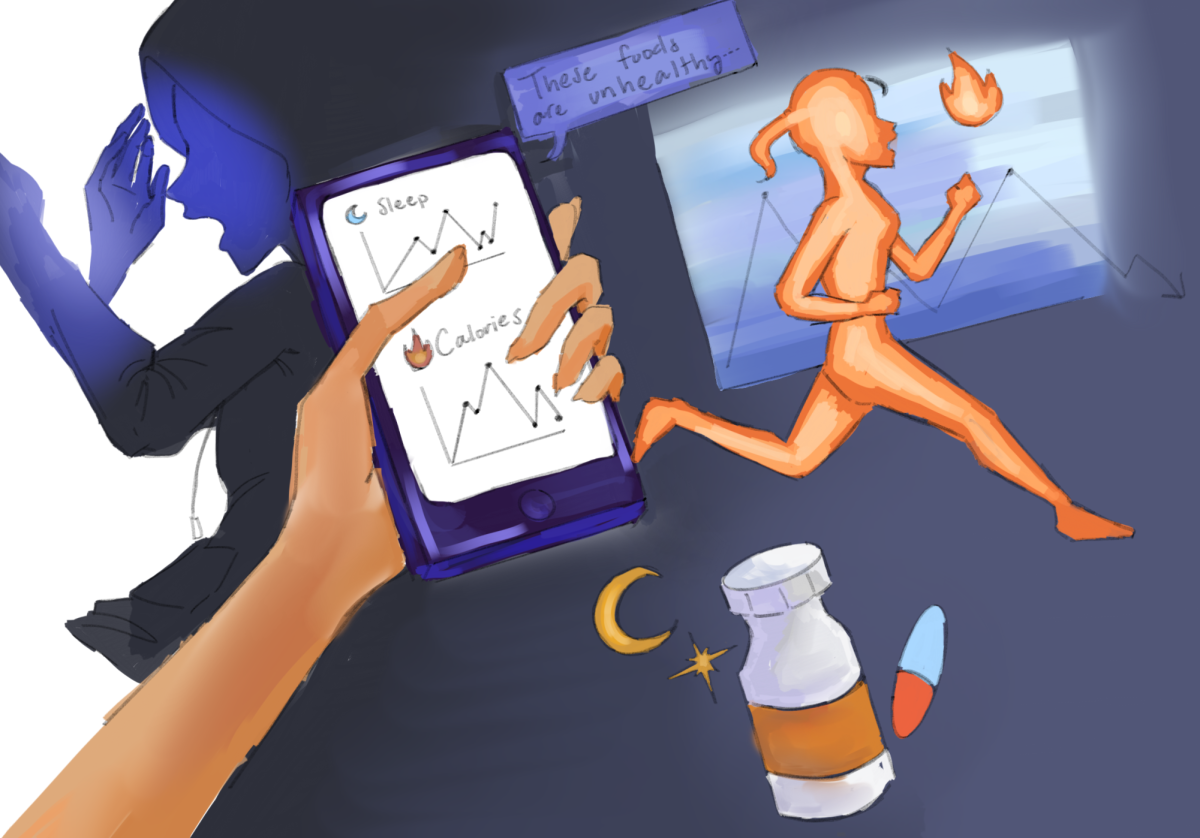
Despite so many goods being promoted by the wellness industry, very few products have risen to the level of everyday adoption as personal health trackers. According to the Northeast Wellness Collective, although they make it easier to adopt healthier habits and turn wellness goals into tangible targets, obsessive monitoring can lead to worse mental and even physical health when it becomes the “main relationship someone has with their body.”
A notable example is orthosomnia, the intense preoccupation with optimized sleep. Sleep tracking was popularized to improve rest and recovery, but in cases of orthosomnia, the opposite is true. According to Insights Service Bureau, no matter how good you feel upon waking up, seeing a low number on your screen “sets the tone for the day before the day has started,” leading to health anxiety, less self-trust, and a reliance on external validation rather than internal cues.
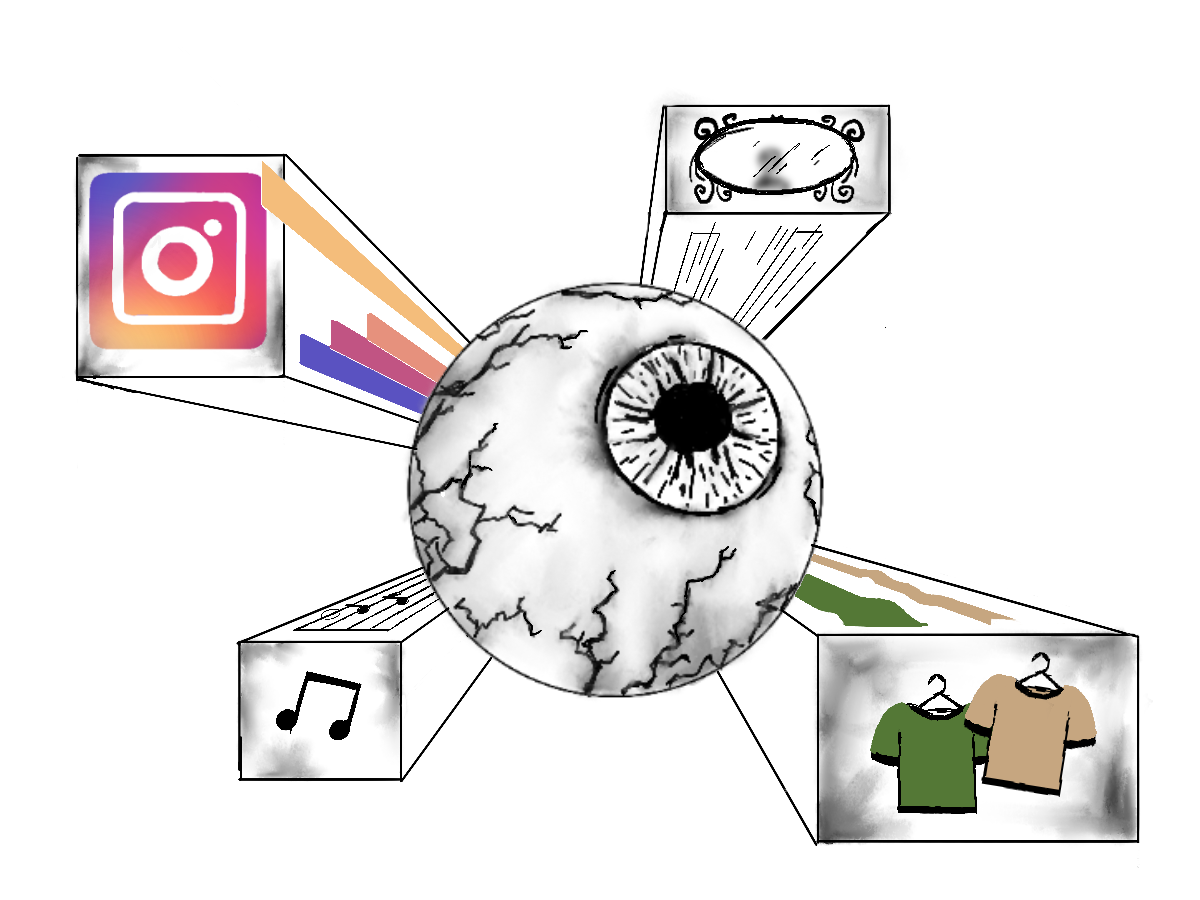
The constant tracking encouraged by the wellness industry has another major repercussion: the exacerbation of disordered eating patterns. Both excessive tracking and the impact of social media posts like “what I eat in a day” videos or wellness influencers who market themselves as experts without true credentials fuel fixation on healthy eating. This can turn for the worse when this concentration erodes the balance of everyday life, and deviations from plans or eating “unclean foods” are avoided at all costs to avoid intense anxiety and discomfort. According to Telegraph Psychology, in extreme cases, these patterns can form the eating disorder orthorexia, defined as “an exaggerated, obsessive, pathological fixation on healthy food.”
The most recent update to the wellness industry is the backlash by many who feel the chase of optimization and perfection isn’t helping them better themselves, and I have to say that I agree with them. Not everything is advertised as healthy as it truly is. If good health is a balance between the physical, mental, and spiritual, then obsessive rigidity is not the answer and denial of tested and true medical practices gets us nowhere.