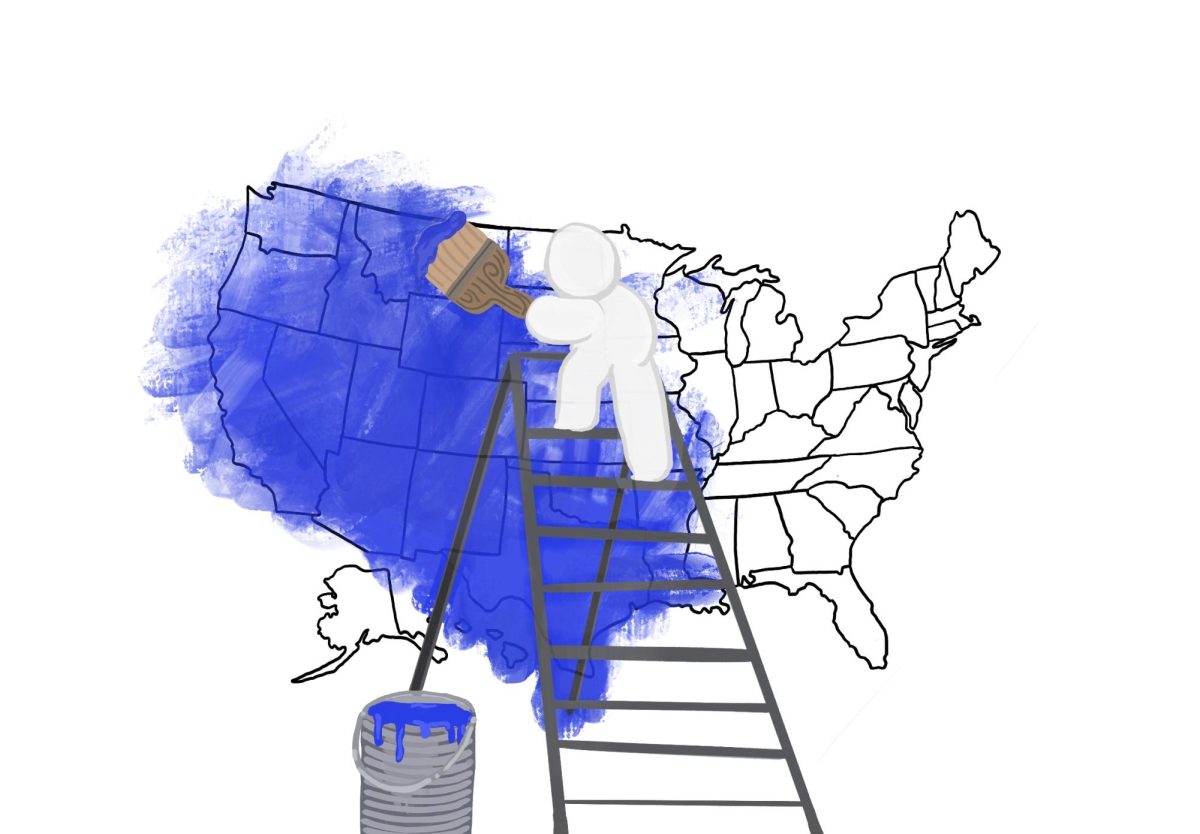






























































































Leaders in Washington continue to believe that the AI cloud is just a harmless, weightless puff that never touches the ground, ignoring the reality of its effect on local power grids and the weight it places on them. These national leaders frame AI as an invisible, high-stakes race between our nation and others that happens simply for innovation, digitally irrelevant to the physical world. In reality, US data centers are projected to consume 313 terawatt-hours of electricity—over 6% of the nation’s power grid in total. While federal decision-makers celebrate our nation’s progress, which they have helped to achieve, the rest of the country is dealing with the consequences of the sudden drain of resources. Such an imbalance creates a harmful disconnect between the nation’s capacity to endure and federal ambitions.
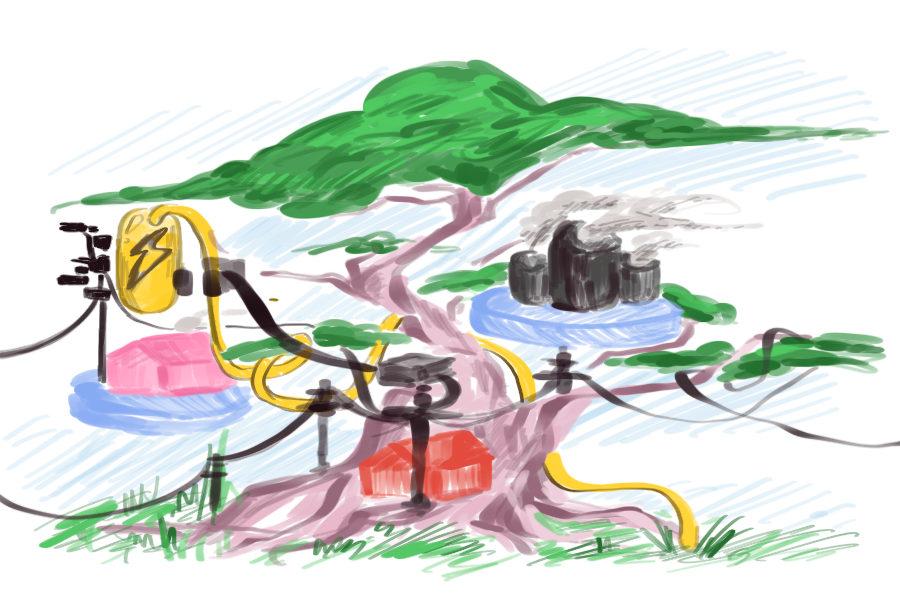
While political figures attempt to rename the emerging technology as “Super Intelligence” to frame it as an engine of infinite progress, no such rebrand can mask the physical reality of its overconsumption. To deal with the surge in energy demands, power companies across the nation are planning billion-dollar upgrades to build new transmission lines, substations, and power generators to handle these massive new data centers. Under current regulations, individuals are forced to absorb these upgrade costs through higher monthly bills. Consequently, working families must finance power lines that deliver massive amounts of energy to data centers without providing any benefit for the taxpayers themselves.
State requirements are now mandating that utility companies shut down fossil fuel plants and transition into clean alternatives. Because renewable energy and battery storage cannot meet the jump in demand for these server farms, power companies are delaying their transition to clean energy and continuing to use coal and natural gas facilities. For example, in Georgia, utility executives postponed the plan to retire massive coal-burning facilities at Scherer Power Plant, which was originally scheduled to close by 2028, specifically citing the unprecedented increase in energy demands from nearby data center developments. Similarly, in Virginia, the home of the world’s largest concentration of server farms, the main utility company for the state scrapped its plan to retire its coal factories as far out as 2045 to ensure that it had the bandwidth for new development. Such tension creates a profound dilemma, as facilities required for digital security and defense bring harm to the local air quality and long-term climate goals.
The ambition of politicians to make the US the dominant AI superpower is deeply tied to their perception of national security and economic development for the future, but technological progress cannot continue to ignore the physical impact. When policy ignores AI’s impact, it becomes blind to the individual experience of higher utility bills and delayed clean energy targets. Rather than stalling technological progress or forcing local ratepayers to foot the bill, public utility administrators must ensure that these developers fund their own dedicated energy and grid infrastructure. Effective management requires policy that ensures that infrastructure and everyday communities are not crushed under the increasing weight of national ambitions.