
























































































November 3 was supposed to be a blue wave.
Instead, it was so much more.
By sunset on Election Day, hosts in every news channel had their expectations completely shattered.
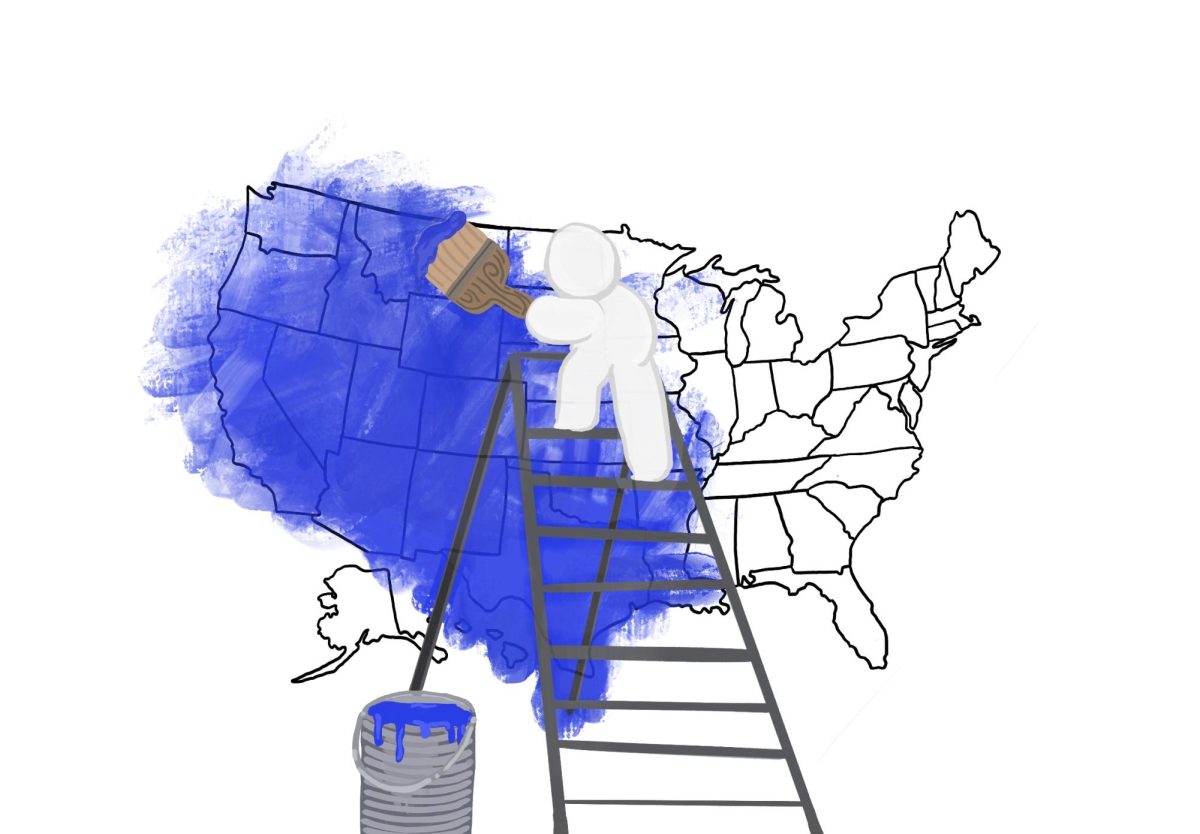
The map did not retain the same red hue that 2024 had painted it with.
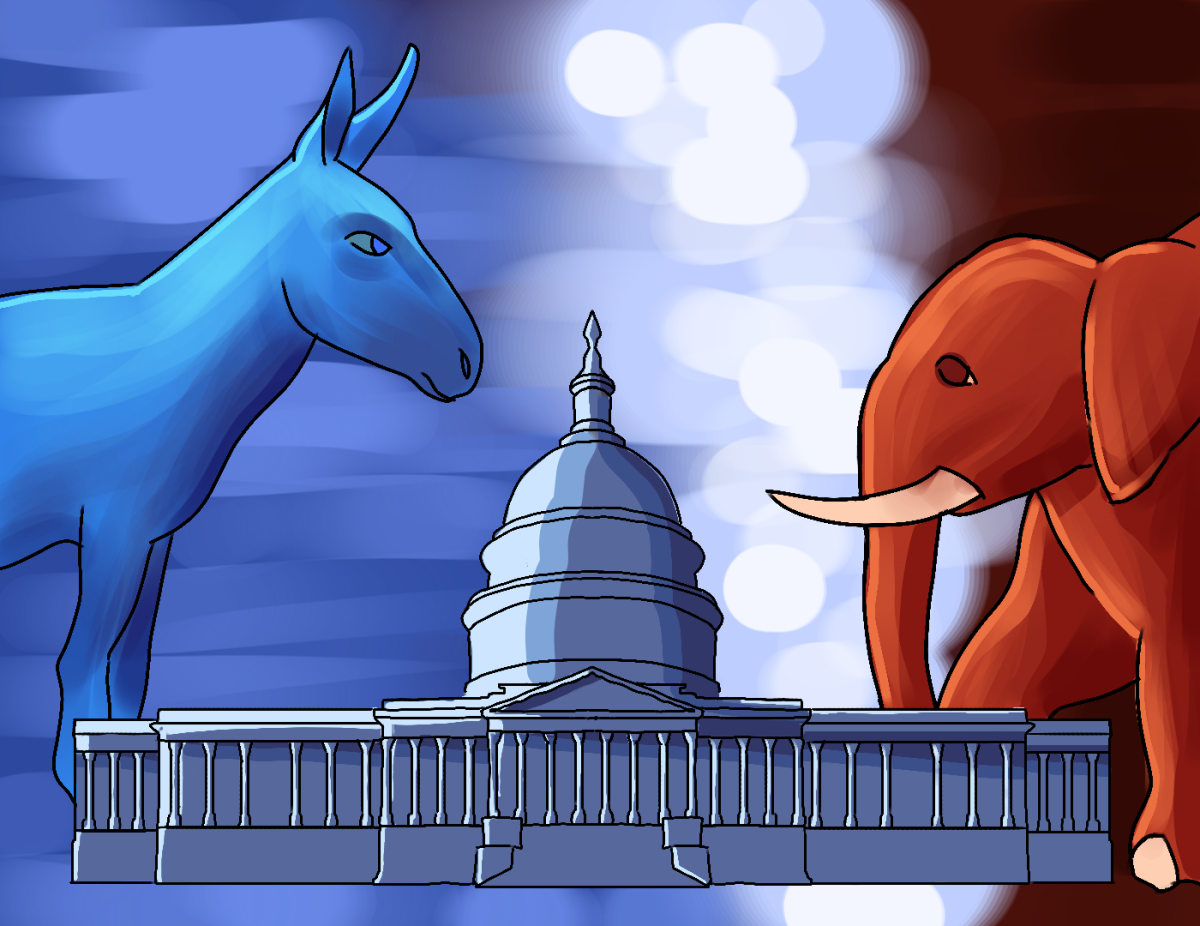
The blue tsunami, blue earthquake, blue mudslide—whatever you want to call it—was a historic event that placed the Democratic Party in a position even its most optimistic supporters did not anticipate. This was not just a rejection of Trumpism, but a full-throated repudiation of his administration. A look at the midterm map will explain why this election was so monumental.
The Democrats won the Senate and gubernatorial races in battleground states that had seats up for election. In Georgia and North Carolina, swing states that voted for Donald Trump in 2024, Keisha Lance Bottoms, Jon Ossoff, and Roy Cooper delivered wins by staggering margins for the Democratic Party. Obama-era swing states like Ohio and Iowa were also reclaimed. Florida’s close election despite the lack of effort from the Democratic Party suggests that even Trump’s self-declared home state is more purple than many assumed.
It wasn’t just the swing states that leaned toward the Democrats. The Democratic Party saw major success in deep red states. In Texas, James Talarico and Gina Hinojosa defeated the unpopular Ken Paxton and three-term Governor Greg Abbott in the races for Senate and Governor, respectively. Abbott’s loss in particular is a testament to the dissatisfaction voters feel with the Republican Party. In a pair of stunning outcomes that defied pre-election forecasts, Democratic candidates captured Senate seats in both Mississippi and South Carolina. Meanwhile, in Kansas—a state that has not sent a Democrat to the U.S. Senate in nearly a century—Democrat Adam Hamilton also secured victory.
Another significant development that night was the rise of progressivism across the nation. Most prominently, Dr. Abdul El-Sayed clinched victory to represent Michigan in the Senate, overcoming several campaign hurdles and Islamophobic rhetoric. While more moderate than El-Sayed, Troy Jackosn defeated longtime Senator Susan Collins with a campaign built on a distinct Maine flavor of progressivism. And finally, right here in California, Nithya Raman and Jane Kim edged out more moderate Democrats for the positions of Mayor of Los Angeles and State Insurance Commissioner, respectively.
The Republican autopsy began before the final states were called. High inflation, foreign conflict, and cuts to social safety nets left voters disillusioned, while Trump’s low approval ratings worsened the chances of the already unappealing GOP nominees.
It is important to remember that this election is an electoral win, not a permanent shift. To translate this win into a true realignment, Democrats must keep the promises they made on the campaign trail, posing a stark contrast with Trump’s trail of broken ones. By either securing these legislative goals or publicizing Trump’s rejection of them, Democrats can maintain popularity in the states they won under these special circumstances.
It is often said that the day after election day is the start of the next election season. That could not be more true for the 2028 cycle, which arguably started the moment Trump won in 2024. The Republican Party faces an existential crisis, threatening to split into warring factions. The far-right MAGA coalition faces an uncertain future with the looming departure of Trump, pitting neoconservative and isolationist politicians against each other.
2026 should serve as a guiding light for Democrats. The anti-establishment, economically populist and charismatic candidates that swept the nation provide a model for the ideal 2028 candidate.
To many on the left, Trump’s victory in 2016 seemed like an inexplicable mistake, and 2024 served as a painful and deliberate attack. He was able to tap into a rage within the Democratic Party that had previously ignored, enabling his unlikely rise to the top. Democrats may have now found their key, similar to the one Trump found in 2016. But luckily for them, the emotion they unlocked is not rage, but hope. While rage is a volatile flame that eventually consumes itself, hope is a steady tide capable of sustaining momentum for the long haul.
And that tide is distinctly blue.