














































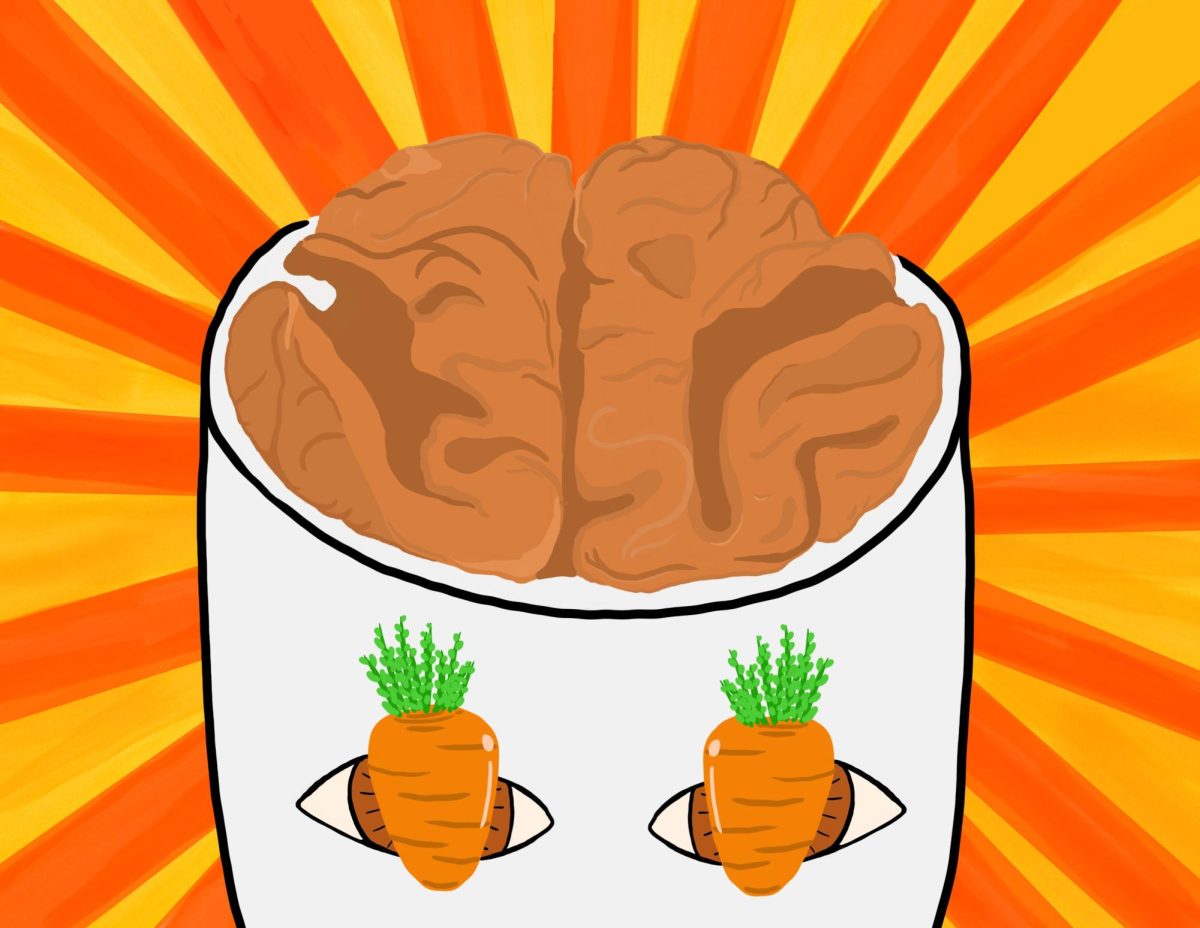
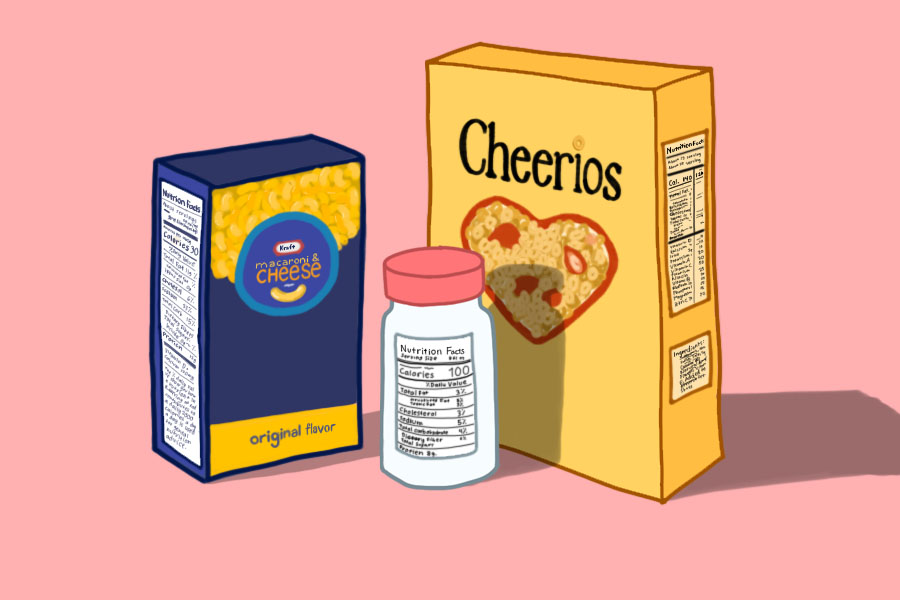

























Corn is more than just the vegetable on your dinner plate. It could be in your cereal, snack, or soft drink. Because corn is inexpensive and can be processed into different ingredients, there is a high chance that you consumed corn today without realizing it. The vegetable has become a fundamental ingredient in the American food system.
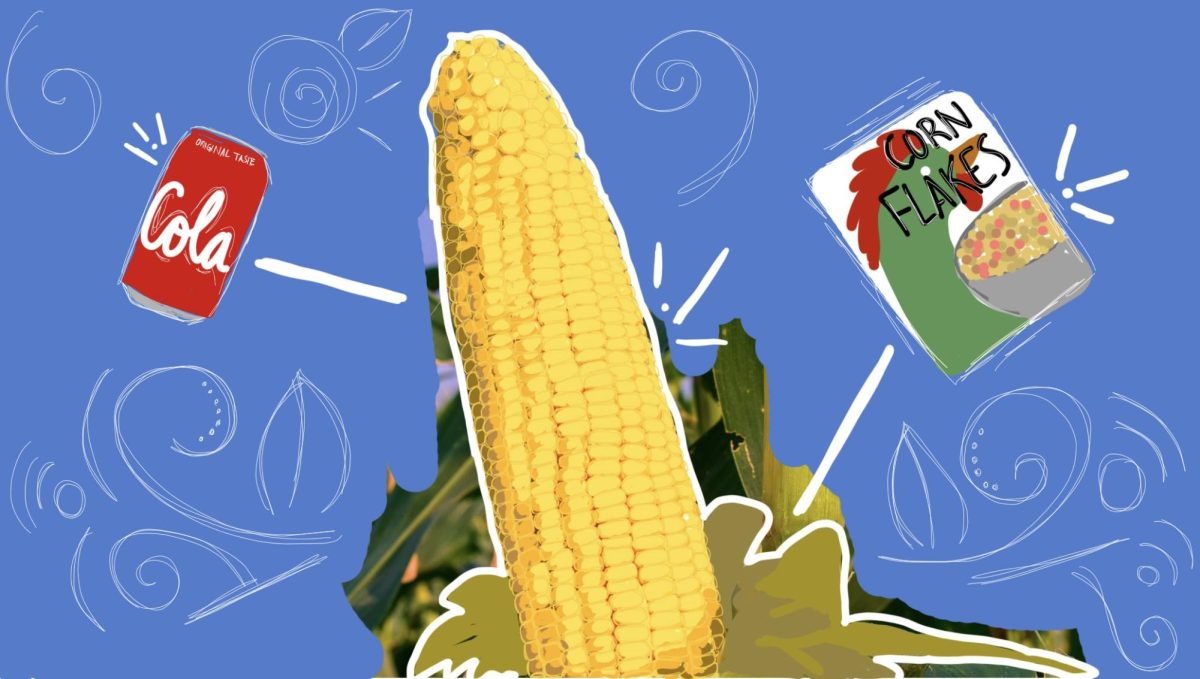
According to the US Department of Agriculture, corn makes up more than 95% of the U.S. livestock feed grain production and use. Corn is also processed into ingredients such as corn starch, corn oil, and sweeteners. This means that corn’s influence extends beyond the produce section of a grocery store. One common example of this is high‑fructose corn syrup. Made from corn starch, high-fructose corn syrup is used in processed foods. Type 55 is used in drinks, while type 42 is used in baked goods and cereals. This makes corn surprisingly easy to find in foods. You could eat breakfast cereal, indulge in a packaged snack, or sip soda and unconsciously consume ingredients that derived from corn.
Corn’s widespread use comes from its low cost and versatility. Farmers produce copious amounts which allows manufacturers to turn corn into many products. The USDA reports that corn is used not only for food but also for animal feed, fuel, and industrial products. Corn’s low costs affect more than what its consumers see on grocery store shelves. However, corn’s affordability does not mean that corn itself is unhealthy. Whole corn contains nutrients that can be part of a balanced diet. The distinction lies between eating corn as a food and consuming highly processed foods with corn‑derived ingredients. Most of these highly processed foods contain high-fructose corn syrup—which has an extremely high sugar content. The USDA reports that its production increased substantially from 1980 to 1999, and later declined. This demonstrates how Americans’ corn consumption has changed as food manufacturing has developed.
When you look at a food label, corn might be hiding in plain sight. Corn could appear as corn starch, corn oil, or a corn‑based sweetener. What looks like a singular crop has become connected to many of the foods Americans eat every day. Therefore, cheap corn is not simply an agricultural story. It is a complex narrative about how one crop can move from farms into grocery stores in ways consumers may not always detect.