





































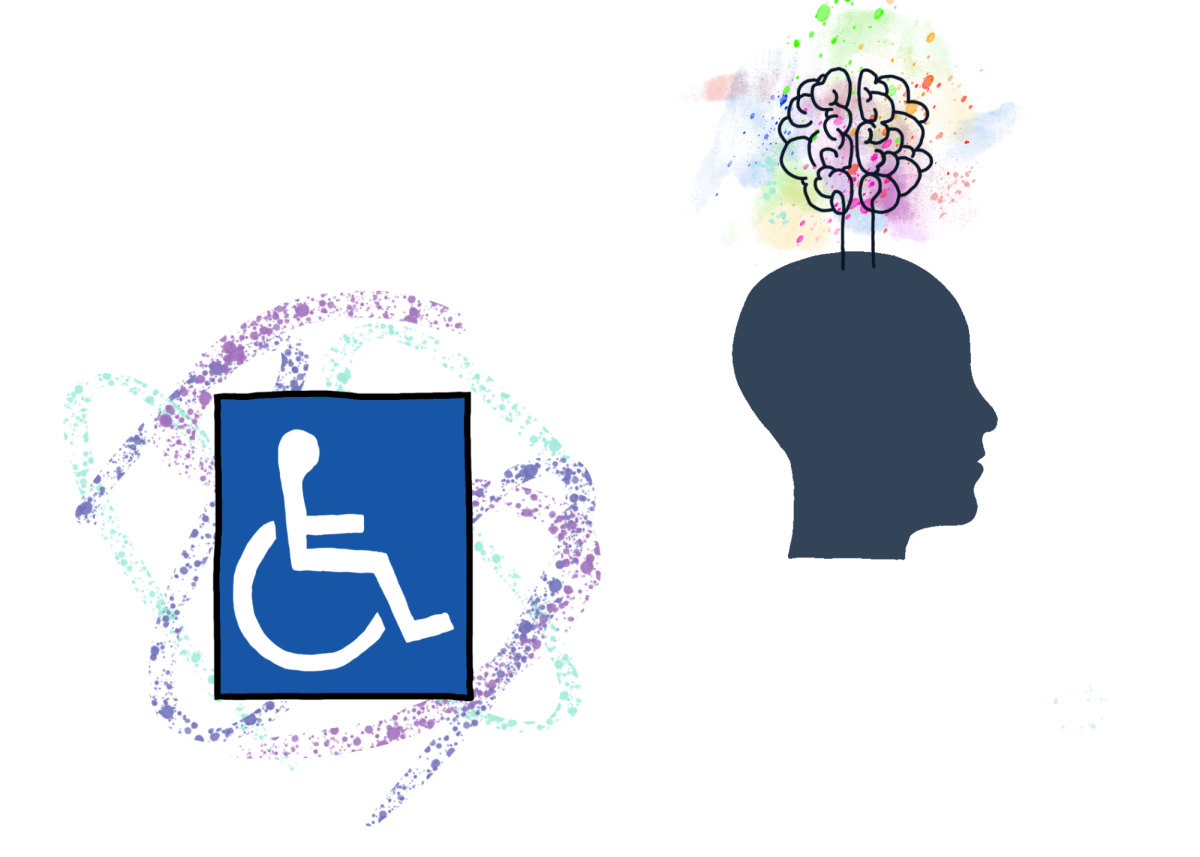




































Have you ever searched desperately for handicap parking? Couldn’t enter a building because the facility failed to provide a wheelchair ramp? Was unable to obtain accommodations in time for your next test? If you haven’t had to consider such questions, consider yourself one of the many with a privileged ability status. Unfortunately, those who are differently-abled need to consider these questions daily in order to partake in a society that wasn’t designed for them.
The Americans with Disabilities Act (ADA) has greatly improved the lives of disabled Americans since 1990 by making public services, employment, and education more accessible and inclusive. Despite this fact, significant accessibility issues still exist as a result of deficient infrastructure, poor enforcement, and overdue accommodations. One of the root causes of these persistent equity issues is vague standards. According to Title III of the ADA standards, buildings constructed before 1992 that are not currently being renovated need to remove access barriers that are “readily achievable.” So what does “readily achievable” even mean? Technically, it implies changes that are simple and affordable for the facility. But this definition becomes complex because it’s applied on a case by case basis. Wealthy companies are able to implement greater accessibility than upcoming businesses due to the aforementioned financial evaluation. Another underlying cause of systemic equity injustice is ADA inaction. The ADA tends to rely on disability organizations and citizen reports in order to enforce regulations. They’ve never had staff to distribute tickets or give inaccessibility checks. Additionally, even local code officials don’t have the authority to impose ADA requirements; but that doesn’t excuse them from enforcing new local laws. However, I do believe that if businesses and local authorities realized how to access inclusivity resources, we wouldn’t be faced with the equity problems we encounter today. Disability accessibility isn’t a disabled persons issue; it’s a human rights issue.
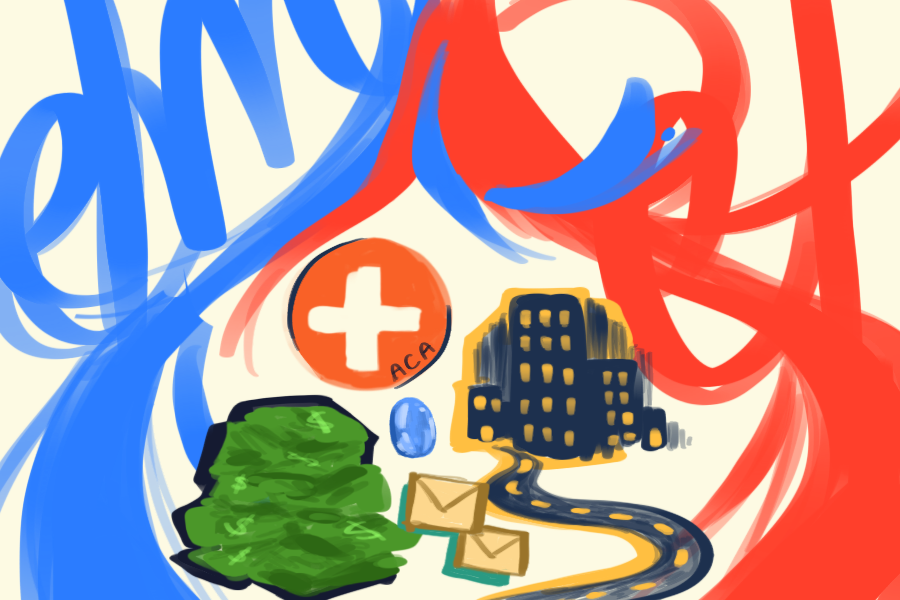
Across the United States, support systems for people with disabilities remain chronically underfunded, made even worse by the One Big Beautiful Bill Act signed last year, which is expected to drastically cut spending on Medicaid over the next decade. Nearly 7 million public school students rely on special education services, but schools constantly struggle to fund special education because they don’t receive the promised federal support. When the Individuals with Disabilities Education Act (IDEA) was passed in 1975, Congress committed to covering 40% of the cost of special education, but today, the federal share is now less than 12%. As a result, these programs frequently face staff shortages and limited access to specialists, meaning students might not receive the individualized support they need to help them succeed. Moreover, the cuts to Medicaid funding set to go into effect after the 2026 midterm elections will greatly affect many of the social service programs that support people with disabilities. These programs include housing assistance, job training, and healthcare services, and without sufficient funding for these programs, millions of people would not be able to easily access the resources they need to thrive.
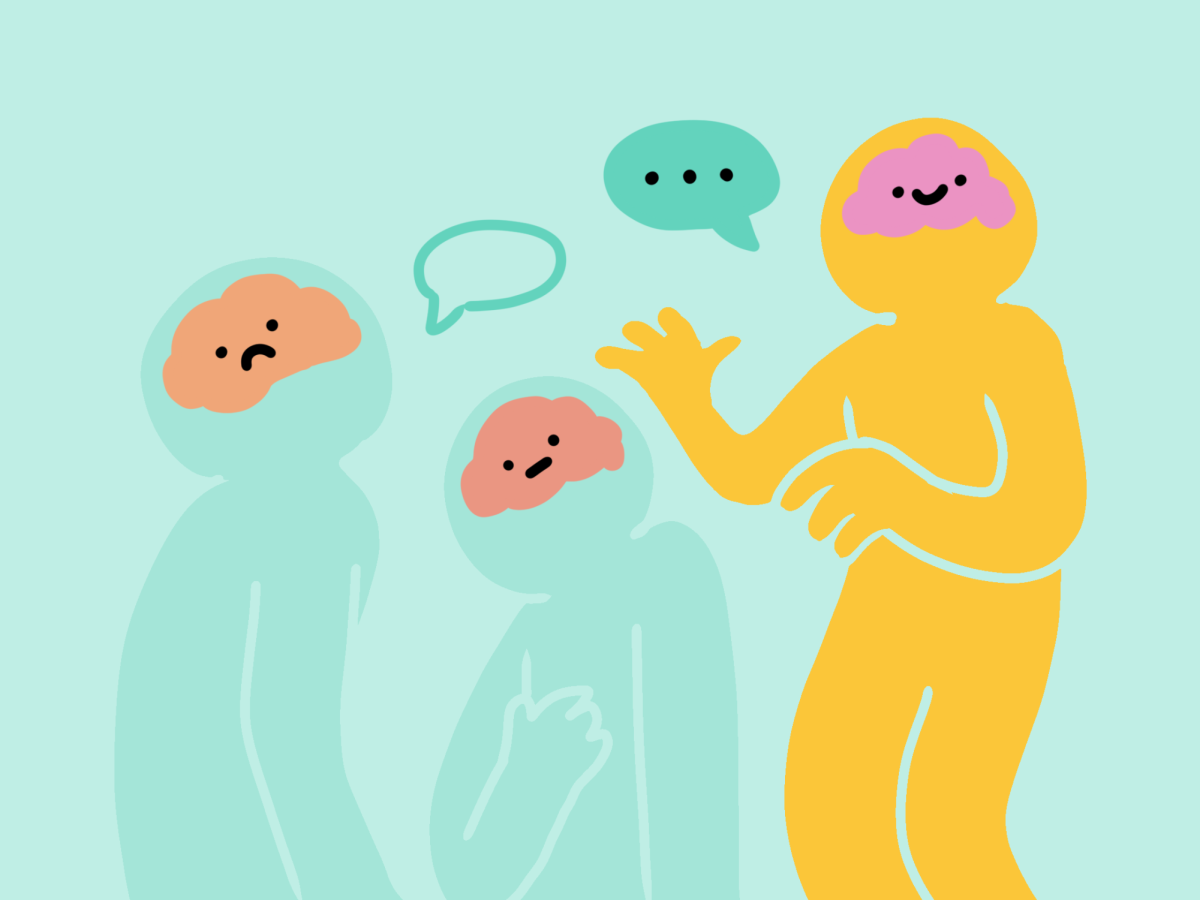
People who are neurodivergent also struggle in the systems built around a set idea of what is “normal”, as they are pushed to the margins for not fitting that definition. Many students with neurodivergent conditions, such as autism and ADHD, tend to struggle in school because they are forced to learn in a standardized system, when what they really need to succeed is a system that can adapt to their individual needs. To start, society has to recognize that neurodiversity encompasses a wide range of experiences and abilities, and what works well for one person may not work for another. The problem is not that these students can’t learn; it is that the system is not designed to teach them effectively. Additionally, neurodivergent adults face much higher unemployment rates than the general population. Studies estimate that 30–40% of neurodivergent adults are unemployed, and even in the workplace, accommodations, like flexible schedules or alternative communication methods, are still seen by some employers as burdens rather than as basic equity. It is important to remember that these differences should not be viewed as impairments, but simply as variations in the way peoples’ brains work. With over 15% of the global population being neurodivergent, society as a whole needs to recognize the changes needed to move toward true inclusion for these diverse perspectives, where differences are not just accepted but valued.
Throughout history, there’s been dozens of words used to classify disabled people. These include “spastic”, “lunatick”, “invalid”, “lame”, “cripple”, “moron”, “imbecile”, “mental defective”, and “idiot.” Recognizing a common theme? All these words today are used as casual insults—and most don’t even recognize their origins. Today, modern day classifications of disabilities are also following suit. The words “special ed” and “autistic” are now surfacing on high school campuses as affronts for fellow students. This pattern cannot persist or else the medical world will continue to run on the “euphemism treadmill”. Meaning that clinical terms will continue to join the plethora of trendy medical vernacular and will then become replaced by more respectful terms, eventually maturing into a new stigmatized term. Even disorders such as Obsessive Compulsive Disorder (OCD) no longer reflect the disorder’s symptoms—as people tend to use the word when describing themselves as a tidy person. This, in turn, renders the disorder as less serious, and reduces it to a simple stereotype or quirk. Officially diagnosed people with such trivialized disorders now struggle to obtain the help they need without feeling minimized or degraded.
In order to initiate change to get rid of the barriers faced by people with disabilities, we first have to listen to their voices and experiences to be able to understand their needs. Too often, policies are created without their input, leading to solutions that don’t fully address real needs, but to build an accessible and inclusive society, learning directly from their experiences can lead to developing more effective and equitable systems. If we as a society take intentional action to challenge the systems that exclude so many people, we can move past the barriers and stigma to bring about equity for all.