




























































































“It’s lights out and away we go!” This catchphrase, signaling the start of a Formula One race, has become iconic among fans. It fuels excitement for the upcoming action, whether it’s fans cheering on their favorite drivers as they attempt a risky overtake or two cars neck and neck as they cross the finish line. But what is Formula One?
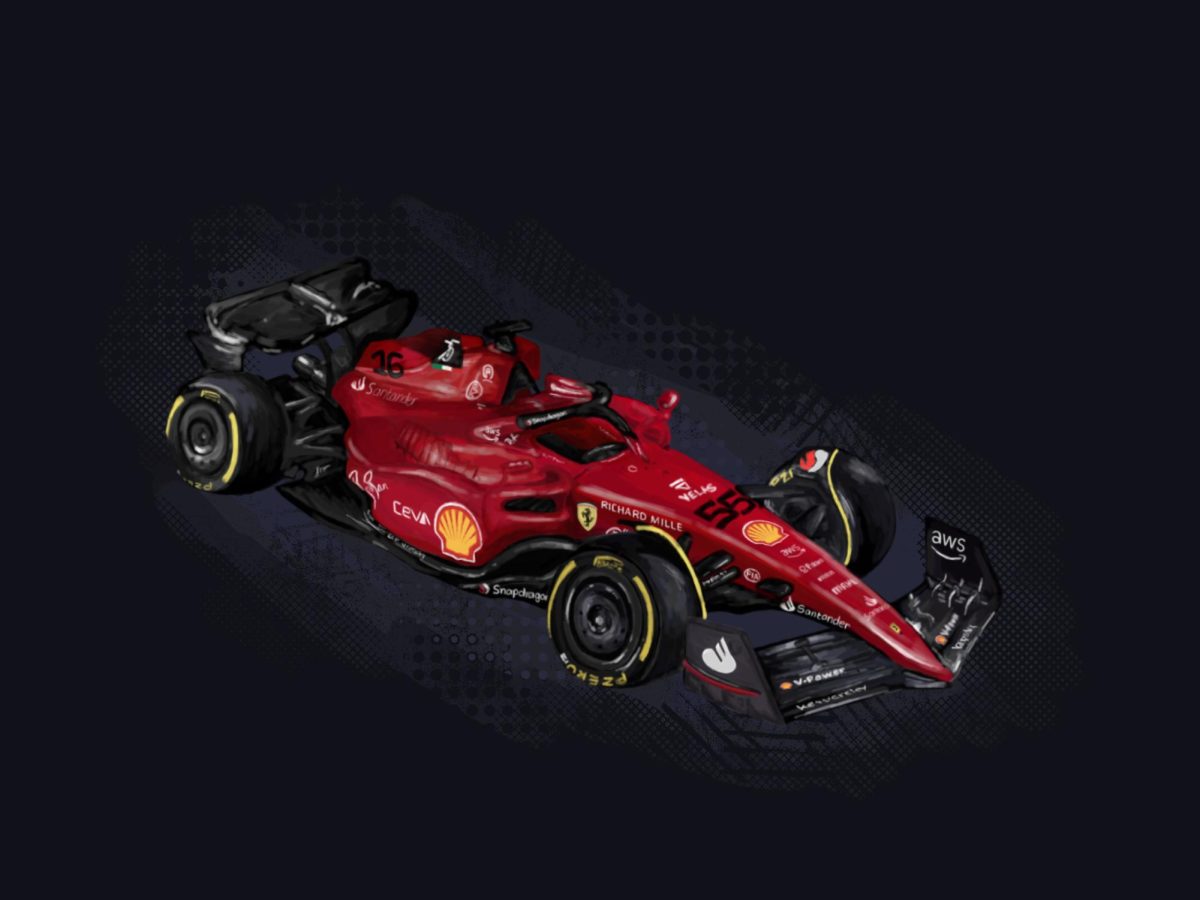
Formula One (F1) started in 1950 and has grown to be one of the most popular motorsports in the world. The cars reach over 230 miles per hour, are extremely lightweight, and cost about $15–20 million to build. F1 is a large business and has many big name brands, such as Mercedes, McLaren, Red Bull, and Ferrari. There are a total of two drivers per team and currently 11 teams total.
Interest in F1 has grown tremendously in recent years, with viewership in the US tripling since 2018 with three out of 24 of the races being held in the US. This increased interest is likely due to the popularity of the Netflix documentary Drive to Survive and the fictional film, F1: The Movie, which both feature the exciting high-speed racing, as well as the glamour and prestige of the races, while offering viewers a deeper connection to the drivers and teams themselves.
This season, F1 has introduced new regulations that have already proven quite controversial. The purpose of these changes is to make F1 more sustainable, to attract manufacturers, and to increase action. One specific change includes the new active aerodynamics. This change will help reduce drag on the straights to make the cars lighter and smaller so they can travel more closely behind other cars, cut corners quicker, and be faster on the straights.
However, the regulations are controversial due to safety concerns. Some drivers are sustaining nerve damage to their hands due to the high frequency vibrations coming from their power unit and others are getting into severe crashes. Specifically, in the last race, Haas driver Oliver Bearman spun out and hit the wall at fifty Gs, which is the equivalent of feeling an elephant standing on your chest. He lost control due to the immensely reduced size of the cars. What initially allowed him to follow closely behind another driver, ultimately made him lose control of his car and run straight into the barrier when going for an overtake.
Overall, F1 as a sport has become increasingly popular and much more interesting these past few years. The new documentaries and movies about F1 have been particularly beneficial for the sport, and the new regulations should make things very interesting in coming years. The sport’s rise and growth is definitely one to look out for and follow!