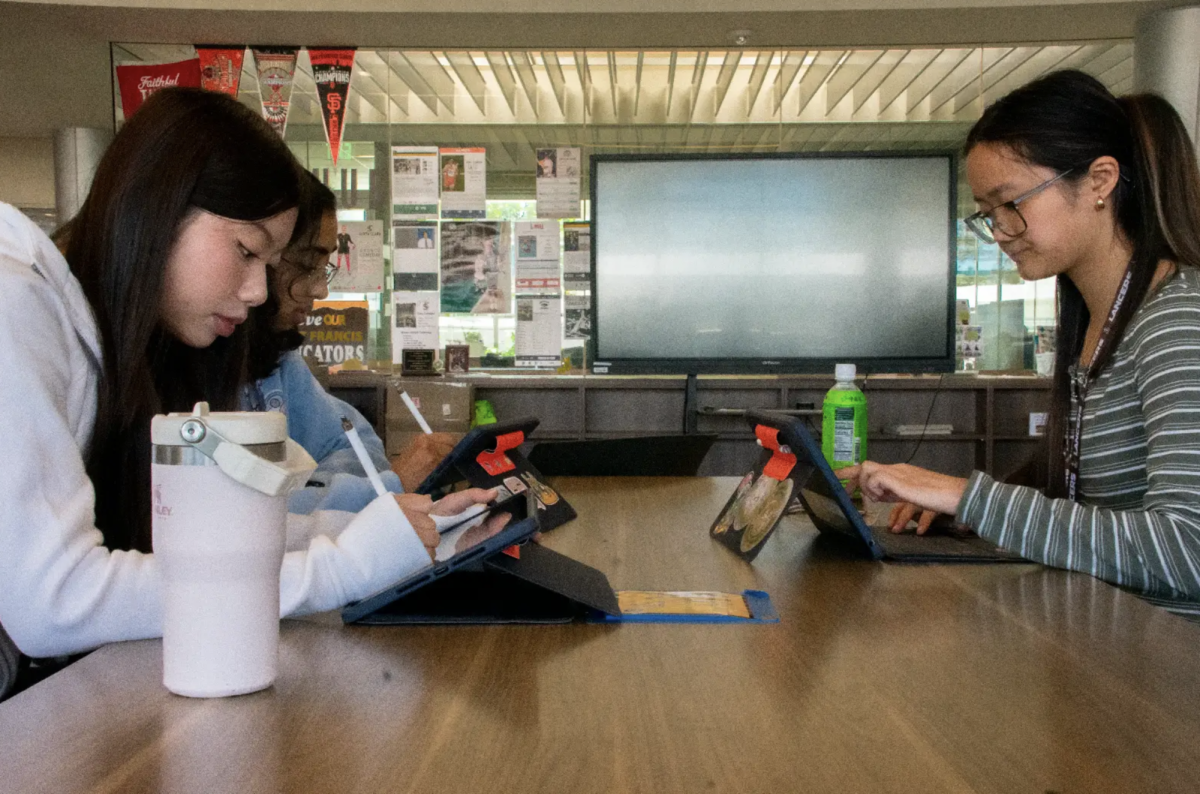












































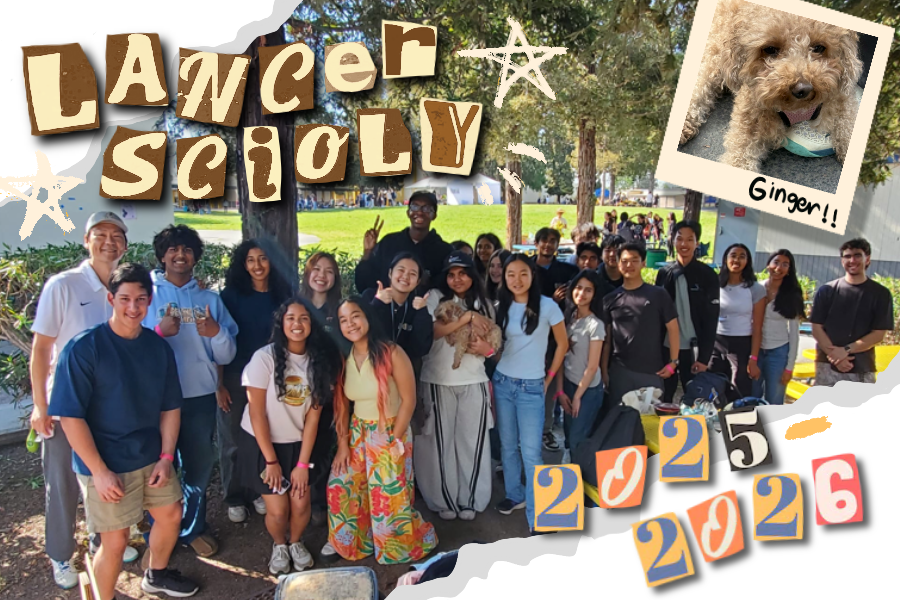
The room falls silent in anticipation, then quickly erupts into cheers and excitement. These moments, along with weekend afternoons spent listening to the nine-hour long team playlist, meetings sharing Nerds Gummy Clusters, and lock-in periods preparing for events, are what define the Lancer Science Olympiad (LSO) experience. This year, LSO’s efforts have paid off immensely, breaking club records for medals and placements, and making this the most successful season the team has ever seen.
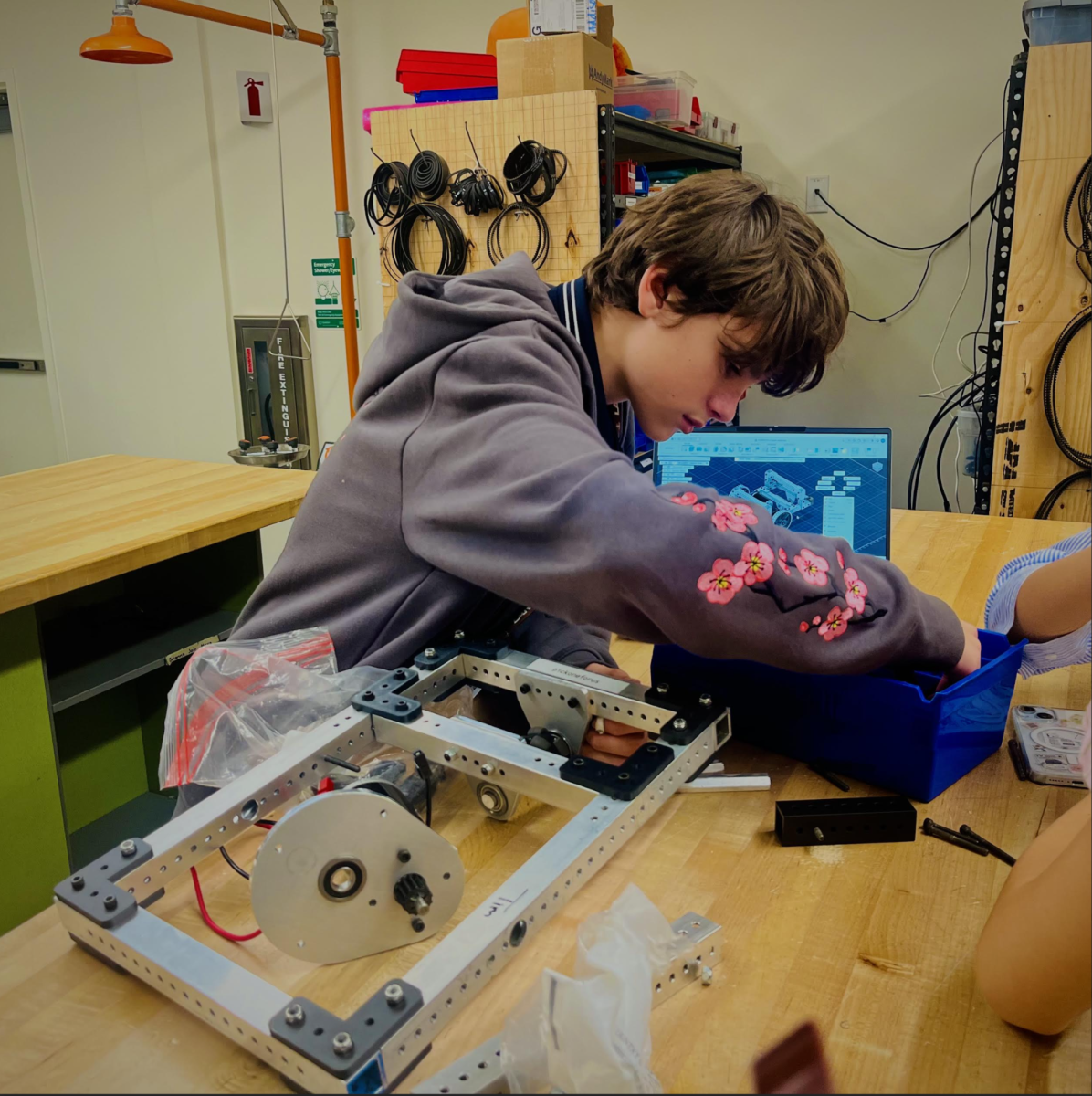
Science Olympiad is a competition where teams of 15 students compete across 23 events, focusing on a wide range of topics and projects. These include topics from the three fundamental sciences such as designer genes, to engineering projects such as electric vehicle and helicopter, to hands-down events such as chemistry lab or forensics, and to other branches of science such as entomology and rocks and minerals.
The LSO team was established in 2018 with two competing teams: Saint Francis Brown, the varsity squad, and Saint Francis Gold, the junior varsity squad.
While the team had seen some great success in events prior to 2024, they greatly improved in the 2024-2025 season, where the team achieved a grand total of 11 medals (events placing top six in a tournament), the highest in LSO’s history. Kunal Peela (’27), a board member for LSO, noted that the team was inspired by their improved performance in the previous year, leading to the board implementing new changes on planning and studying for events with the ultimate goal of reaching the state tournament.
To achieve this goal, one of the changes made was the increase in participation in satellite tournaments, where students participated in tournaments online, helped identify problems, and developed key improvements and skills. Christine Gatus (’27), who joined LSO this year, said, “Especially as someone new to Science Olympiad, they’re good to get a feel for what events actually look like in competitions. They helped a lot with seeing what information was missing from our binders as well.”
Not only did the club experience change in terms of logistics and development, but more time to practice and work on events also contributed to this season’s immense success. Students had to learn different skills in order to improve in their event; some of which include identification, coordination, and practice with teammates to efficiently utilize materials and resources. Gatus noted, “More meetings other than just our usual Wednesday ones are a big help, since you’re working with your own schedule plus those of your partners across your other events. Scheduling issues tend to be inevitable, so it’s nice to have more options.”
This year, LSO competed in a total of eight tournaments, allowing students the opportunity to explore different high school campuses and colleges. Nanditha Venkatasubramanian (’27) recalled that she enjoyed visiting Stanford University for the Golden Gate Science Olympiad invitational tournament (GGSO) due to the comfortable atmosphere, its proximity to downtown Los Altos, and the campus: “The places where they did the awards are really nice, such as the church for GGSO, and it was really nice to explore the campus,” Venkatasubramanian said.
In the end, with the conclusion of the Santa Clara regionals competition, LSO achieved a total of 26 medals this season—the highest in their history—with the highest placement being eighth place at Stanford Invitational and 12th place at the Santa Clara regionals, placing Saint Francis in the top seven schools in Santa Clara. With these new changes and huge accomplishments, the Lancer Science Olympiad has seen immense improvements and success in this year’s season—a great recognition of their dedication, resilience, and hard work.