




















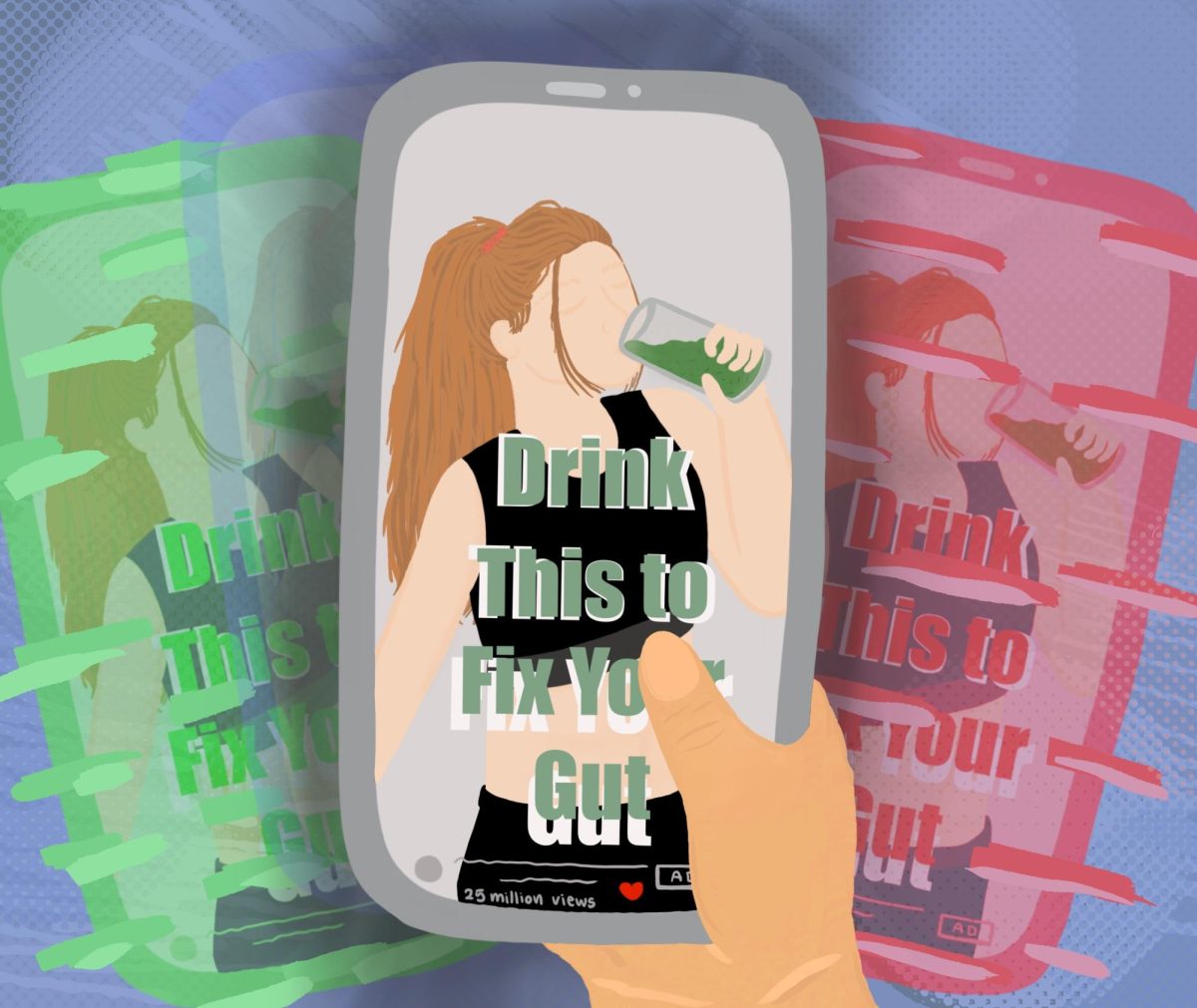












































Anyone who has been on social media or TikTok lately has definitely come across videos centered around the gut health trend. As of now, it’s hard to escape videos of people telling their stories about how eating certain food helps with reducing bloating and cleansing your gut. Kombucha, olive oil shots, collagen powder, and apple cider vinegar drinks are a few of the mentioned “cure-all” remedies for “healing” your gut.
Whenever you search up “gut health” on TikTok or any social media platform, you will be met with millions of videos claiming to have solutions for constant bloating. All these videos promote the idea that eating a certain food will allow you to have the healthiest gut ever; however, the lack of scientific evidence behind these so-called “cures” makes it difficult to determine if they are actually beneficial or secretly harmful. It’s always important to educate yourself before blindly following strangers on the internet for health advice. “I do my own research so even if I see prebiotics, even if I’m interested in it, I’ll still do my own research. I look at other reviews that could differ from the opinions of the advertisers,” freshman Manasi Rajesh said.
According to gastroenterologist Dr. Allison Wood, food already has natural probiotics and fibers that, when eaten, correct the ratios of bacteria in your gut. Thus, a balanced diet is enough to create a healthy gut. Taking supplements such as probiotics isn’t a long-term solution for gut health and could actually be misleading and harmful. “I’ve seen people advertising supplements on social media but I don’t really know the specific ones,” freshman Inchara Nagaraju said.
Juice cleanses have become an especially popular solution for “gut resets.” This idea of hitting a quick reset on your gut health from the comfort of your home is really convenient. However, it isn’t as effective as one would think. According to the Los Angeles Times, juice cleanses are usually low in fiber and protein. They might temporarily help with bloating, but over time, can actually shrink the variety of bacteria living in your gut. Social media makes it seem like this is the best way to solve all your gut-related issues without actually revealing how harmful it could be. “I definitely think social media influences a lot of our choices. I have never tried anything in the gut-cleanse sense but I definitely do try some of the salads or desserts that I see on social media,” Nagaraju said.
According to a clinical trial by the Stanford School of Medicine, researchers found that fibrous foods increase microbiome function, especially when eaten with fermented foods. When the bacteria in your gut ferments fiber, they release fatty acids that nourish colon cells and provide energy. In addition, eating fibrous foods also helps with protecting the gut’s inner lining. The gut lining acts as a critical barrier that separates your internal body from toxins and bacteria and prevents “leaky gut.” When intact, the lining prevents increased inflammation, autoimmune conditions, and fatigue. A lack of fiber can ruin the mucus layer that lines the gut.
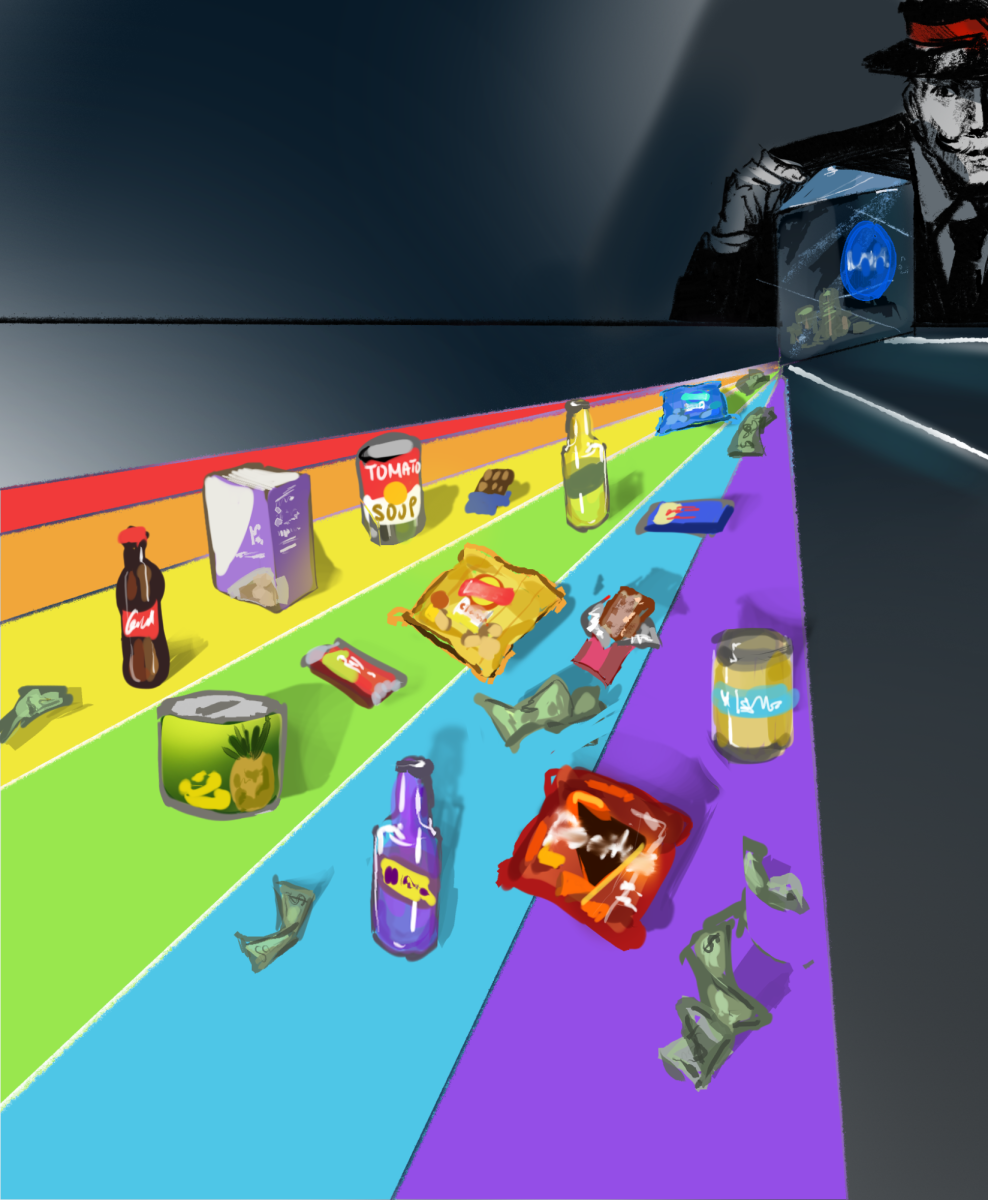
As health advice on social media platforms like TikTok and Instagram rises, so does misinformation and propaganda. Influencers promote restrictive diets, expensive supplements, and short-term solutions without a medical license, encouraging viewers to treat gut health as a trend rather than an important part of overall health. According to the Los Angeles Times, a gut-friendly routine includes thirty grams of protein in the morning, thirty grams of fiber throughout the day and three probiotic foods everyday. Unlike what influencers online say, no complicated supplements or pricey powders are required—just a balanced diet that fuels the good gut that bacteria love.

Pavani • Apr 24, 2026 at 8:15 pm
Awesome! Great job Siri
ria • Apr 24, 2026 at 10:07 am
omg right this is sooo good
Uma • Apr 24, 2026 at 10:05 am
Omg Siri, this is so amazing.