


































































































Over the past few years, coverage around the usage of GLP-1 receptor agonist (GLP-1RA) medications like Ozempic has skyrocketed. Although first approved by the FDA in 2005 for individuals with Type 2 diabetes, these medications did not become popular for nearly two decades. The expansion of GLP-1RAs as weight-loss medications, aided by extensive celebrity endorsement, made them incredibly popular.
While these medications are valuable, they have negative side effects. The most common side effects are gastrointestinal distress or muscle loss, which are results of the key mechanism behind these medications: mimicking a hormone that regulates appetite. GLP-1RAs trick the central nervous system to feel full for longer after eating by slowing the process of food leaving the stomach, which has various gastrointestinal consequences. Furthermore, dramatically decreasing how much one eats may also lead to lean muscle loss. But what if there was a way to reap the benefits of weight loss through a means other than appetite suppression?
A potential treatment is the Mitochondrial carrier homolog 2 protein, called “MTCH2” or even “Mitch” for short. Since the early 2000s, researchers such as Professor Atan Gross at the Weizmann Institute of Science have investigated this protein for its role in mitochondrial function and programmed cell death. Initial experiments focused on Mitch’s implications in the treatment of cancer and neurodegenerative diseases by regulating the energy given to certain cells’ mitochondria. However, this wasn’t the only treatment that Mitch was capable of influencing.
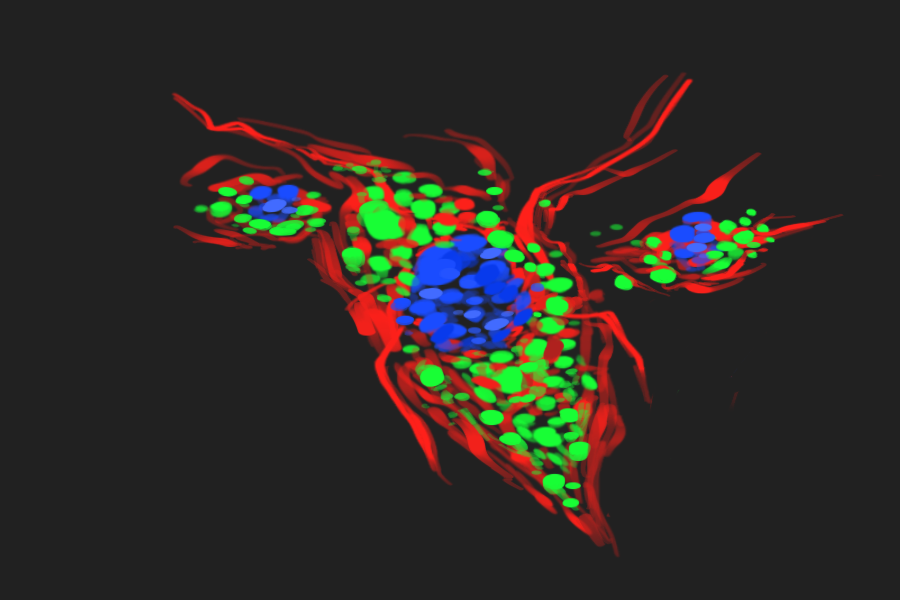
In a 2025 study of mice, Professor Gross’s team reduced Mitch’s activity and found that the mice had higher metabolisms, leaner physiques, and even greater endurance than their non-mutated counterparts. These findings suggested that Mitch could influence the body’s energy usage and fat storage. From there, Gross and his colleagues began testing the effects of removing Mitch from lab-grown human cells. Doing so increased the rate of cellular respiration, which meant that more calories were used. Furthermore, since the cells were occupied by consuming fuel, they did not have enough leftover energy needed to build more fat cells for storage. When new fat cells are created, they are not destroyed in the process of weight loss: on the contrary, they still send hunger signals to the rest of the body and make weight loss especially difficult. Consequently, preventing their formation helps weight loss become more manageable.
While GLP-1RAs target appetite and digestion processes, a weight-loss approach based on Mitch addresses the underlying metabolic pathways involved in obesity. However, there are still significant unknown factors when it comes to this potential advancement. So far, studies have focused on mice rather than humans, and the impact on the entire body from removing the protein is not clear. Additionally, preventing new fat cells from forming is not always a good thing; fat can be redirected into organs and hormone production may be disrupted. For now, Mitch remains an intriguing prospect rather than a definitive cure. Nevertheless, it emphasizes that understanding how cells regulate and manufacture energy has the exciting possibility to open up new treatments for metabolic disorders.