













































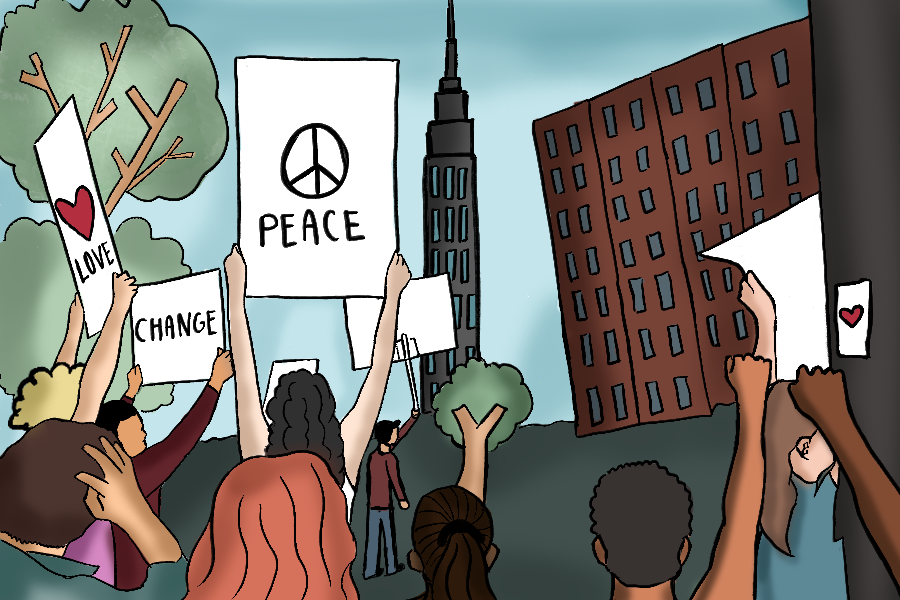




































Currently, students are taking to the streets of France rather than attending school, demanding improvement of their education system. The government has been failing the younger generation, forcing them to undergo the physical collapse of their classrooms and face unequal opportunities in higher education.
It is unacceptable that the government had students working in classrooms that are water damaged, infested with vermin, overcrowded, moldy, or without a teacher. Alongside these issues, higher prices for fuel, overall cost of living, and recurring systemic inequality within France’s college admissions process force students to see the government’s failing every day. Perhaps the most concerning aspect of this situation is that, as a welfare state, it is France’s legal responsibility to address these problems. In France, it is a constitutional obligation to provide a structured and safe education system, rather than treating it as an optional public service.
Young people are deeply affected by these political decisions. They stand deprived of an education and face financial problems at an early age, all while being physically harmed by teargas, batons, and stun grenades when protesting. Their concerns deserve attention; after all, they are France’s future. As the government continues to ignore their cries, the younger generations are only seeing the government as hostile and unrepresentative of its citizens.
Although the government has announced some more financial fixes and policy overhauls, these proposals are long-term adjustments rather than immediate changes. Students saw these as superficial, and, in response, expanded their strike. A few of the proposals included a four billion dollar repair loan package, a replacement of the admissions system by 2028, 15,000 new education slots, 3,000 new substitute teachers, and cost-of-living accommodations. These fixes could be beneficial, but the government cannot reasonably expect students to wait until these changes are fulfilled. Rebuilding schools and adding more teachers does not remediate the hours of lost instruction time, and students will still spend years in unsafe classrooms while new ones are being built. Announcing fixes is not establishing results. Political representation and leadership should not be evaluated by what it promises, but instead by what it accomplishes.
While these protests may finally give voice to the opinions of students, they are causing widespread disruption to everyday life in France. Strikes have caused railway networks, metro stations, and bus routes to be shut down or be rerouted. While most protests have been peaceful, some have led to the torching of vehicles, destruction of stores, and burning of public buildings. The police forces have been deployed to counteract these protests, creating a highly tense city environment. However, the most disturbing consequence is the complete disruption of learning. The closures of transportation and buildings prohibit students who desire to attend class from doing so, causing them to fall behind in their already failing educational curriculum.
France’s unrest is not just a dispute over schools, but rather a breakdown of the responsibility of a government to its citizens. France has spent too much time focusing on immediate political survival and has not invested enough time in the foundations of a society and its prime obligation to its people.