
















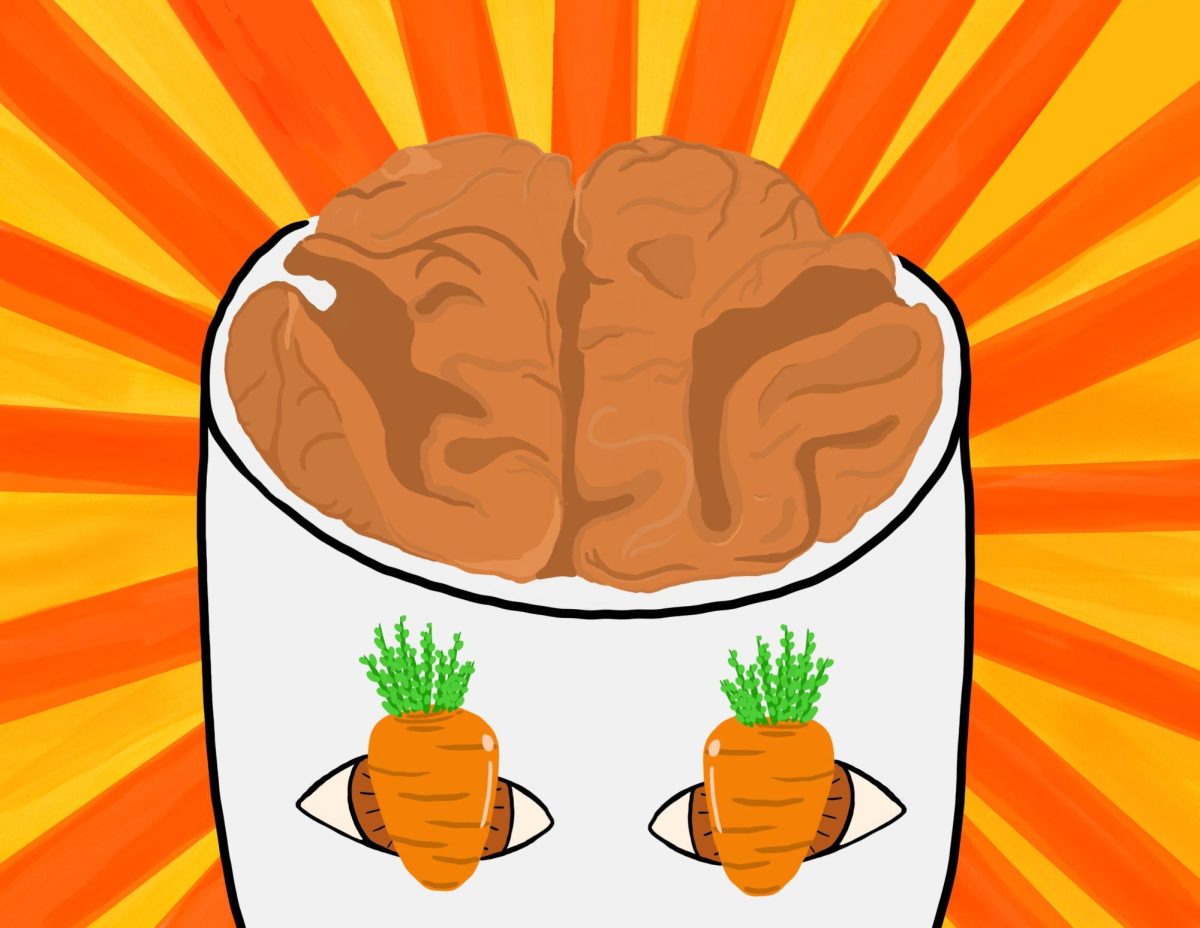









Since the advent of our species, we have been sharing stories among ourselves. Yet, lately, people have been going seemingly overboard with this love of stories, from guessing the ending of the story from only a few installments, to making a complete timeline from only a few hidden notes, to deciphering what seems like incoherent gibberish into complete poems, ready to uncover the “true story” hidden beneath. Why are audiences so obsessed with unscrambling media? Why put all the effort in? The answer’s a lot closer than you think. You know it, you love it, you literally are it—the brain.
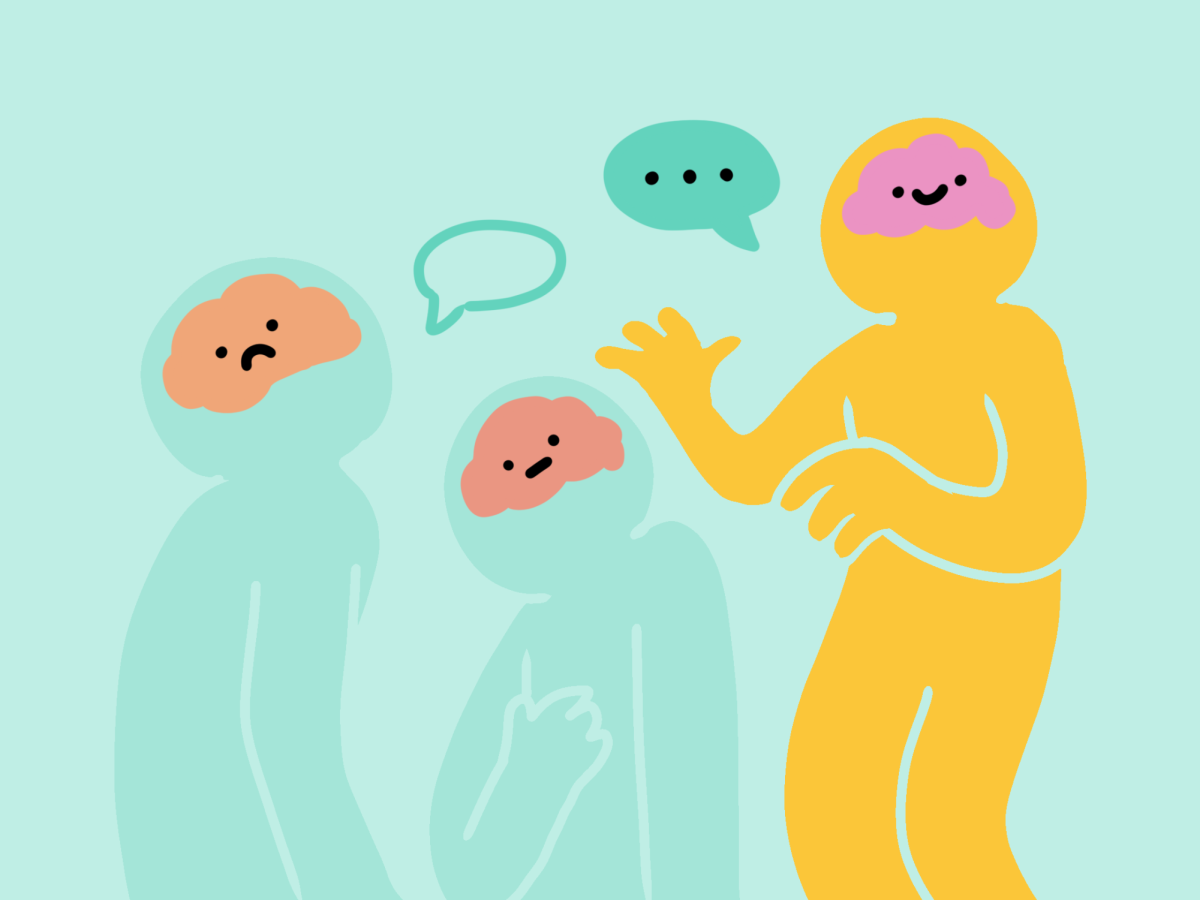
Our brain excels at organizing information into patterns. Humans are the only species capable of sorting hundreds of small pieces into a puzzle. Since we are naturally attracted to seeing the world as a controlled organization, what is unknown confuses us, and engulfs us in fear. Thus, when presented with fables that we don’t know the end of, we naturally try to find the symbolism and crack every code; all to be completely certain as we see fit.
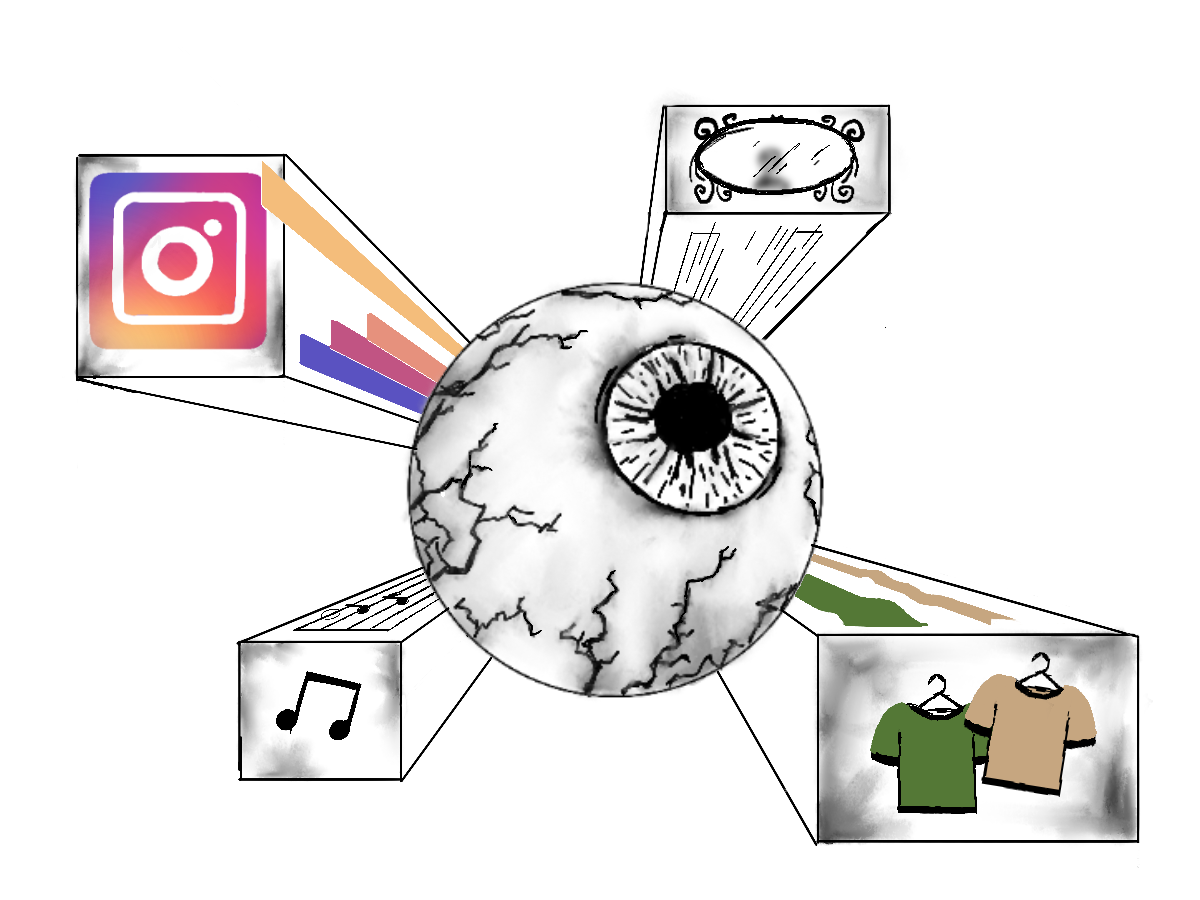
We’re all theorists on a fundamental level—but why is it only now that people unscramble shows at record speed? Simple answer: the internet. While fan communities have always been theorizing and hyperfixating, the introduction of the internet changed everything. Now, instead of one person speculating on how The Big Bang Theory would end, there are thousands, if not millions of people, decoding the end of Sheldon’s odyssey, all thanks to the interwebs.
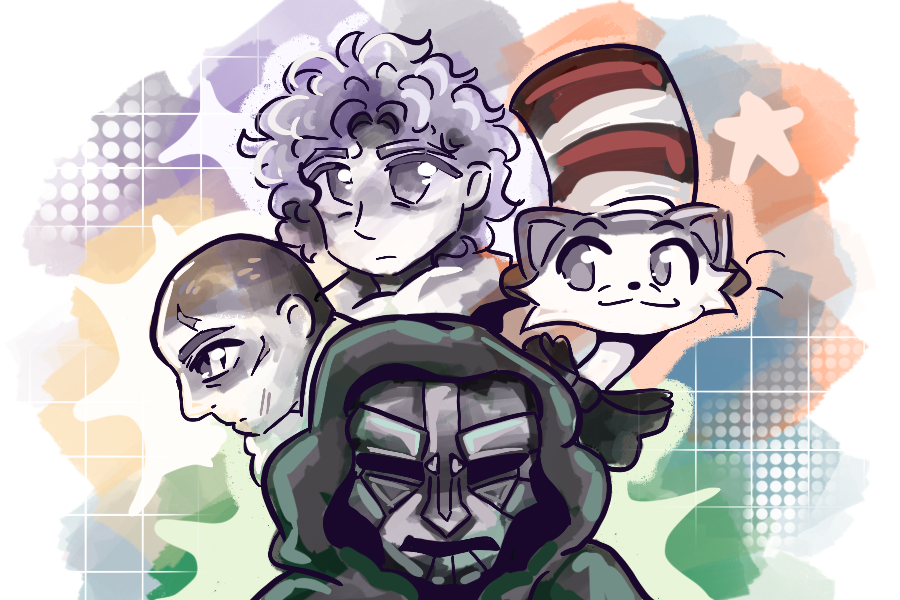
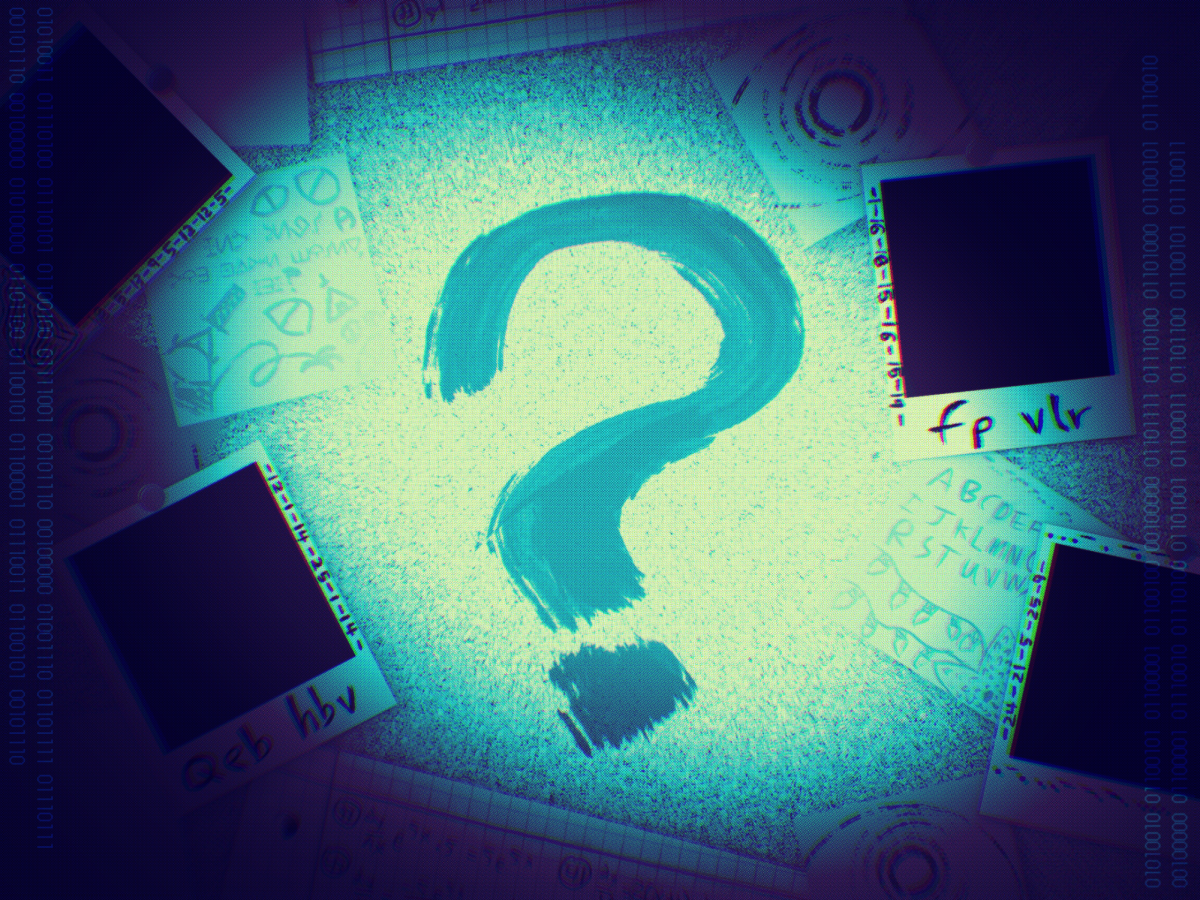
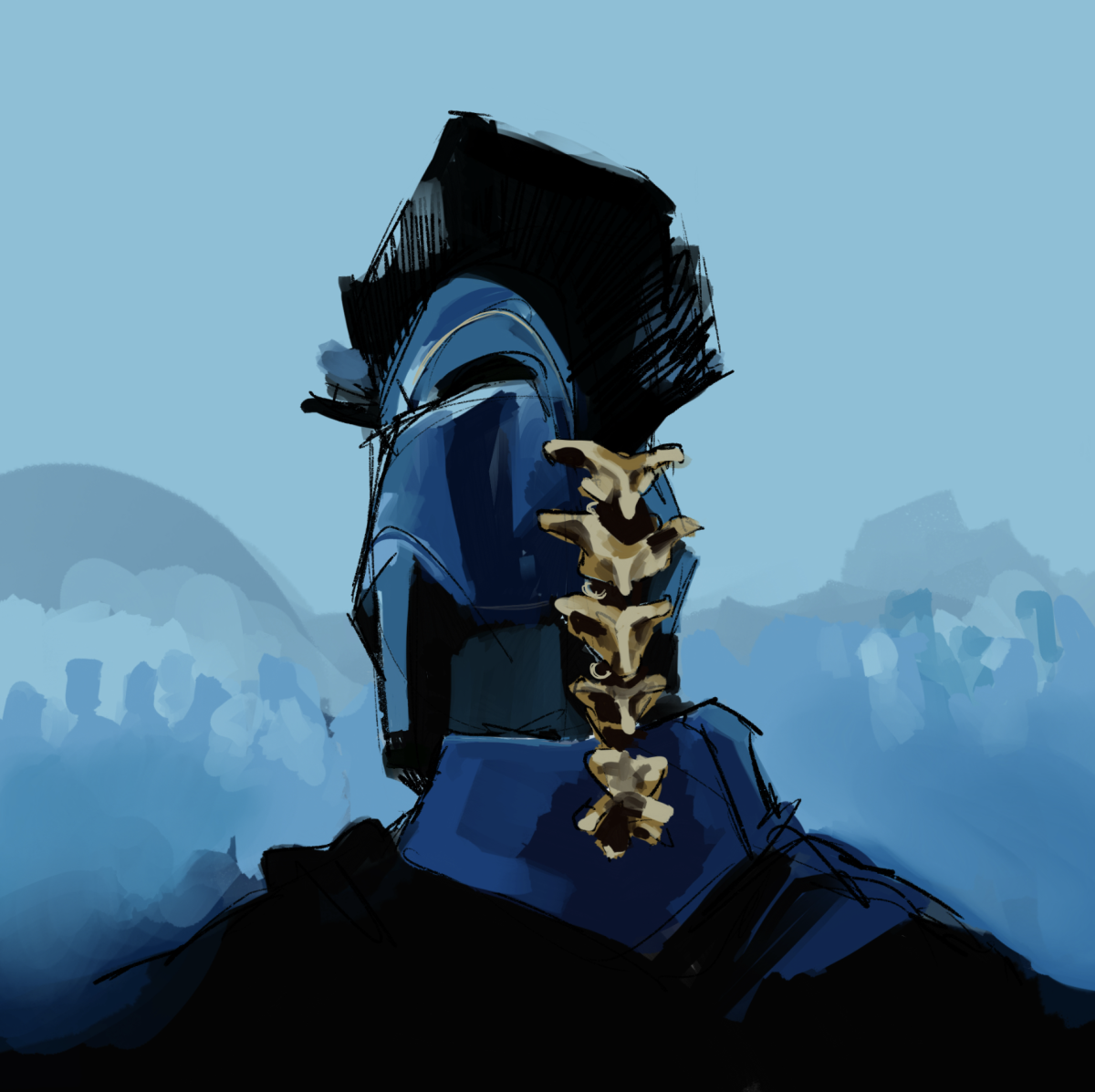
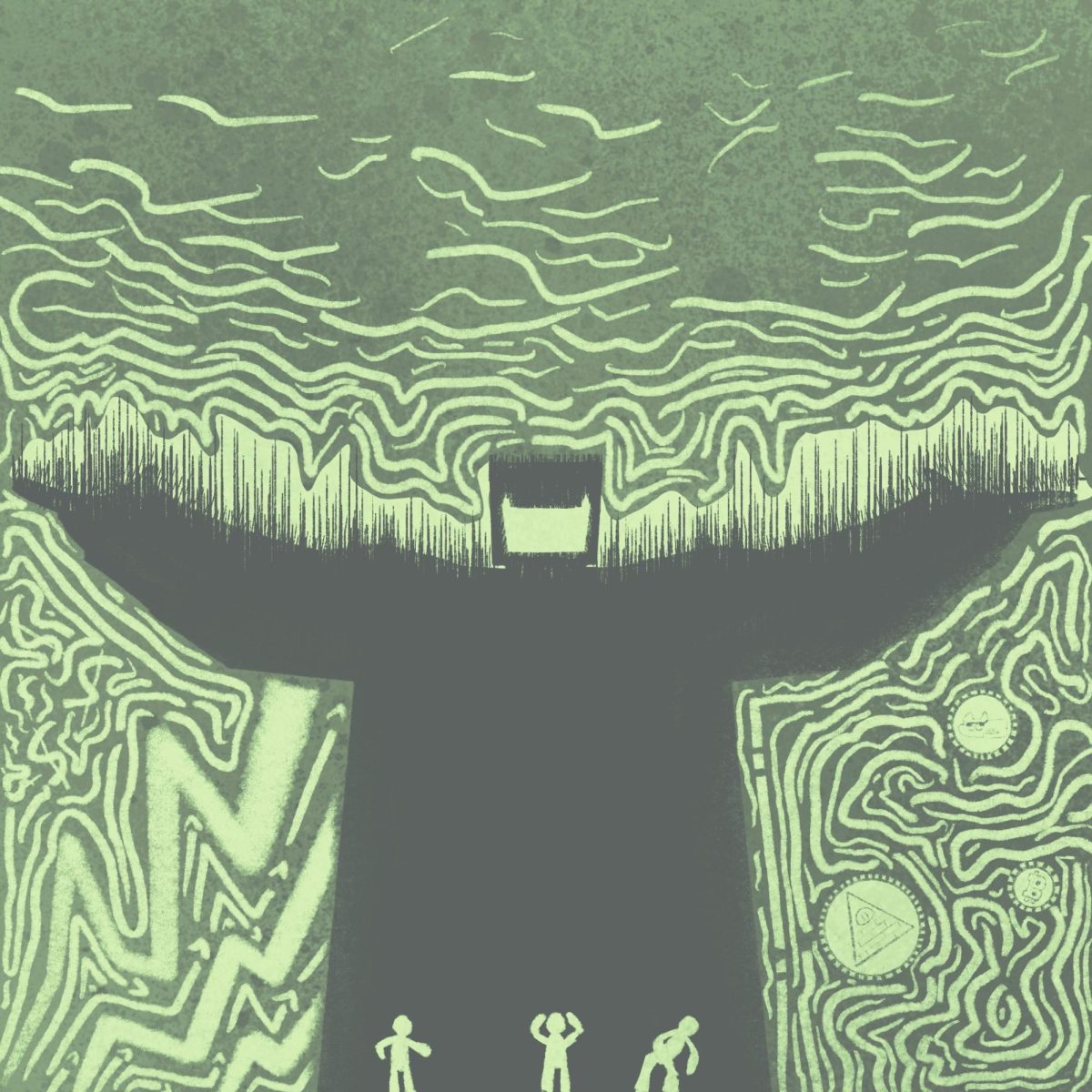
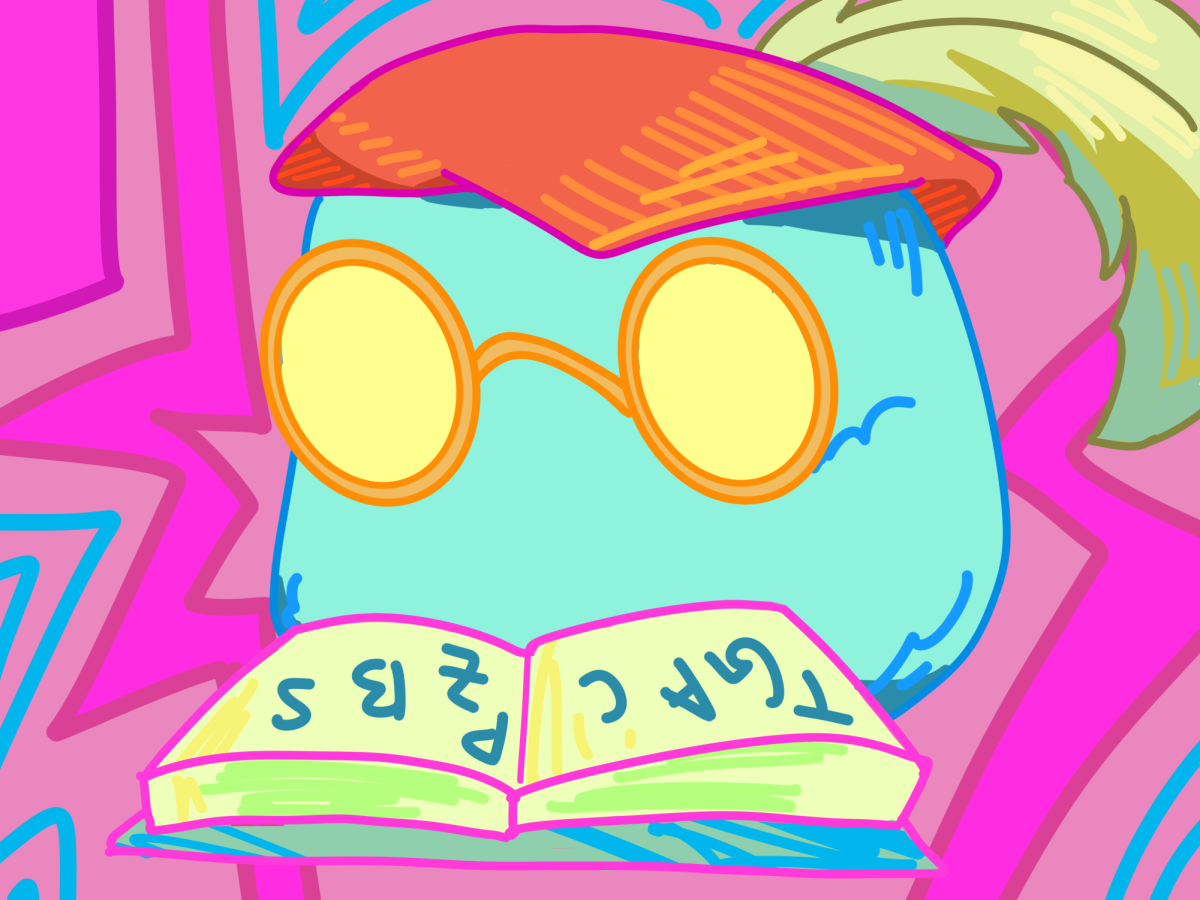
One prime example of such phenomena is a fairly unassuming show that captured a resounding response among audiences—Gravity Falls. Premiering June 2012, Gravity Falls seemed like a simple kids show: twins spend the summer at a wacky town with crazy hijinks, but the show was oozing with mystery. The triangle at the end of the intro, the ancient journal that showed up almost out of nowhere, the list goes on and on. Most importantly, at the end of the credits there was a code. Episode by episode, fans decoded the end credits using a series of ciphers: Caesar’s, atabash, and finally Vigenère. They started to look everywhere in the episodes—every dialogue, creature, and character—for the answer behind the greater mysteries at stake in the town. Within days of a new release, fans would have the entire episode dissected, every code cracked, and an eagerness for more. By the end of the series, the show had managed to attract a highly dedicated theorizing team of fans—one that was able to uncover the big twist of the entire series literally years before its fruition.
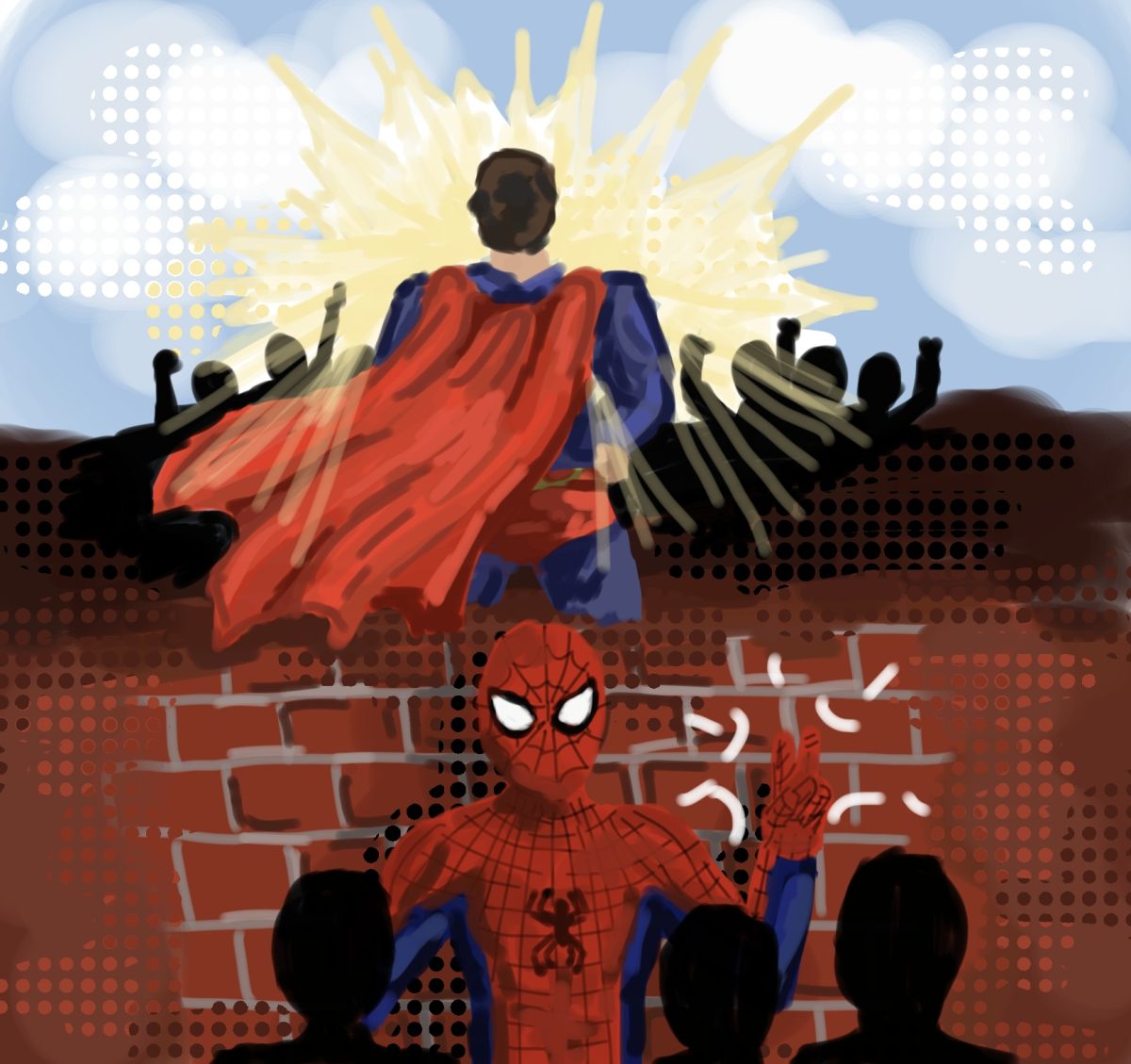
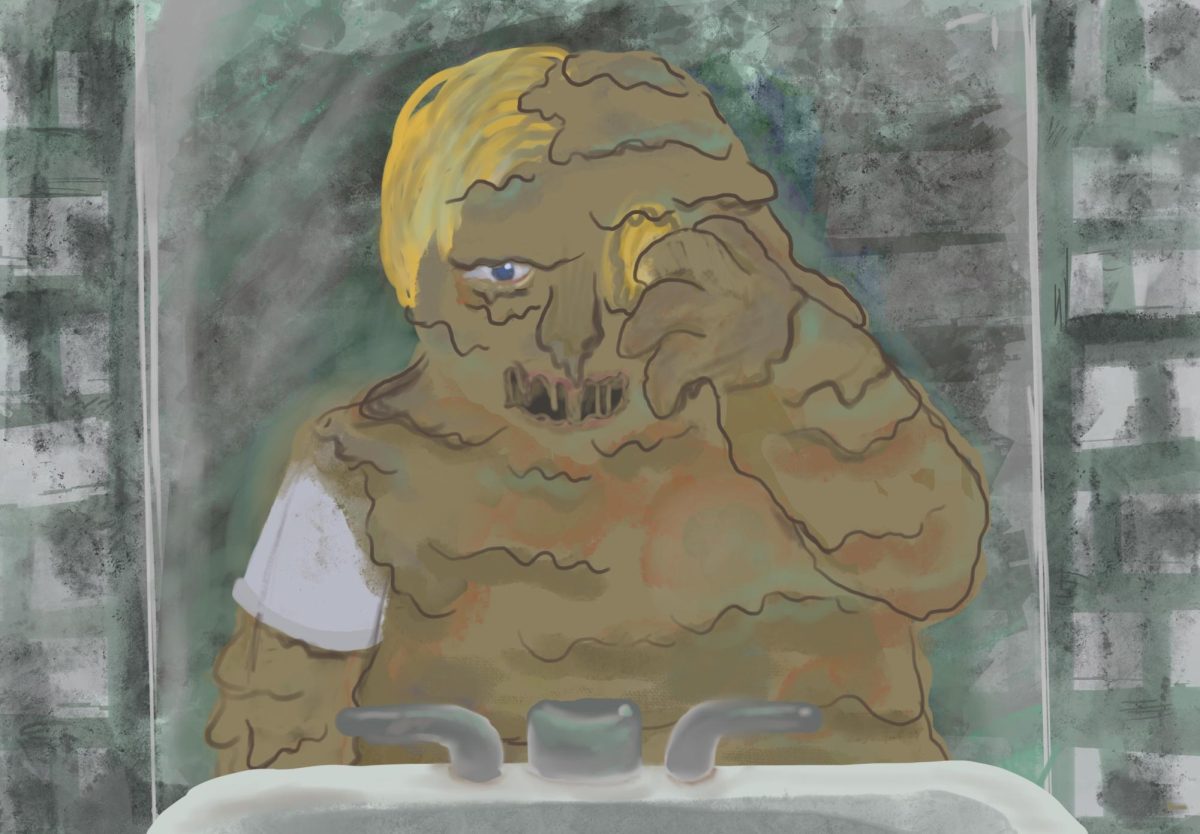
Even though media can compose some of the best story detectives possible, these detectives don’t always solve the right case. Case in point: Conformity Gate. Following the series finale of Netflix’s Stranger Things, a grand theory formed through the internet that the final episode was not the end. The show fans had been invested in from the start, the show fans had poured almost a decade’s worth of investment and hype into—it couldn’t have ended the way it did. It had to be fake. And according to the fans, there was a true answer. On platforms like Reddit, Tiktok, and Youtube, “conformity gate truthers” claimed that there was to be a secret second finale releasing onto Netflix in the coming weeks. A collective hallucination swept the internet, resulting ultimately in nothing. In the end, there was no secret finale, only one horribly lackluster episode to conclude a dismal final season.
Regardless of the final result, fans still love speculating on their favorite stories. In the end, it’s not about whether the theory is right—it’s about the journey. The act of theorizing brings people together, creating a found family of sorts, with every member working in tandem to uncover the secrets to their favorite pieces of media. In this rather hopeless age of the modern internet—especially one filled with uncertainty due to AI and the fear of a “dead internet”—it’s comforting to know that people still gather together around stories.