

















































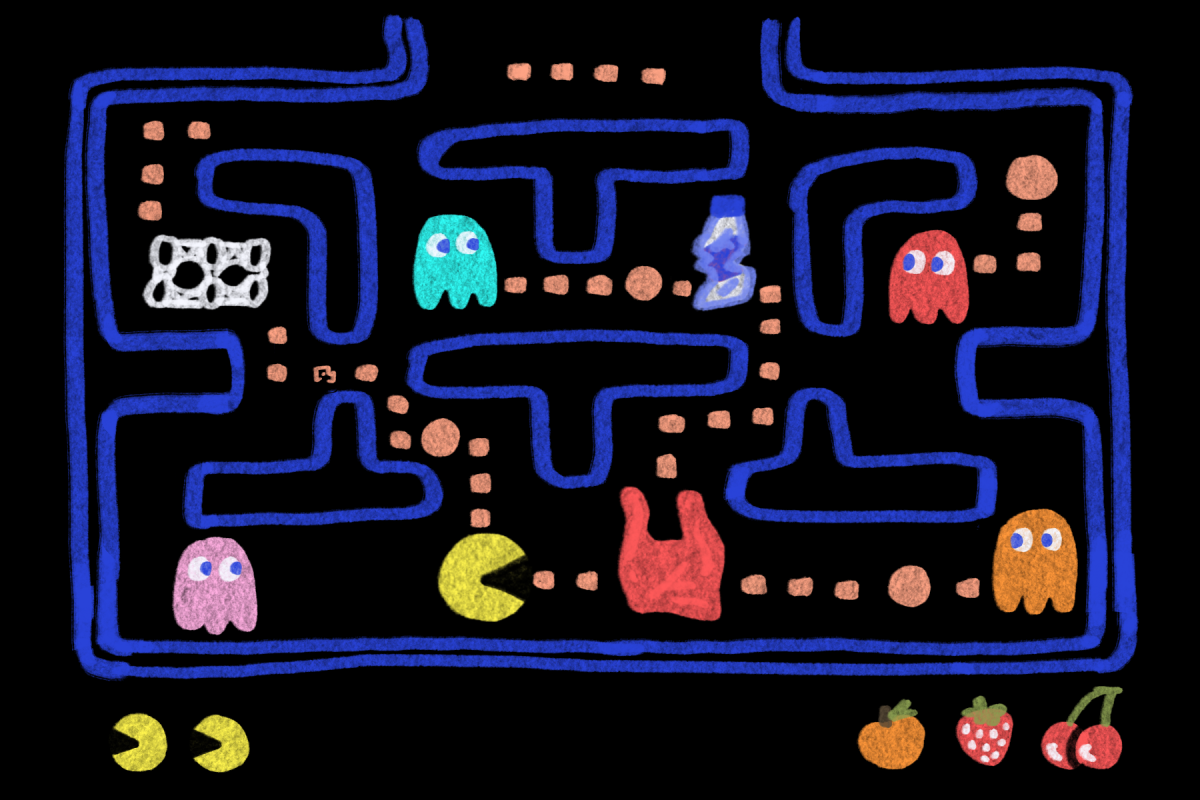




























Do you remember the last time you played Pac-Man? Whether it was at an arcade or just on your home computer, we’re all familiar with that nostalgic, circular yellow character chomping its way through a fantastical maze to get more coins. What if I told you that you can find these Pac-Men in the real world, except as enzymes?
Scientists from the University of Konstanz in Germany have found these Pac-Man enzymes in the forest soil of the university’s botanical garden. This enzyme specializes in digesting specific polyesters and biodegradable plastics. By breaking down these plastics, these enzymes may be able to help solve the pressing issue of plastic pollution.
Plastic pollution is the buildup of synthetic plastic particles and objects which harm the Earth’s environment, wildlife, and human health. According to National Geographic, the world produces over 460 million metric tons of plastic annually, most of which are non-reusable items like grocery bags, bottles, takeout containers, and straws. It wasn’t until the 2000s that the world started using more eco-friendly materials after realizing the amount of environmental harm that plastic causes. Nowadays, there are many products that are made out of alternative biodegradable plastics in order to help preserve the Earth and limit pollution.
Scientists planned these biodegradable plastics not to solve the problem of plastic pollution from the past, but rather to create a solution for the future. This solution deliberately changed their manufacturing processes and materials to match what enzymes like the “Pac-Man enzyme” are able to digest. To accommodate this plan, more biodegradable materials have to be produced.
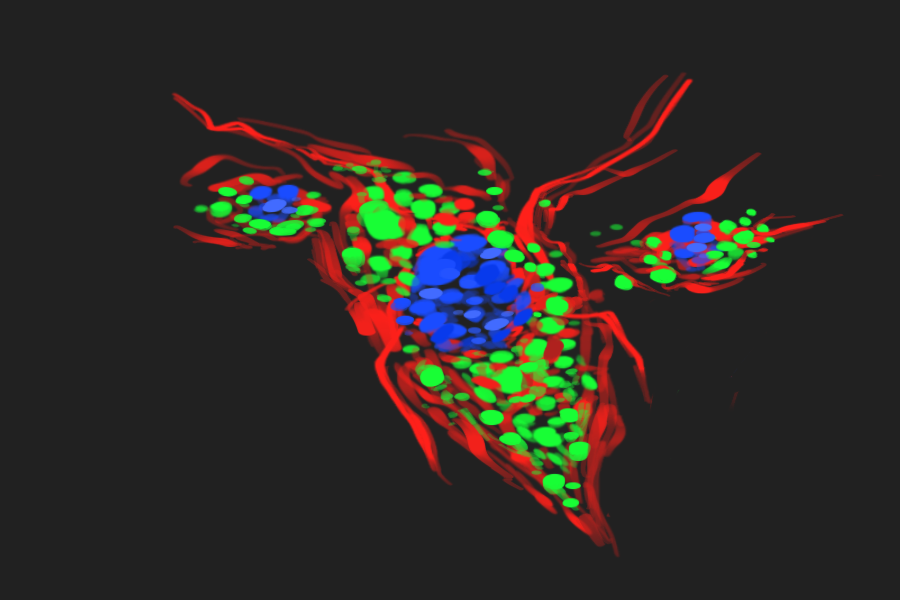
Before discovering this enzyme, researchers at the university buried small pieces of long-chain aliphatic polyester (LCAP) film a few centimeters deep into the soil of their botanical garden. After monitoring the samples over the course of a year, they found tiny holes in the film shaped exactly like an individual bacteria cell, proving that the material was digested. After the team extracted DNA from the soil and sequenced the genetic material, they found that there was one highlighted gene abundant in the soil samples containing LCAP. The gene for an esterase enzyme had a secretion signal, pushing it outside the cell. However, the gene also codes for a lipid anchor to keep the enzyme stuck to the outside of the cell, allowing it to attack the bioplastic.
After analyzing the enzyme more, they found its active site forming a very familiar, open-mouthed wedge, giving it its name: the Pac-Man enzyme. Other than its ability to digest bioplastics, researchers also discovered that the enzyme can break down penicillin, leading scientists to infer that it may be immune to antibiotics. However, that ability also poses the threat that the enzyme may disarm the medicines we create to fight off infections. Also, since bacteria frequently swap DNA with each other, it’s possible that a soil bacterium with the Pac-Man enzyme could swap its DNA with a dangerous bacterium. That harmful bacterium will then become resistant and untreatable.
Despite its microscopic size, the Pac-Man enzyme possesses the incredible ability to shape the entire future of the Earth. The discovery of this enzyme forms a potential plan for the future to create more eco-friendly products that can work with these enzymes rather than focusing just on the plastics from the past. For now, we will observe these enzymes eat away at the plastics—just like how Pac-Man eats away at the coins as you play at the arcade!