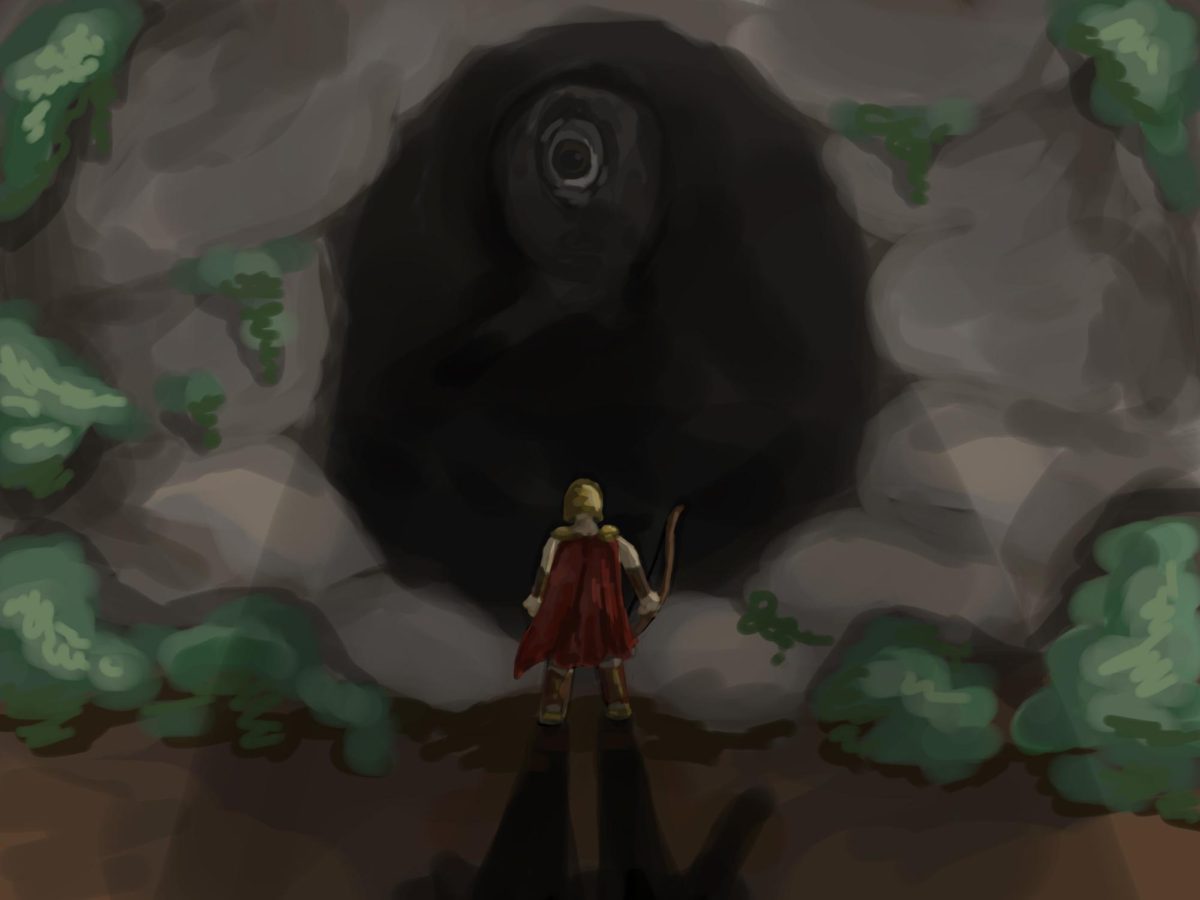





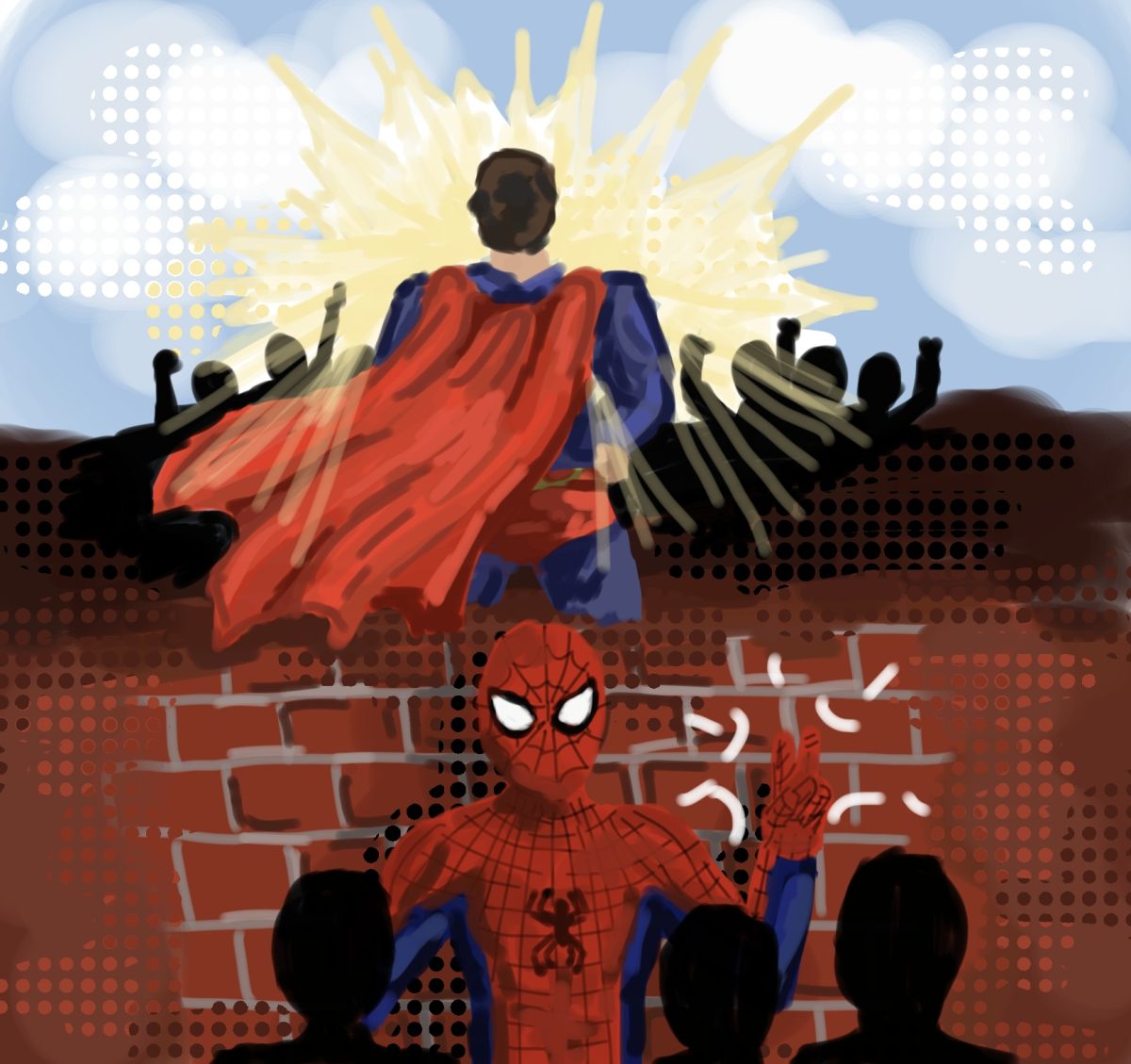











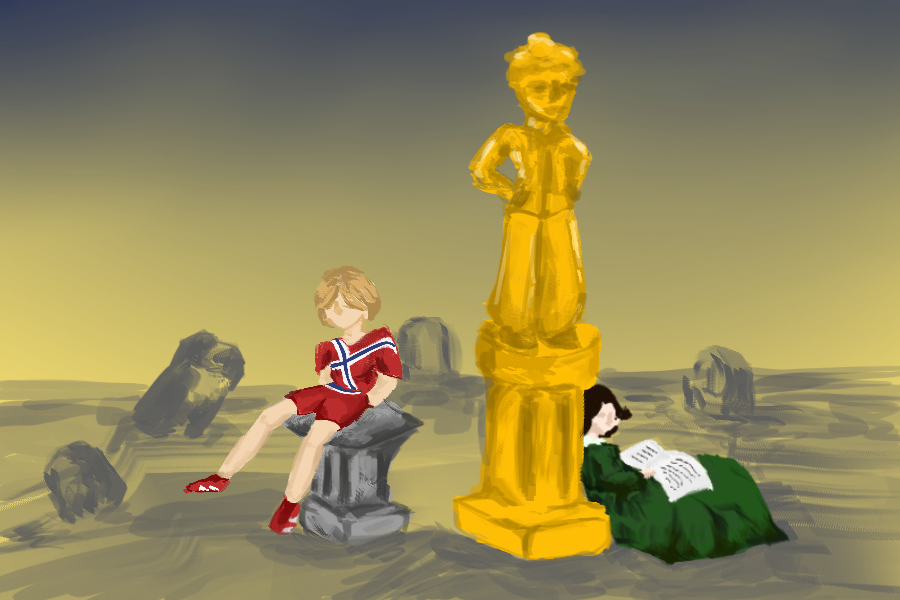





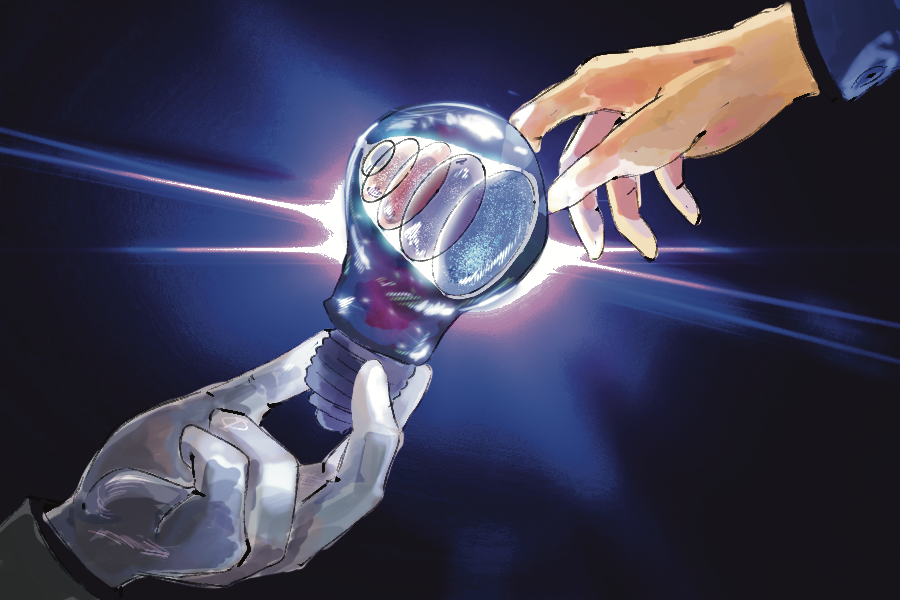








Traditional heroes were made to inspire hope and wear capes that billow in the wind. By contrast, modern heroes are made to resemble the everyday human: flawed, messy, and relatable. So, why the change? The short answer is that the world that traditional heroes were created for has changed and audiences have grown tired of heroes being invincible. They wanted a character that was more like themselves, only slightly more powerful.
This switch was revolutionized by art director Stan Lee when he created Spider-Man. His new formula asked, what if there’s a superhero who can’t pay his rent, is always late for school, makes a ton of mistakes, but is still compelled to do the right thing? Not because he has to, but because he wants to?
Take Captain America and Superman. These characters were made during the Great Depression and World War ll, times when people needed a hero they could look to for hope and reassurance. Audiences needed absolute moral clarity where the superhero was good purely because they wanted to be. They wanted a hero that would defeat the villain and go home with everything returning to the status quo.
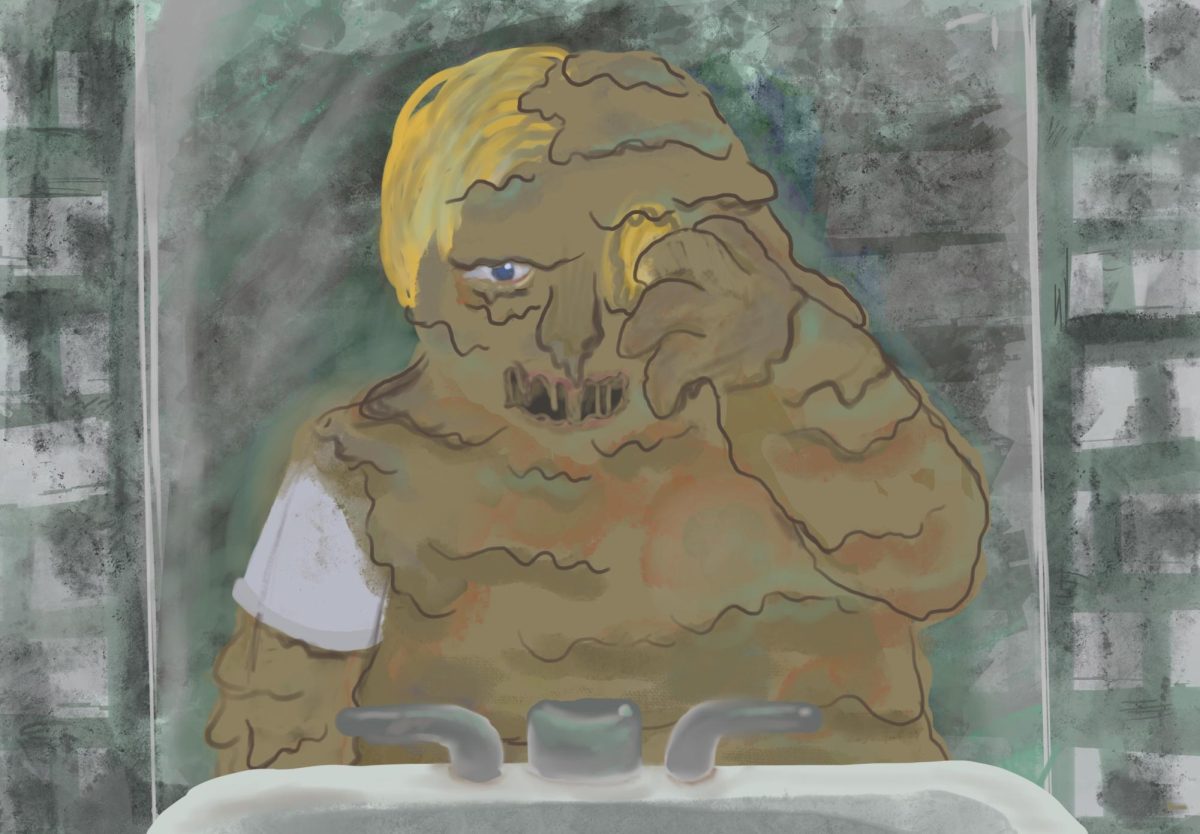
Now that times have changed, audiences reject these godlike figures and instead favor unconventional heroes like Deadpool and The Punisher, who may be better classified as anti-heroes. These anti-heroes cross lines, break rules, and prove that what defines a hero isn’t always so black and white. Deadpool, for example, violently hunts down the man who disfigured his face, but later saves the woman he loves.
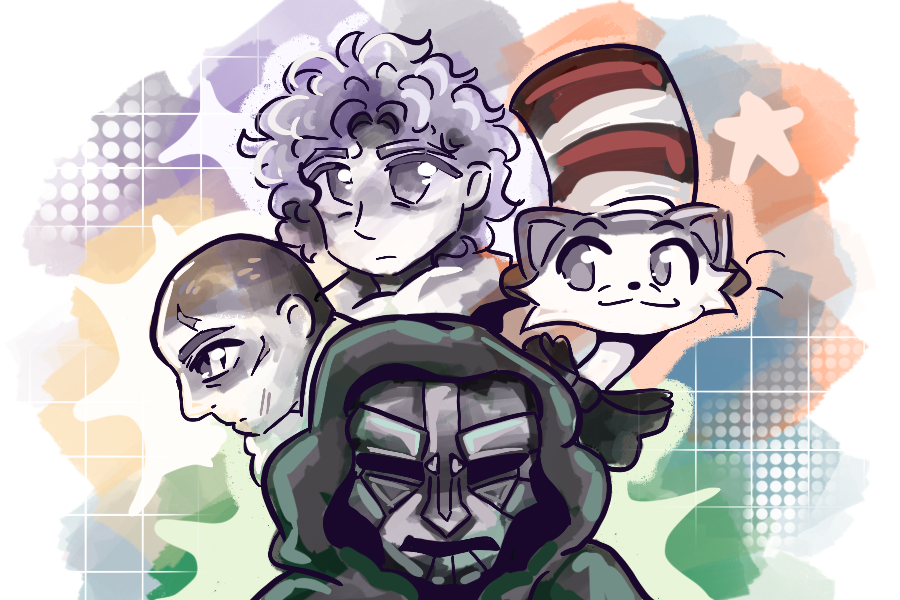
The modern hero archetype isn’t just changing solo heroes—it’s creating new group dynamics as well. Groups in the past like the Justice League were the golden standard, working in perfect harmony. The Guardians of the Galaxy or the Avengers, by contrast, are both similarly dysfunctional groups with constant arguments, tension, and share the common trope of failure before success.
Another massive difference is the stakes that the heroes face. In the past, a hero could have an epic battle against a supervillain, but at the end of the day go home with minimal damage. Now, heroes lose loved ones, cities suffer extensive damage, and the general public isn’t always on their side. One of the best examples of this first appeared in Marvel comics in 1973 and again in Andrew Garfield’s The Amazing Spider-Man 2. Peter Parker loses the love of his life, Gwen Stacy, after the Green Goblin drops her from the top of a clock tower and he isn’t fast enough to save her.
In my opinion, it can get boring when everything works out for a character. Who wants to watch a movie where the character faces a challenge and makes it out without having to face any consequences? It’s just not realistic. The modern superhero is an important pillar in media nowadays because not only does it make superheroes more relatable, it humanizes them. Morally gray is the new it-hero. We get characters who resemble us. When we watch a superhero movie, it can sometimes even be like watching a version of our own lives. Now, their stories don’t just entertain us; they fully immerse us.