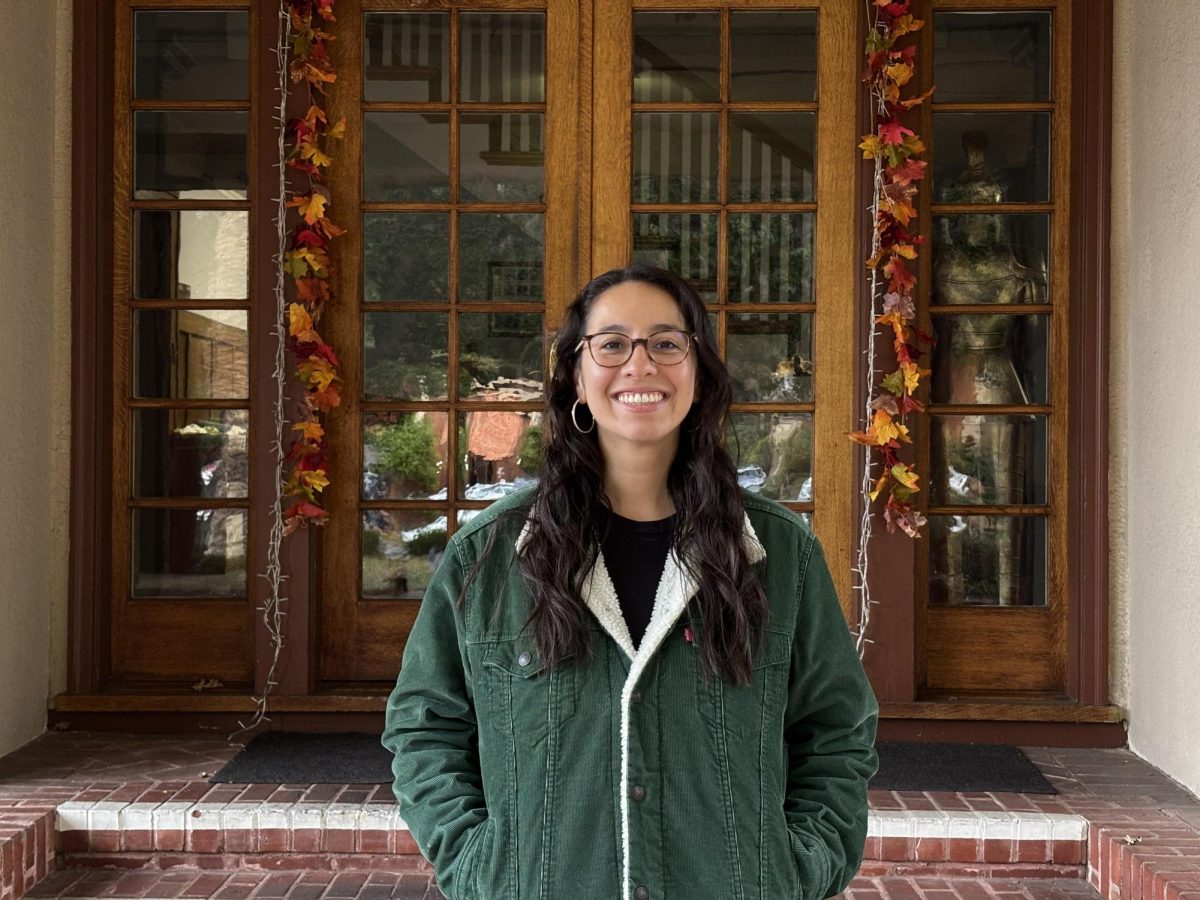










































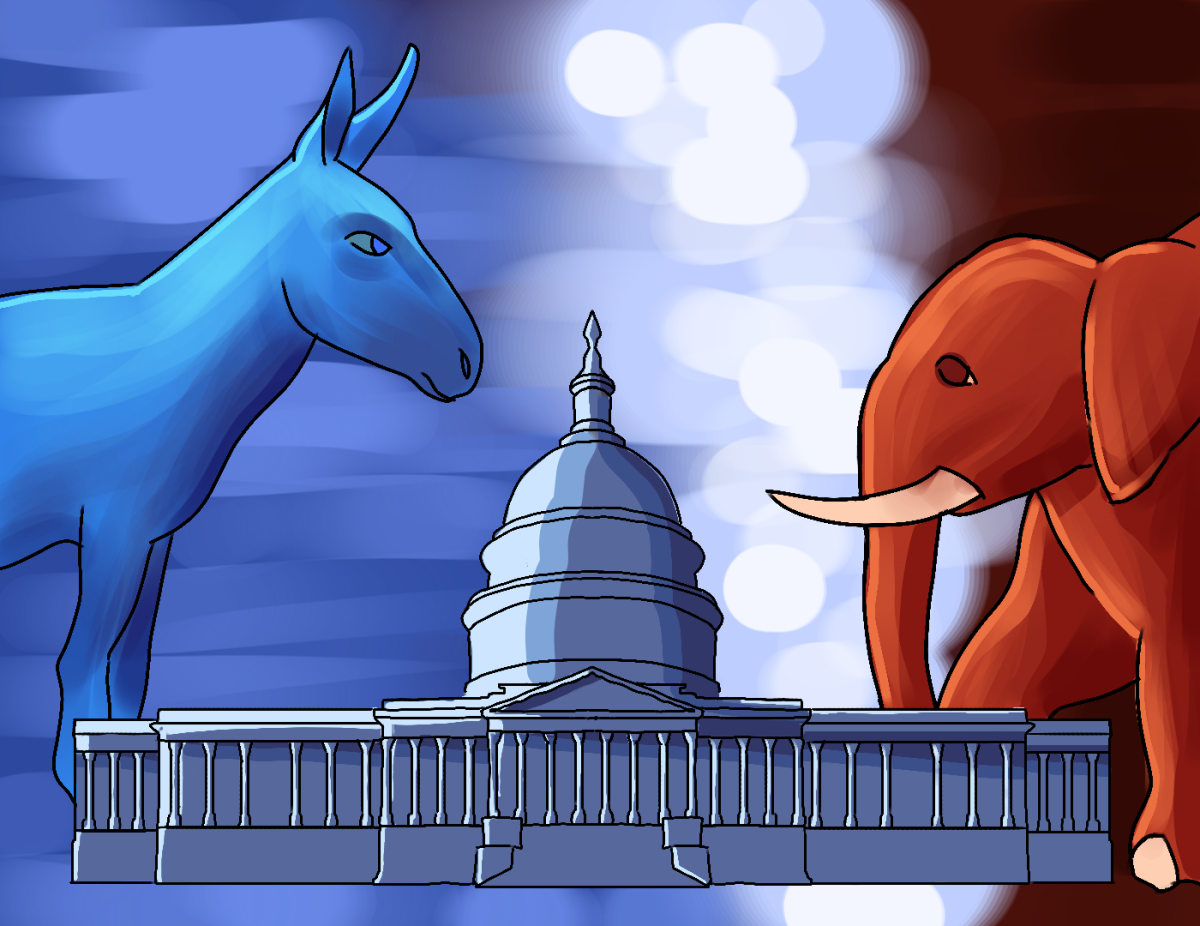

















































The Democrats won a resounding victory in the midterm elections. Whether this represents a true ideological shift to the left among the American people or simply dissatisfaction with the current Republican administration is debatable, but the fact remains that Democratic candidates dramatically outperformed their Republican counterparts. Among this tide of Democratic candidates are several Democratic Socialists, a faction within the Democratic Party that skews further left. The success of these more progressive candidates has led to questions surrounding the future of the party, particularly given the shift away from the center that the GOP already experienced with Trump’s right-wing populism. To try to understand and predict these ideological movements and party machinations moving forward, I sat down with Kate Bedingfield, the former White House communications director for the Biden administration.
First it is critical to understand why this shift away from the center is happening. As Bedingfield puts it, “Anti-incumbency or anti-establishment mentality is probably the single biggest driver in politics on both sides of the aisle. You can see it with some of these democratic socialist candidates who are campaigning exclusively on upending the status quo, and they’re clearly finding some traction.” People want something different, and they are voting for candidates that they believe will give it to them. Trump seemed different in 2016, a crass and transparently self-interested billionaire who defied all conventional political wisdom. And Democratic Socialist candidates seem different now, promising to upset economic and healthcare policies that have remained the norm for decades.
When asked about Republican candidates in 2028 and beyond, Bedingfield did not believe that a return to traditional political candidates was likely. “To some extent they are all always going to be chasing Trump and Trumpism, because he truly changed the game.” This is not a promising prognosis for those hoping for a return to more orthodox politics, but it is consistent with current trends. Trump popularized a populist model of politician, running on the promise to represent the interests of ordinary people against an oppressive establishment. But if anti-establishmentism is indeed such a powerful political force, there is no reason to stop running these Trump-style candidates.
But the populist rhetoric that has been associated with the Republican Party has now started to emerge among Democratic candidates. When asked about what she expected to come of the new Democratic majority in both chambers of Congress, Bedingfield predicted an increased emphasis on oversight, speculating that “holding companies accountable will be a key part of an increasingly populist Democratic platform.” Populism inherently involves defending the common people against a system they perceive as corrupt. Both parties see themselves as defenders of the common man, but manage to disagree completely as to who the common man is, who is oppressing him, and how to address this oppression through policy. This seems paradoxical, but it is where the differences between left-wing and right-wing populism become evident.
Left-wing populism seeks to defend economically disadvantaged groups from corporations and billionaires. They aim to protect people. Right-wing populism on the other hand seeks to protect the “American way of life” and “traditional American values” against perceived liberal establishments seeking to destabilize them. This language is codified within the movement. Protecting “the American way of life” means exclusion of those who “aren’t really American.” But what does that mean? When pressed, most right-wing populists cannot supply an answer. And that is because the part nobody wants to say out loud is that it means minorities, people who are different, and people who don’t fit into their bigoted view of what it means to belong.
These two populist wings are not different sides of the same coin. One group represents a genuine desire for the protection of human rights and the other seeks to restrict the American dream to a select few. The parties are both shifting from the center, but do not mistake their ideologies as equally extreme. One stands for protection and the other stands for intolerance. But voters are recognizing this, with election results reflecting the desire for a shift from right-wing populism to left-wing populism. As Bedingfield puts it, “a Democratic victory in these midterms is a mandate for change from the American people.”