



































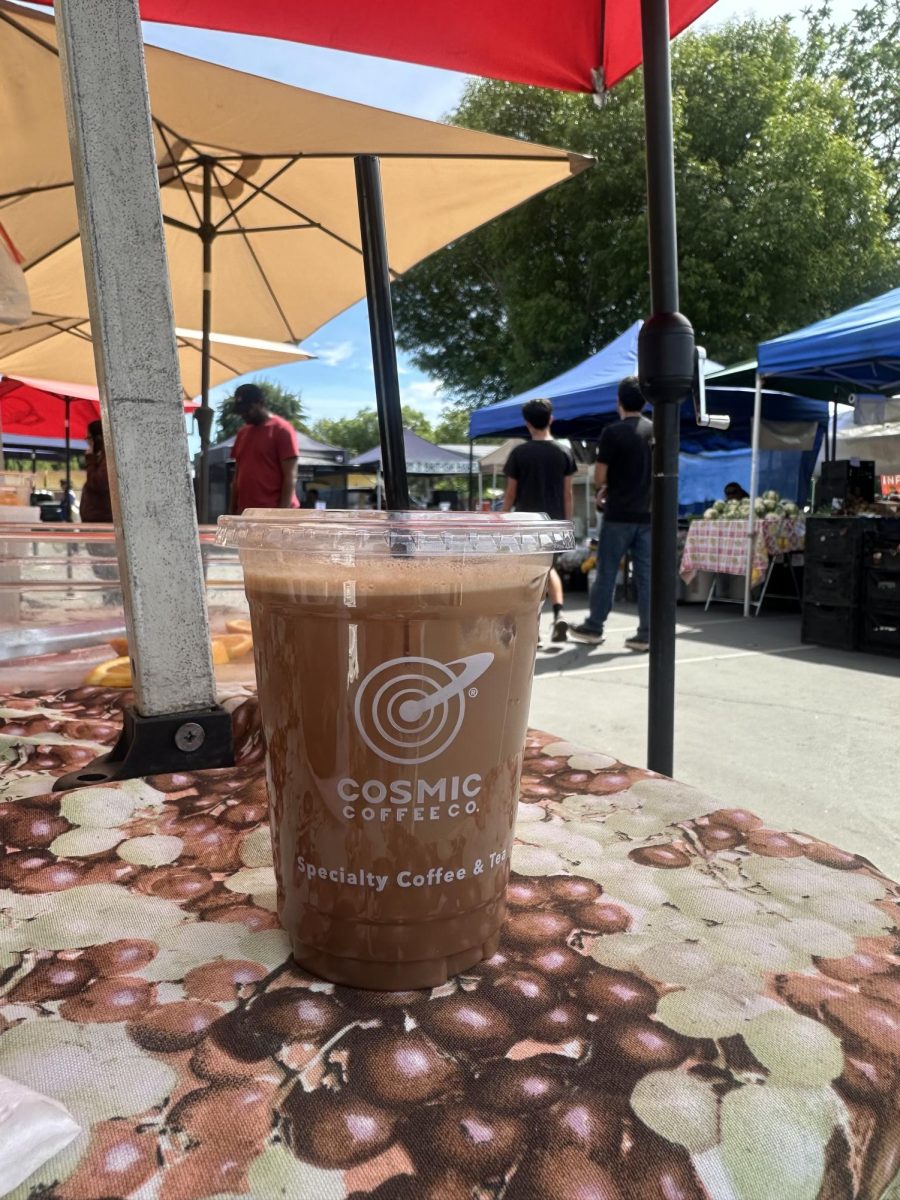







































You’ve probably had caffeine sometime during your day without even noticing, such as having a matcha latte after class or a soda during lunchtime. In reality, caffeine is more commonly used in our daily diet than one might think. While it can help people stay awake, an excessive amount of caffeine can have negative side effects. So how much caffeine is too much?
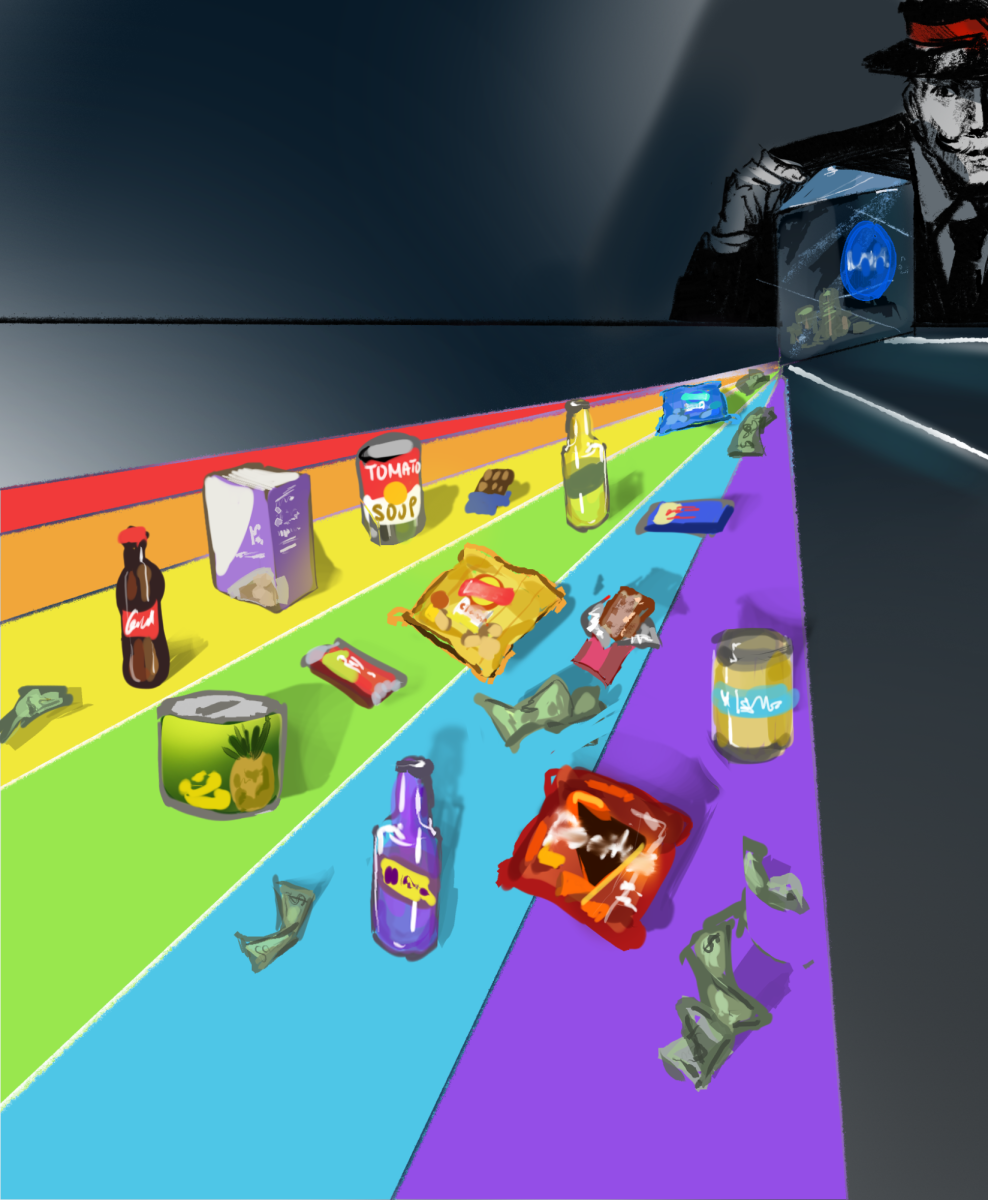
The CDC reported that 65.5% of adolescents between the ages of 12 and 19 ingested caffeine on any given day from August 2021 to August 2023. This is no surprise considering how many popular beverages contain caffeine. However, people should note that caffeine is not only present in coffee and energy drinks. Caffeine can be found in tea, chocolate, soft drinks, and even sweets.
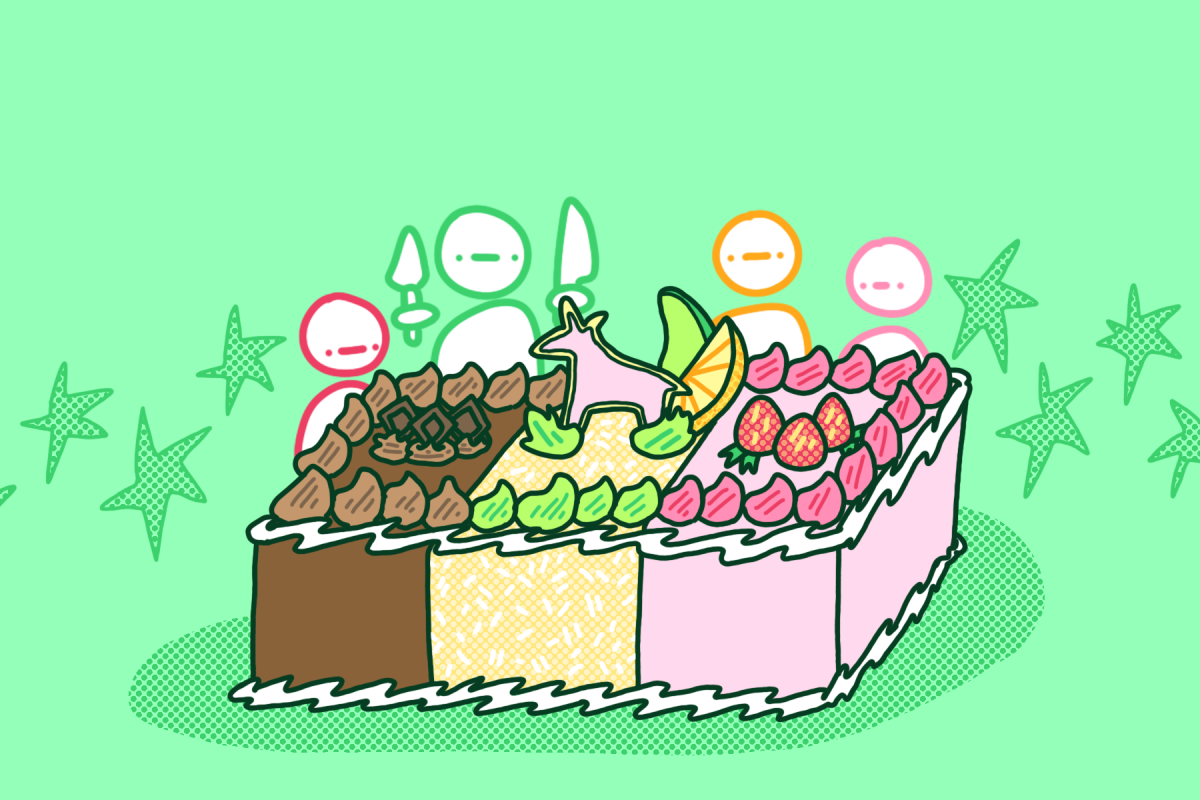
According to a CDC report this year, sweet baked goods are one of the biggest sources of caffeine consumption among teenagers. Sweet bakery products such as cinnamon rolls and chocolate cake account for about 19.1% of total caffeine intake.
Even when consumers know that their beverages contain caffeine, they may be unaware of how much of the stimulant it contains. An FDA report found that the amount of caffeine in one 12-ounce cup of brewed coffee ranges from 113 to 247 milligrams while one 12-ounce cup of black tea consists of 71 milligrams of caffeine, and a caffeinated soft drink contains 23 to 83 milligrams of caffeine.
Too much caffeine consumption is determined differently depending on one’s age group. The American Academy of Child and Adolescent Psychiatry recommends that teenagers should consume less than 100 milligrams of caffeine a day. As for the adult population, the FDA suggests that about 400 mg of this substance is an acceptable daily intake of caffeine.
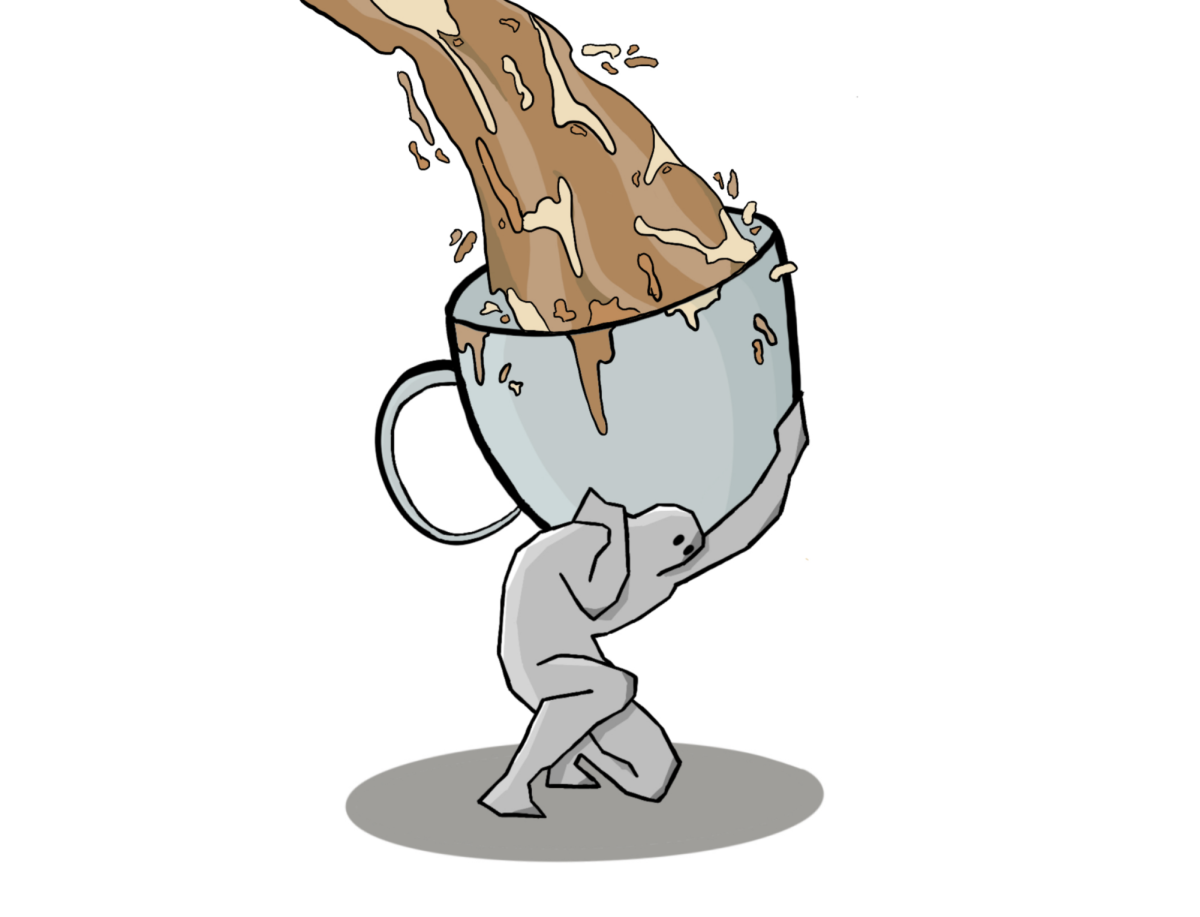
So, what does excessive consumption of caffeine lead to? Caffeine is a stimulant for the central nervous system and it allows its consumer to be more awake and alert. Excessive caffeine intake results in headaches, insomnia, restlessness, and anxiety. It may also raise heart rate and blood pressure. In the case of teenagers, this problem should be brought up considering sleep has a significant impact on memory, concentration, and learning. Having a cup of coffee or an energy drink will help with staying awake for some time, but it will never replace a good night’s sleep.
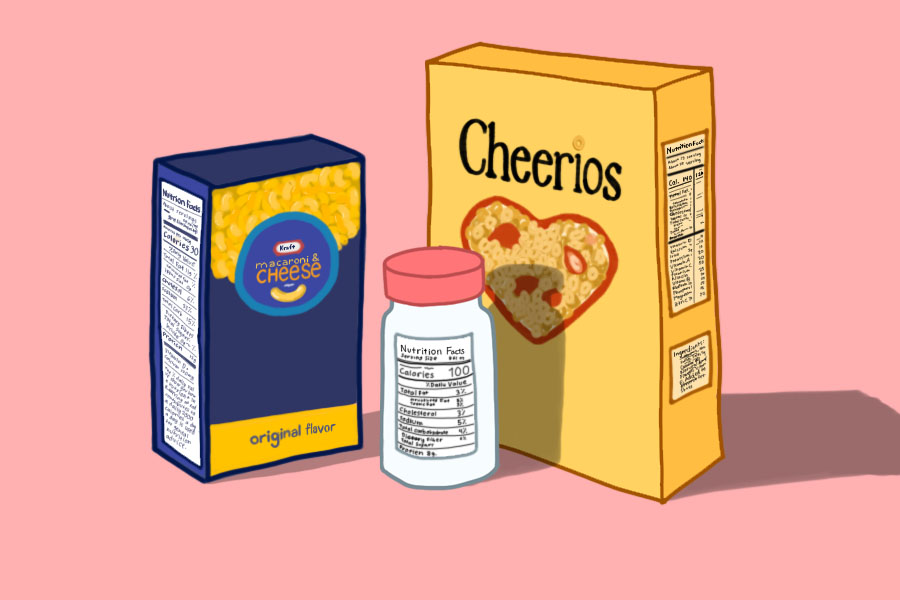
Caffeine is not always something people have to avoid. The key is understanding how much is in the products that you consume daily. By reading labels and following serving size guidelines, you can stay within healthy caffeine limits.
So, the next time you grab a coffee, a matcha, a soda, or even a chocolate treat, check how much caffeine it has. You would be surprised at how quickly it adds up.