












































Upbeat hip-hop music rang throughout Burns Gym, snacks were passed around, small patient beds were stretched out, and the atmosphere felt surprisingly calm. Unlike the sterile, intimidating environment usually associated with medical settings, Saint Francis’s biannual blood drive framed an unlikely event. On Oct. 30, the Future Medical Students’ Association (FMSA) hosted its latest blood drive on campus. Open to qualified students over the age of 16, the event provided an opportunity to donate blood and participate in a major health initiative right on campus.
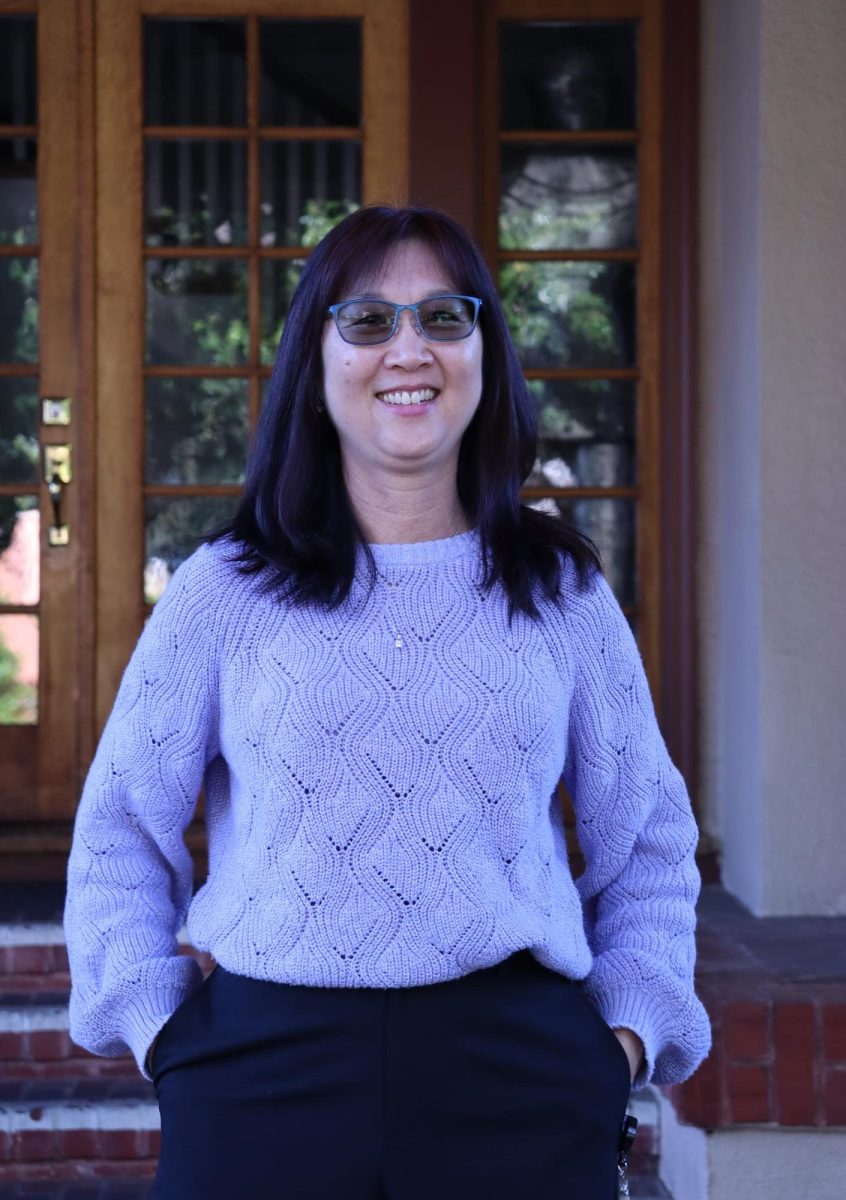
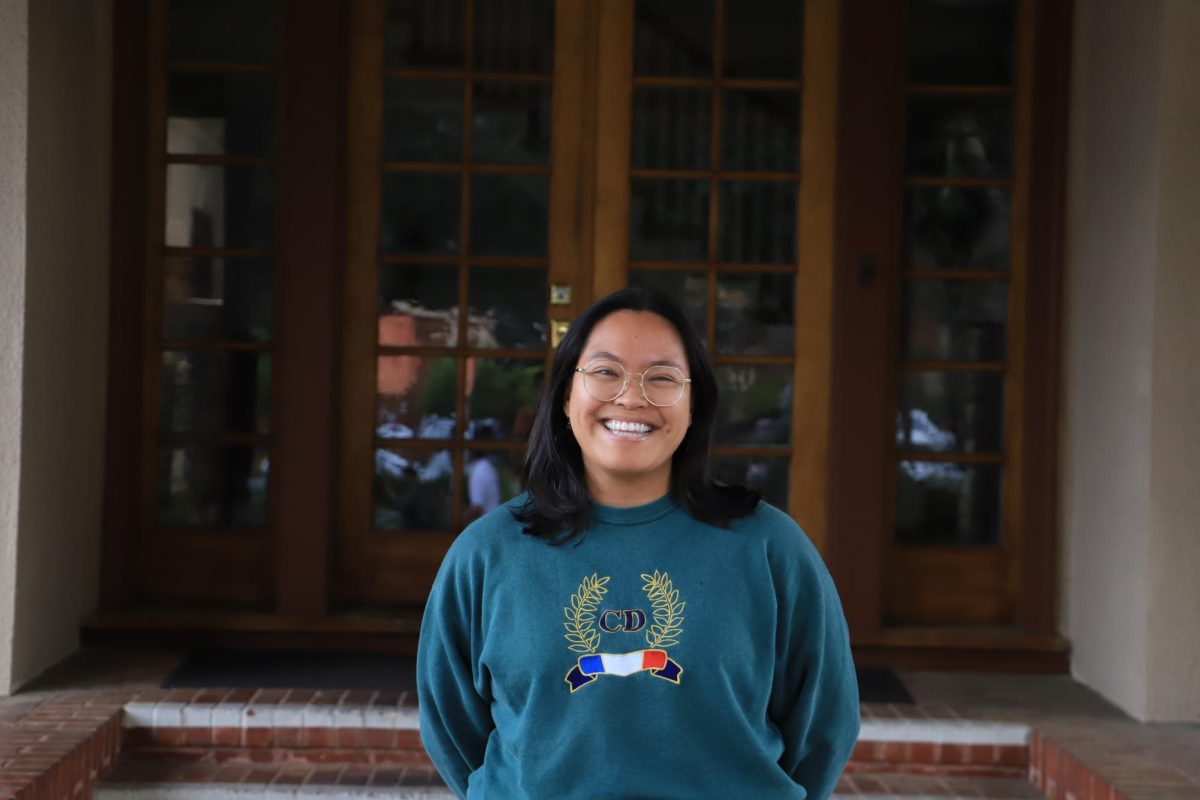
For Kathleen Hsu (’28), a director of FMSA, organizing the drive stems from a lifelong passion: “Growing up, I’ve always known that I was very interested in helping people and helping transform lives. I think a lot of times, as youth who want to get into the medical field, it’s very easy to feel like we need to get all these degrees in order to even help a single person. But I think the blood drive is a good reminder that even as students, there are really good ways that we can directly help people.”
Organizing the drive first involved pushing against initial student hesitation. “People usually find blood a little icky. A lot of people are also very afraid of needles,” Hsu explained. Additionally, many students held exaggerated misconceptions of what the experience would be like, worrying that donating would “take half their blood or some crazy amount.” To combat these fears, FMSA focused heavily on education. They also coordinated closely with the Black Student Union (BSU) due to the “critical shortage of blood from people of Black or African heritage” because of sickle cell disease trends.
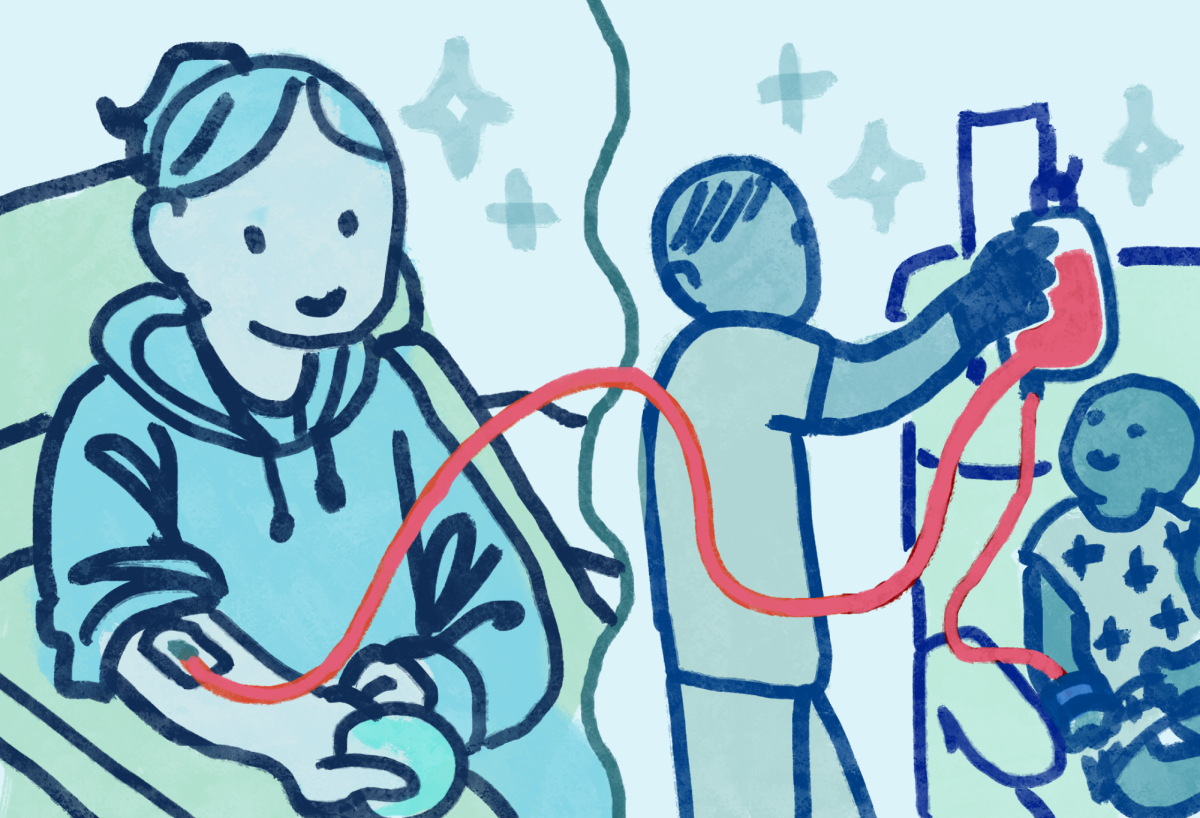
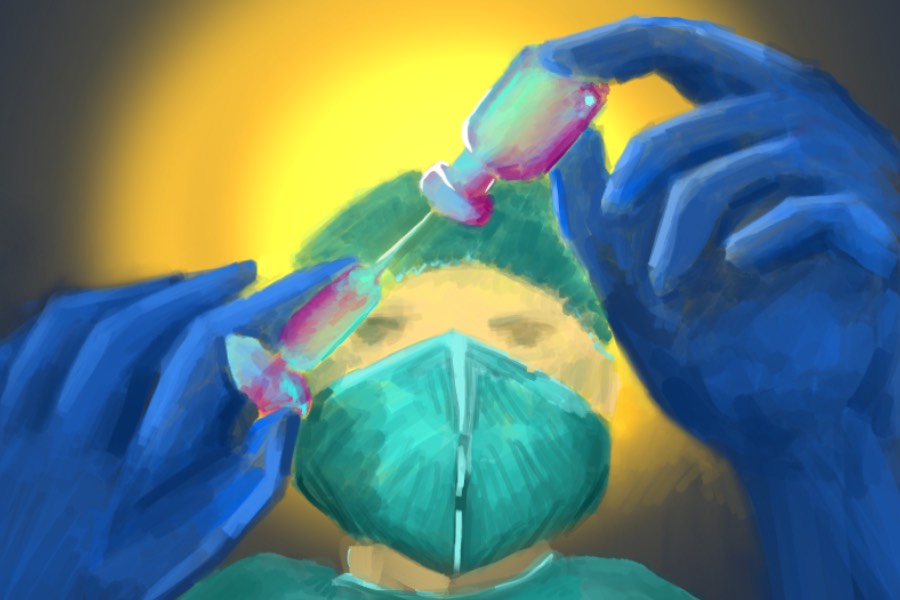
Behind the scenes, pulling off the blood drive required meticulous planning. Organizers from FMSA actually started planning the drive in May in order to meet all the Red Cross regulations before the school year even started. When Friday finally arrived, the day ran smoothly. Donating students first filled out a questionnaire and underwent minor tests to ensure they were completely cleared to donate. Then, professional Red Cross staff performed the blood draws.
When asked what she would tell a student uncertain about donating blood in the next blood drive, Hsu encouraged students to “just think about what makes most sense for [them] and try to educate [themselves] more on the potential pros and cons of it.” Blood donation can also make people feel slightly drowsy afterward, which might not be ideal for student athletes.
Above all, the blood drive proved that even high school students can make a tangible and life-saving impact. For those who missed out this time, there are always other meaningful ways to help, whether that be through visiting a local Red Cross clinic over the weekend or participating in FMSA’s second bi-annual blood drive this spring!