
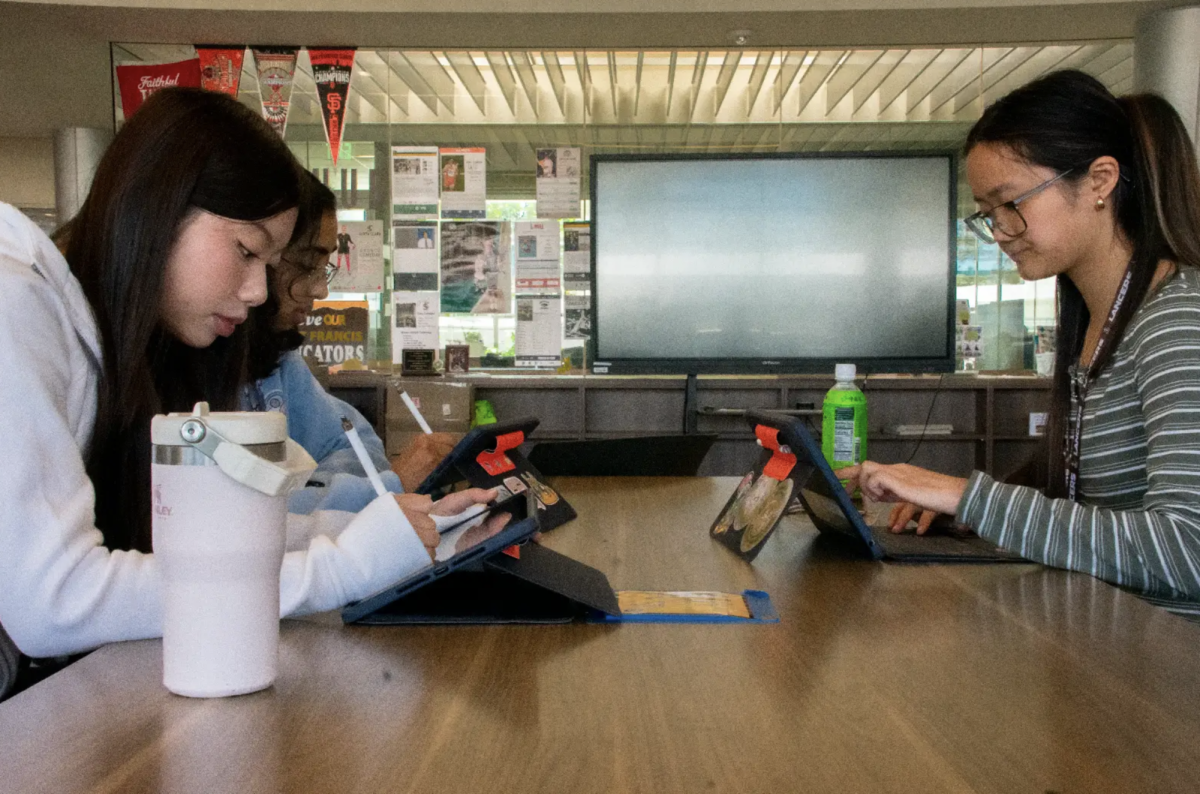







































































Positioned in the heart of Silicon Valley, most Saint Francis students have never known a classroom without technology. We were playing Kahoot! in kindergarten, figuring out Zoom in elementary school, and creating ChatGPT studyguides before our parents knew what AI was. Therefore, our generation just assumes that digital tools and devices are standard in classrooms. How else would we check our grades or deliver slideshow presentations?
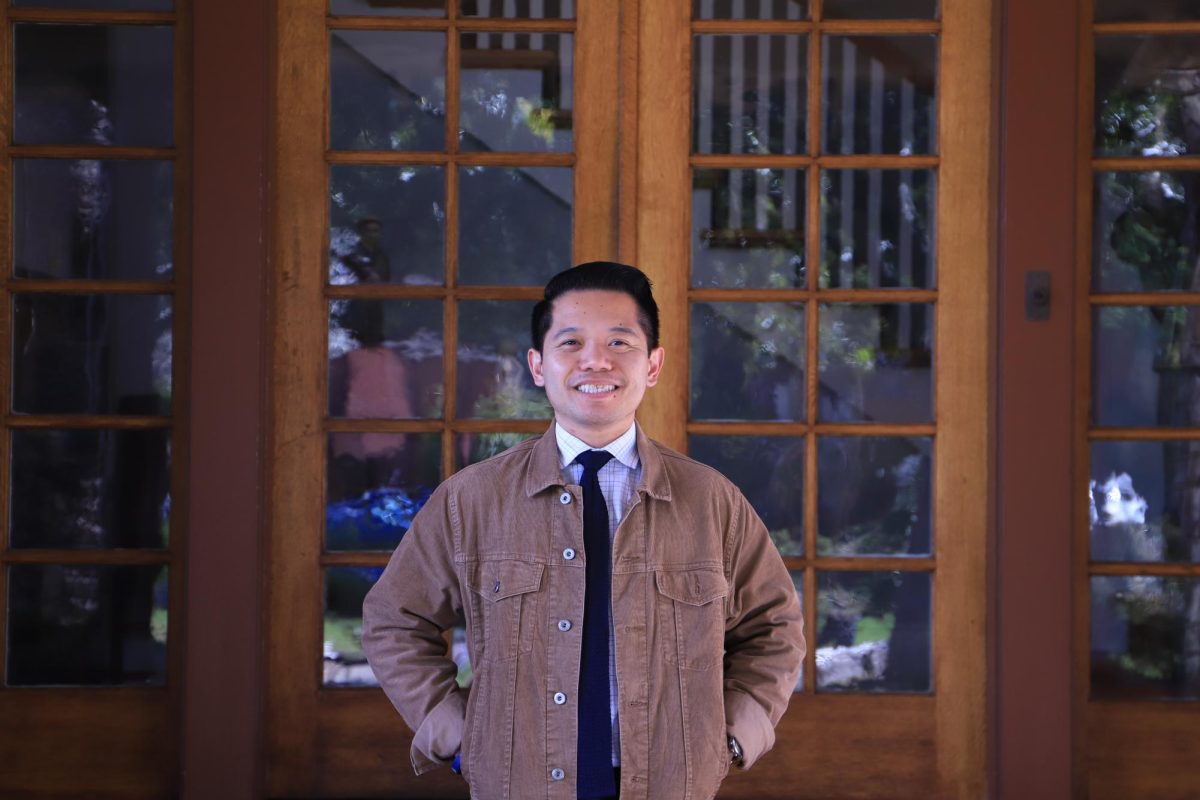
It hasn’t always been this way. Saint Francis actually didn’t have a universal device program until 2012—the same year some of our current freshmen were born. Prior to the fall of 2012, Saint Francis had carts of devices for use in-class and students were encouraged to bring their own devices from home. Mr. Kevin Makley, was the president of Saint Francis at the time and described this era as difficult because “It was kind of the ‘have’ versus the ‘have-nots’ at Saint Francis, where some of the kids would show up every day with their tablets, or they might have a MacBook.”
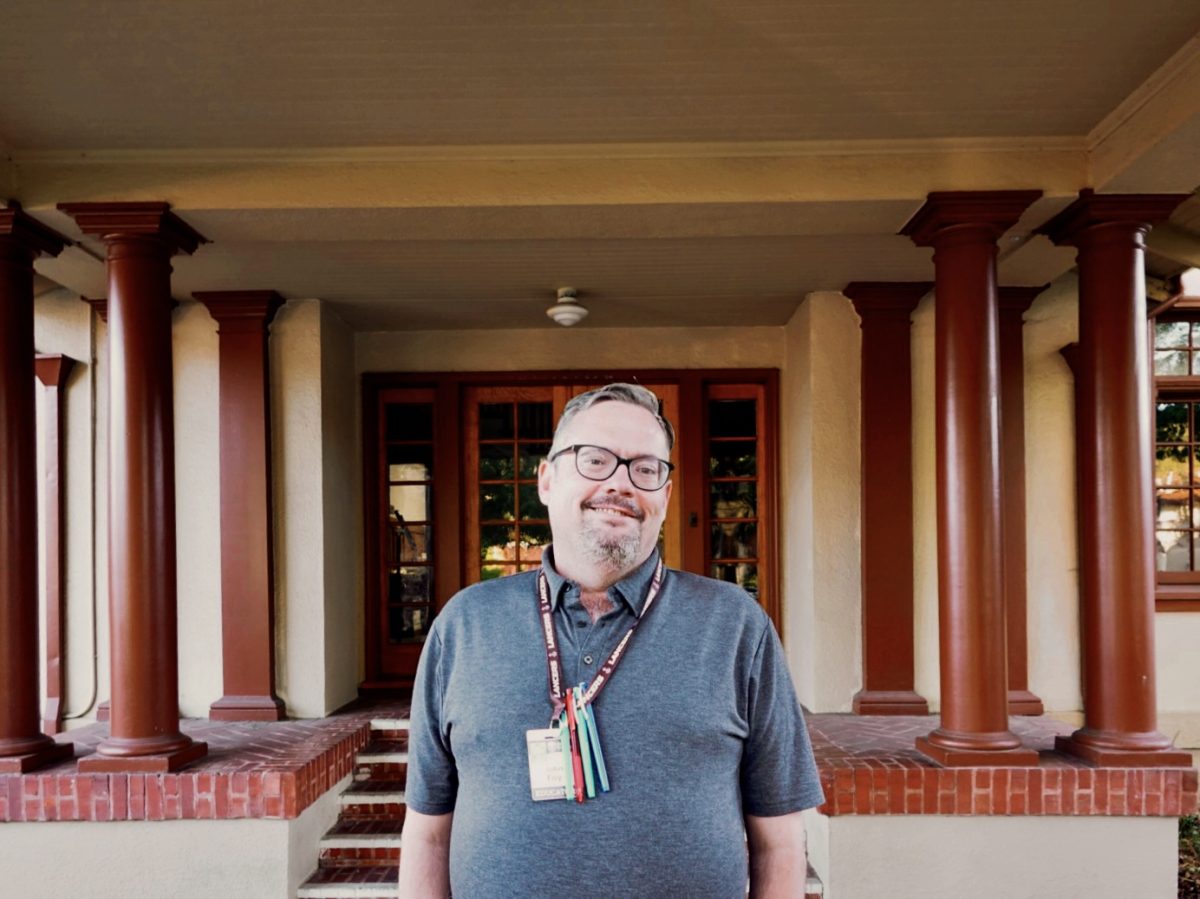
As schools around the Bay Area started to invest into different device programs, Saint Francis educators and administrators agreed that it was time. They began to determine the best way to put tech in students’ hands. Ultimately, they chose a 1-to-1 system: each student would be designated a device that they would get to take home and keep until they graduated. Mr. Larry Steinke, current tech director, was also the tech director 2012 and said: “The issue of equity was always front and center. We never wanted someone to feel othered.” The 1-to-1 policy created an even playing field; one student’s work wouldn’t be better or worse because of the device they used.
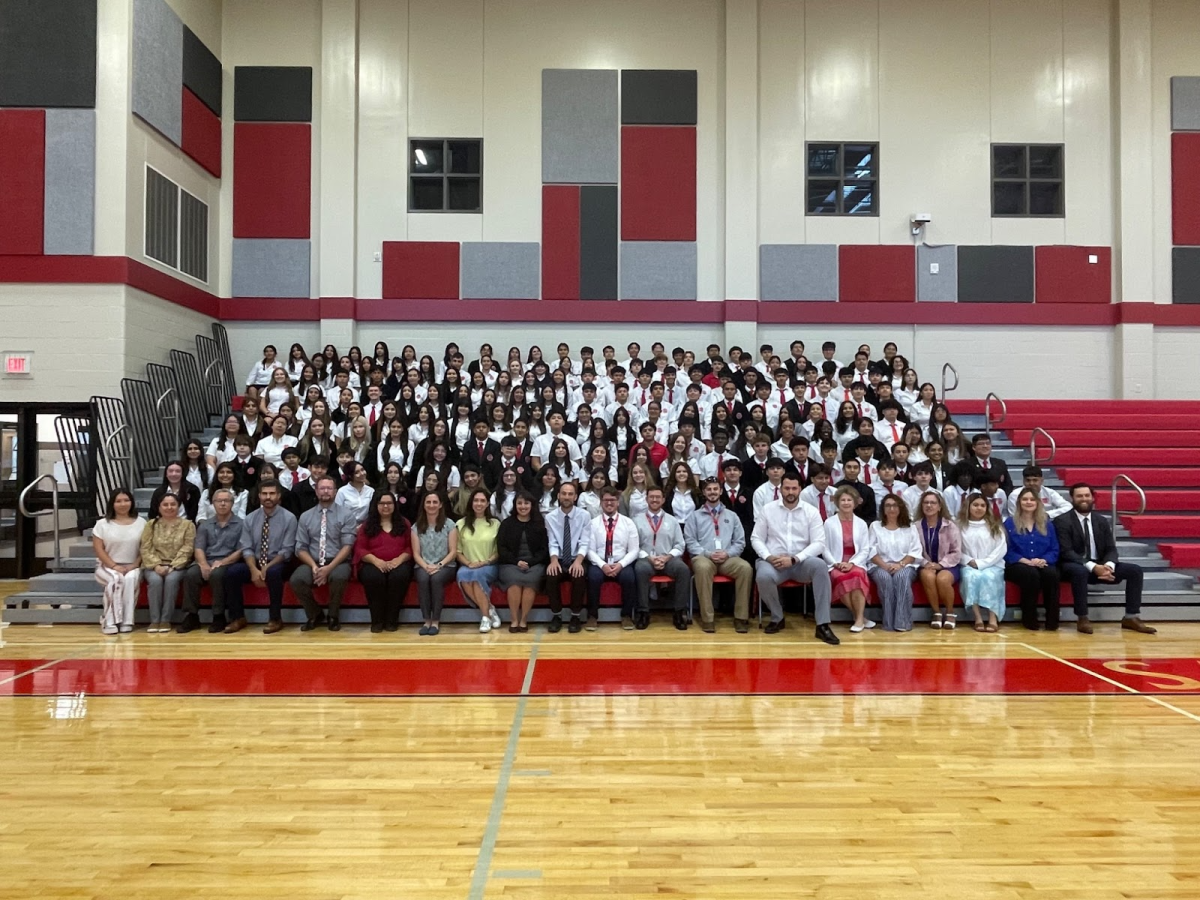
The next hurdle was choosing which device to purchase for the over 1,700 students and administrators. There were 3 main contenders: the Apple iPad, the Microsoft Surface, and the Google Chromebook. There were many factors that played a role into the decision, but ultimately student feedback is what set the iPad apart. Three groups of around 10 students each tested a device, and then after a few weeks, the groups would switch until every student had tried each device. Mr. Steinke oversaw this experiment and said, “We found out with the iPad that it really was a little bit more intuitive to just use.”
Now, they just had to buy almost 2,000 iPads. No big deal, right? Well, for the students, it really wasn’t. “We very candidly did not want to incorporate [iPads] as a surcharge. It just didn’t send the right message. We also didn’t magically increase our tuition by another $1000 the next year,” said Mr. Steinke.
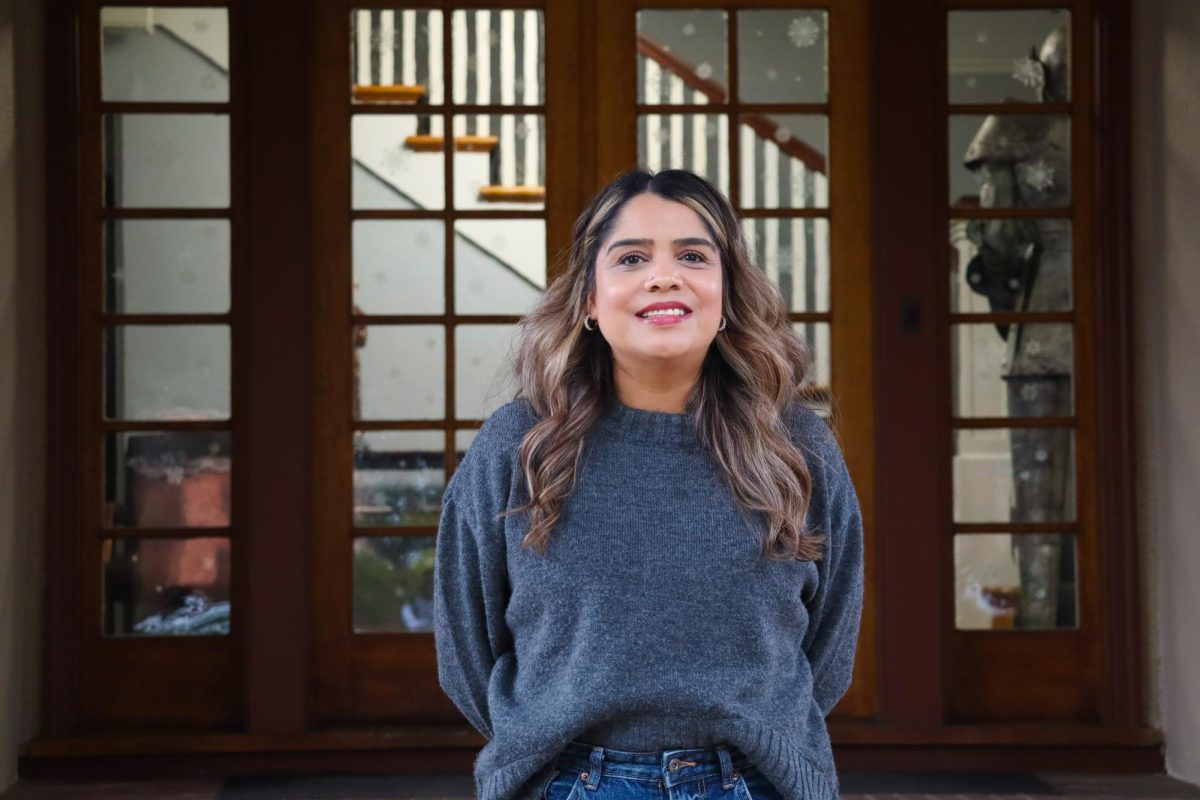
The investment paid off quickly, students quickly adapted to the new devices. Mr. Grant Lucas, current social studies teacher, associate activities director, and band director, was a freshman in the fall of 2012. He remembers, “It took some time to set up, but they quickly became very helpful as a way to minimize textbooks as well as just having a way to access media materials that you wouldn’t have had in a traditional classroom.”
The ease of transition for the students was expected; students had grown up using devices while educators had to design new lesson plans, create new projects, and ultimately come up with a new approach to the subjects they had been teaching for years or even decades. Mr Makley described the situation: “They’d always been great teachers. They’d always done a great job, and now, here’s the administration, saying, ‘Oh by the way, you need to add technology.’”
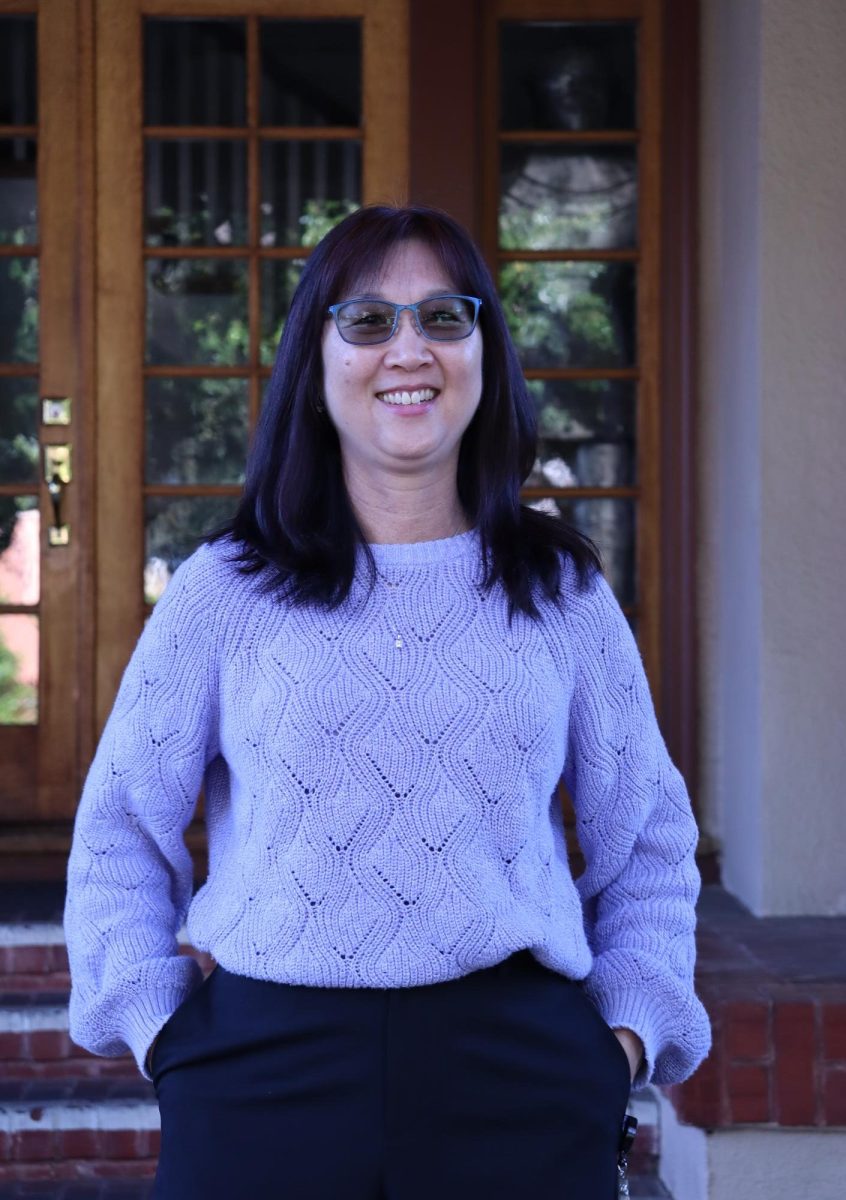
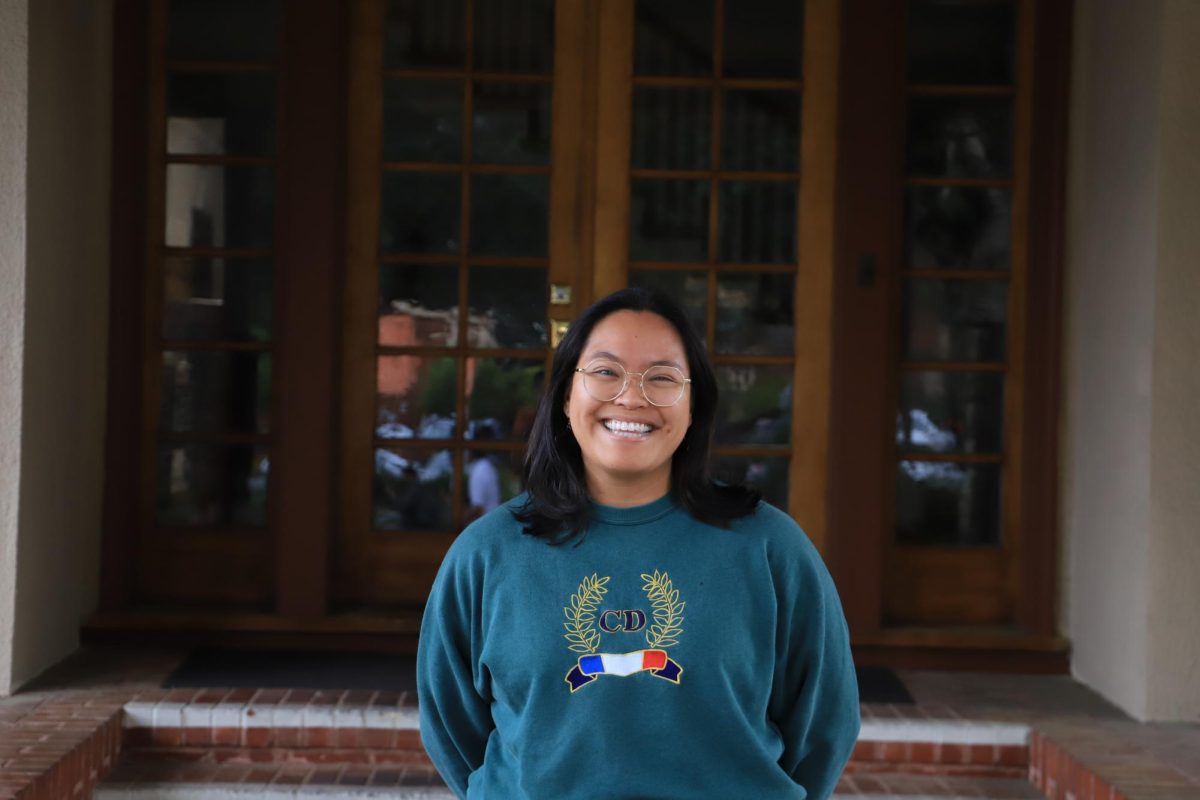
In order to help educators with these new challenges, the administration created a group of “educational technologists,” which included educators like Mr. Matt Maguire and Ms. Lesley Shortal. “They would help with lesson planning and all kinds of management, and that was a big revolution at that time.The program was about keeping up with the technology, but it also grew to incorporate things like educational coaching. So it wasn’t just how to use the iPad, but how to educate with it.”
Today, Mr. Lucas experiences devices in the classroom from the perspective of an educator. “I remember my first year teaching here. I had this very young, ambitious mindset where I was like, ‘Take notes on paper, electronically, whatever works best for you.’ I noticed very quickly that some students did not have the self-control to maintain their focus. I’ve actually been mandating paper notes in my classes recently.”
This shift away from using iPads during class lectures doesn’t mean that they are inherently bad, it just means that they have a time and place in education. In recent years, the development of AI has forced schools to question the role of classroom technology. Now, having access to the internet in class doesn’t just mean having broader access to textbooks or resources, it means having access to a personal agent that is capable of completing your assignments.
Saint Francis is now being challenged to keep up with the world of technology, like it was in 2012. Student and educator focus groups are being formed, and conversations around AI and the classroom are everywhere. Just like when the question of bringing devices on campus was brought up, Saint Francis is taking time to do research and watch what other schools and innovators are doing. As Mr. Steinke puts it, “We might be a leading edge school, but we’re not bleeding edge. We’re usually a little step behind. We learn from everybody else’s mistakes, but we don’t wait so far that the ship has sailed.”