





















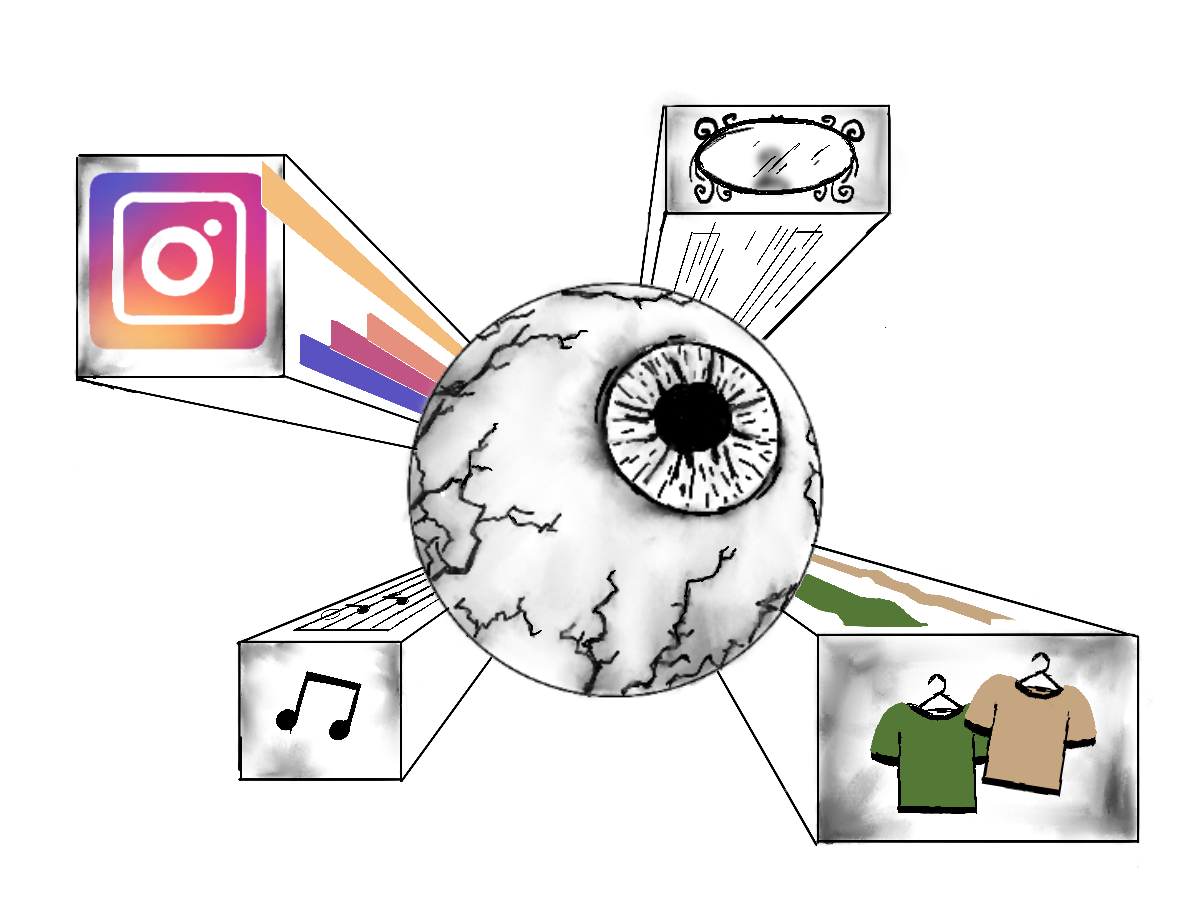

































































In politics, your time, attention, and money are commodities. You may have some perception that obscure, shadowy figures are constantly trying to change what you believe, but you may not know how, why, or when. You may also feel that this manipulation is exaggerated, or that your opinion is not valuable. To challenge some of these notions, I sat down with Courtney O’Donnell, a manager for the Biden-Harris campaign, former White House staffer, and former US ambassador to UNESCO in Paris.
The first step in understanding campaign messaging is defining the term and understanding what helps shape it in practice. As O’Donnell puts it, a campaign message is essentially an all-encompassing rationale for the superiority of a given candidate, a blend of “what their district or nation or state is looking for, the qualities of the candidate, what they have achieved in their professional or personal background, their belief systems, and the proof they have provided that they can provide what people are looking for.” However, this narrative—painstakingly crafted by managers, advisors, and the candidates themselves—is worthless if it isn’t reaching voters. And as O’Donnell notes, the way campaigns are seeking to reach voters is changing.
“In some ways there’s a lot more exposure because more people can access [information] in more ways… there’s social media, Twitter… but I do think there used to be time to think, respond, prepare, and now it’s just a constant discourse,” O’Donnell said. More discourse may initially seem positive, but it becomes far less appealing when coverage focuses less on dialogue and more on validation. Access to partisan media allows people to reinforce their own preconceived opinions and pushes them further from the ideological middle.
Consider what you imagine a campaign’s goal to be. It likely involves persuasion, convincing undecided voters to be swayed toward your way of thinking. However, reality no longer fully reflects this scenario. When asked about independent voters, O’Donnell said, “That segment of the populace is getting smaller and smaller.”
A decreasing pool of independent voters coupled with the rise of misleading social media content has created a rage-driven political atmosphere. Instead of being forced to engage with controversial issues face to face, voters are able to retreat into an echo chamber of their own beliefs. Beyond exacerbating political polarization, echo chambers are damaging because they oversimplify policy issues. A Democrat-backed bill proposing regulations on artificial intelligence might be decried as a dystopian attack on freedom by a conservative influencer. A Republican proposal reallocating funds to the military might be presented as warmongering, a bloodthirsty attempt to perpetuate war in the Middle East. Together, these trends have led to a less informed and increasingly polarized electorate.
Because voters have become harder to convince, modern campaigns have begun to prioritize base mobilization rather than bipartisan persuasion. Parties are moving further apart. It can be argued that not only are political systems polarizing voters, but that voters are also polarizing political systems.
According to O’Donnell, the answer to this problem lies in the youth vote. “For young people to get engaged, that’s how we’re going to transform this system.” Younger citizens are a new population of voters in a country where the existing voters are reluctant to change their minds, and they bring diverse issues and perspectives to national relevance. A study by the Independent Center found that youth is highly predictive of lower party loyalty.
So if you ever feel as though your vote is inconsequential or that your opinion does not count, take the word of a woman who has worked in politics for decades: “for America to continue to be the beacon of democracy that it is and should be, young people need to care. They need to be involved.” Your vote matters—billions of dollars are being spent to secure it. But because it is so valuable, it is crucial that you not only use it, but become aware of the forces seeking to influence it. There are no shadowy figures deciding what message you will be fed, just politicians, campaign managers, and advisors. They are desperate for your vote. And it is your civic duty to use it responsibly.