






























































































Between 2016 and 2019, dozens of community science volunteers headed out to the foggy cliffs of the Southern California Bight—an area encompassing the coast of Southern California, the Channel Islands, and the Northern coast of Baja California. Armed with binoculars whilst traversing over the swaths of spreading rush and prairie junegrass, the volunteers searched for California brown pelican (Pelecanus occidentalis californicus) nesting sites, finding a total of 44 roosting sites and over 2,500 total birds.
When compared to the 410,000 individuals of the only other American Pelican species—the American White Pelican (Pelecanus erythrorhynchos)—the brown pelican population may seem small in number. However, just fifty years ago, this population size was unimaginable. DDT, a toxic pesticide first used during WW2, caused avian populations around the world to decrease at an alarming rate due to its toxic runoff. As early as 1946, members of the US Fish and Wildlife Service expressed concern over the potential harmful effects of DDT on the ecosystem, and in 1950, researchers discovered that its effects on birds included manipulating sex hormones. Later studies demonstrated that DDT significantly weakened the eggshells of eurasian sparrow hawks (Accipiter nisus), thinning the eggshell by eight to ten percent. Despite this, DDT was still in use by many Californian farmers to maintain their farms, allowing excess DDT and dead insects to flow down waterways and into the ocean.
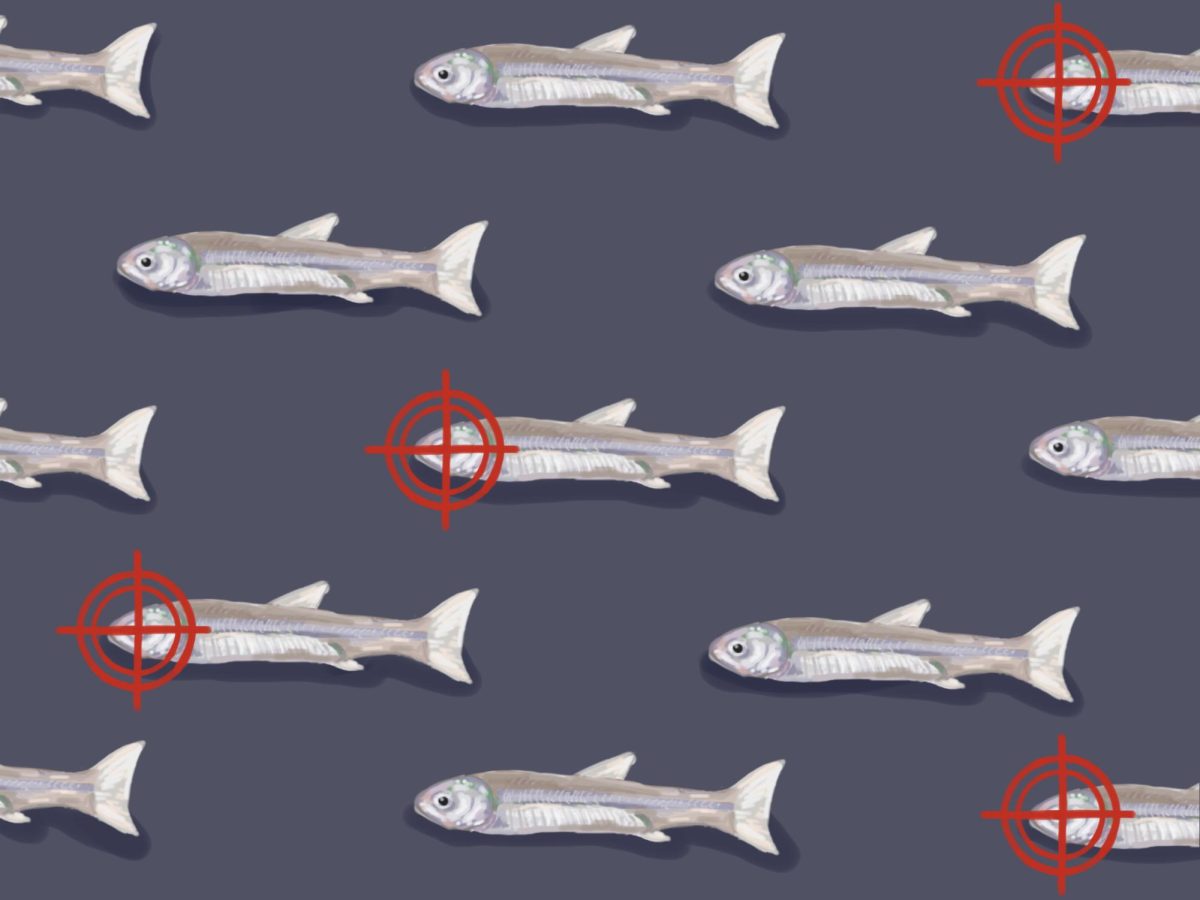
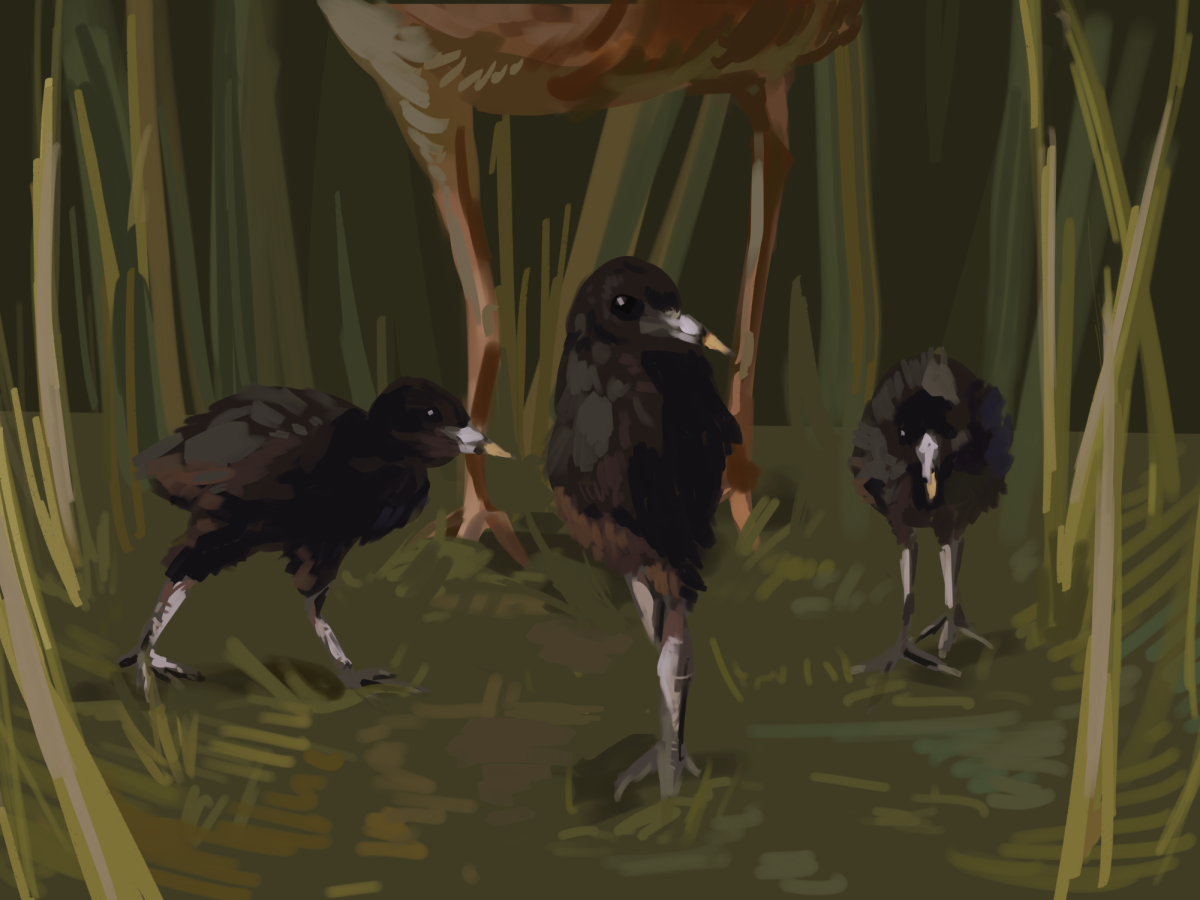
California brown pelicans were especially vulnerable to the DDT for two reasons: their diet consisted almost entirely of northern anchovies during breeding season, and the anchovies feasted on the dead insects that floated around the delta. The DDT molecules from the insect-eating fish disrupted the calcium reproductive pathways in the pelicans. Thus, the eggshells became too thin to support the parents’ weight, literally crushing the survival rates of chicks. In 1970, out of 552 nesting attempts, only one chick survived. Concerned by the rapid decline of chick survival rates, federal government officials quickly listed the species as endangered. DDT was eventually banned in 1972, and—after decades of hard work by conservationists and forestry managers—the California brown pelican was removed from the Federal List of Endangered and Threatened Wildlife in 2009 as populations recovered.
The California brown pelican marks an incredible success story in how a community came together to restore a species. Without the efforts of millions of concerned citizens around the world pushing for an end to DDT spraying, the brown pelican—and many other birds—would have most likely gone extinct. This eight-pound four-foot long brownish bird with a pale yellow head and an oversized beak that expands to hold three gallons of water has led the charge against DDT and, in the process, become an essential symbol of California’s coastline.
But the brown pelican’s struggle continues. On Dec. 22, 2017, the federal government issued M-37050, reinterpreting the 1918 Migratory Bird Treaty Act—the legislation that protects species such as the California brown pelican against harmful acts such as hunting, killing, capturing, or selling—to only apply to direct, intentional acts of harm. Under these new regulations, conservationists argue that energy projects and oil spills that harm avian wildlife cannot be prosecuted under this act. In response, California released AB 454 on Oct. 7, 2025. This California Migratory Bird Protection Act ensures that the state of California will continue to enforce the Migratory Bird Treaty Act regardless of federal action.
The California brown pelican has enjoyed a successful story of recovery from near extinction. Now, we must continue to care for the pelican and its environment to ensure its population remains stable and the story of the brown pelican can continue for generations to come.