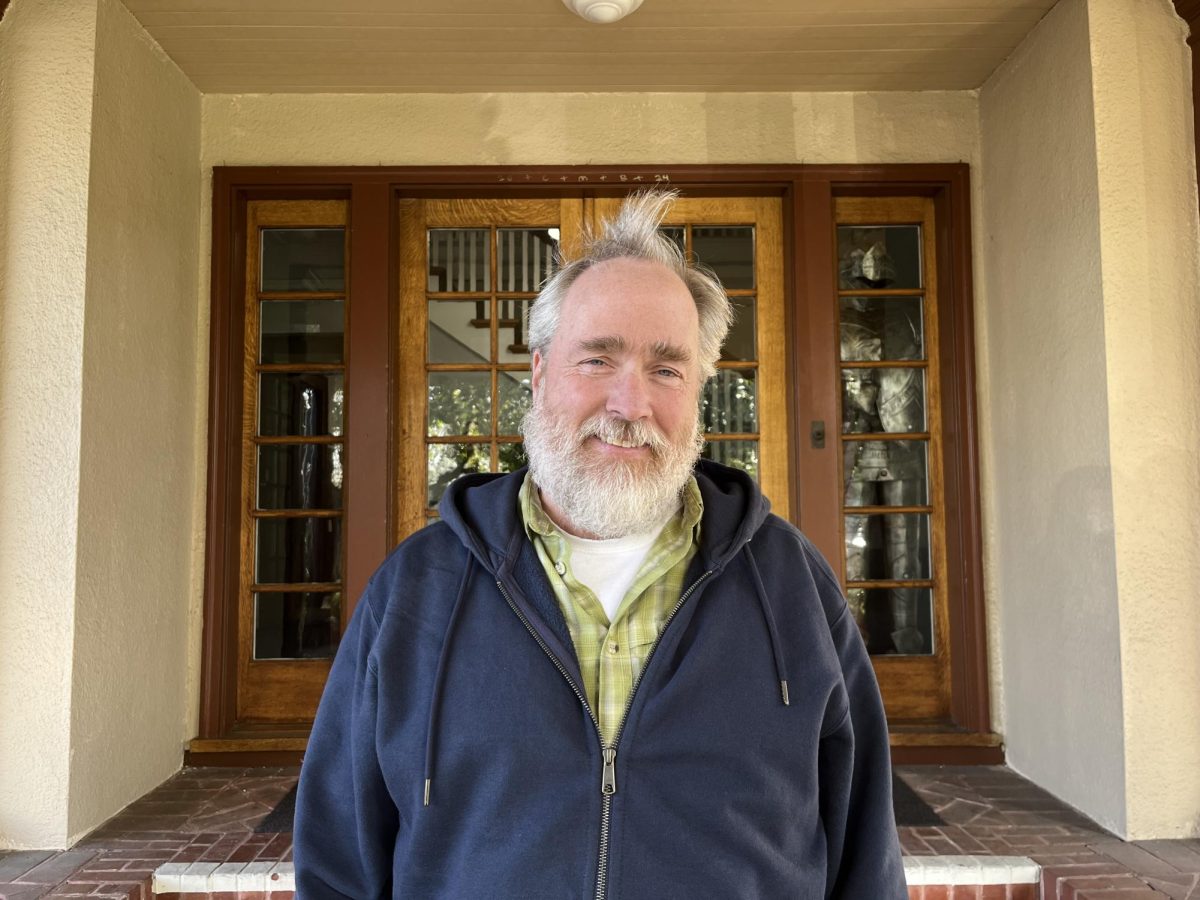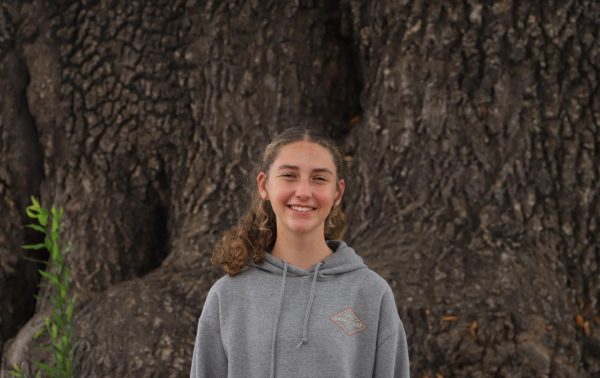


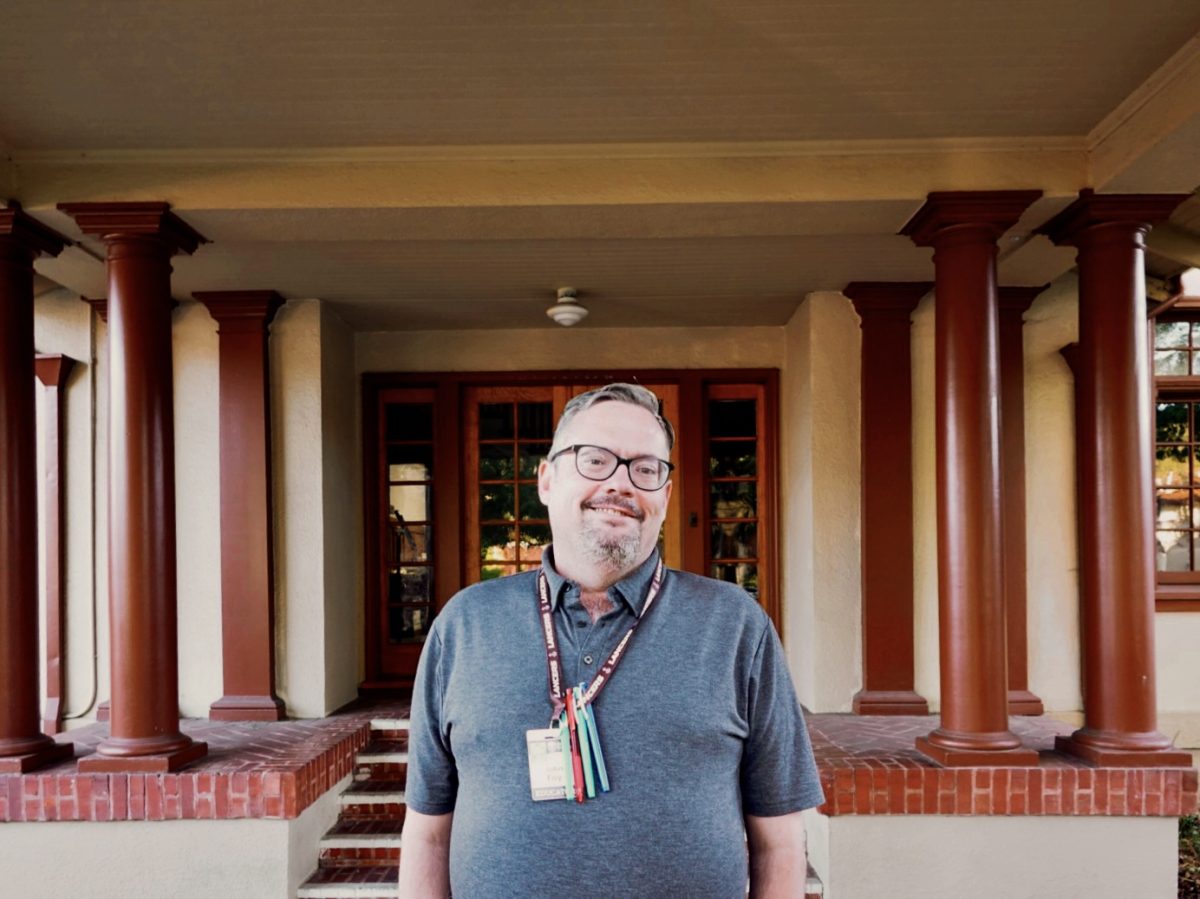


































































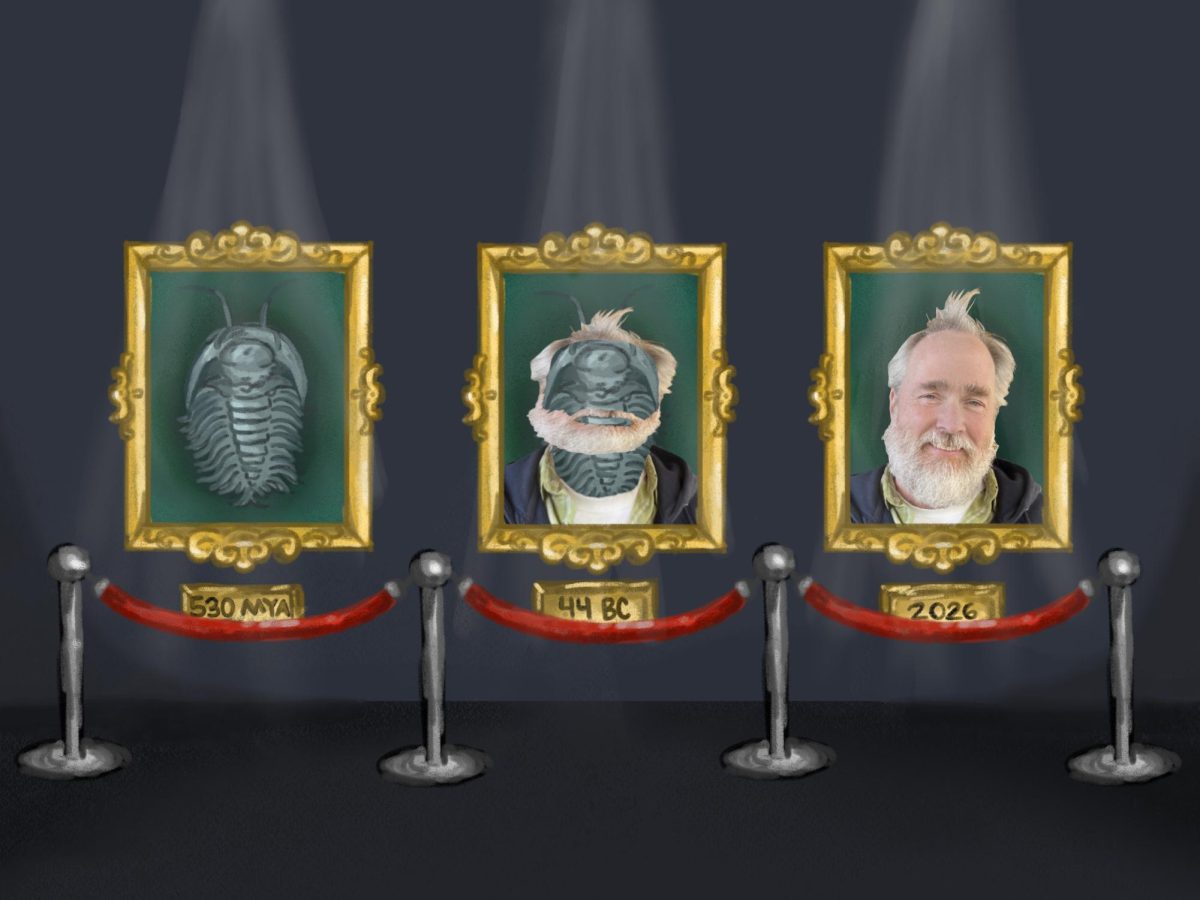

Mr. John Foy teaches AP World and AP US History. He may be most well known among his students for his discussion-based teaching style and class sticker competitions. Over his 17 years as a Saint Francis educator, Mr. Foy has also taught Government, World History, AP European History, and Global Citizenship. He is also the assistant coach of the Saint Francis debate team and a moderator for the Middle Eastern Student Union and History Club.
The Lancer: When you were a student in high school and college, what was your experience like?
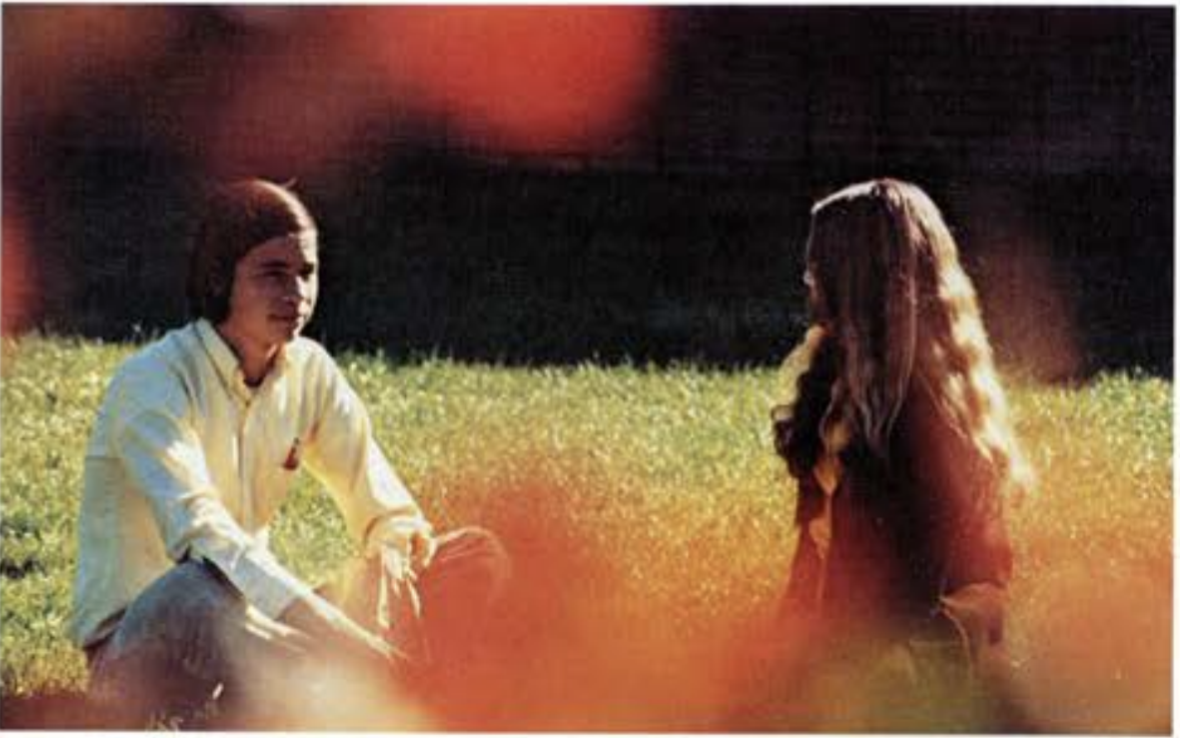
Mr. John Foy: I really, really liked to read, but I didn’t like going to class very much. So, my experience as a student was doing a lot of reading and thinking about the topics that were presented in class, but, to be honest, in college, I did not attend very much class. I was gone a lot. It was a constant problem. I was getting bad grades because I never showed up to class.
TL: Where did you grow up and go to high school, and then where did you attend college?
JF: I went to high school in a place called Alliance, Nebraska. I did fine there because it was a really bad school, so you could kind of just read stuff walking in the door and you were okay. And then I went to college at a place called Eastern New Mexico University, and then later at the University of Wyoming for graduate school.
TL: What activities were you involved in during high school and college?
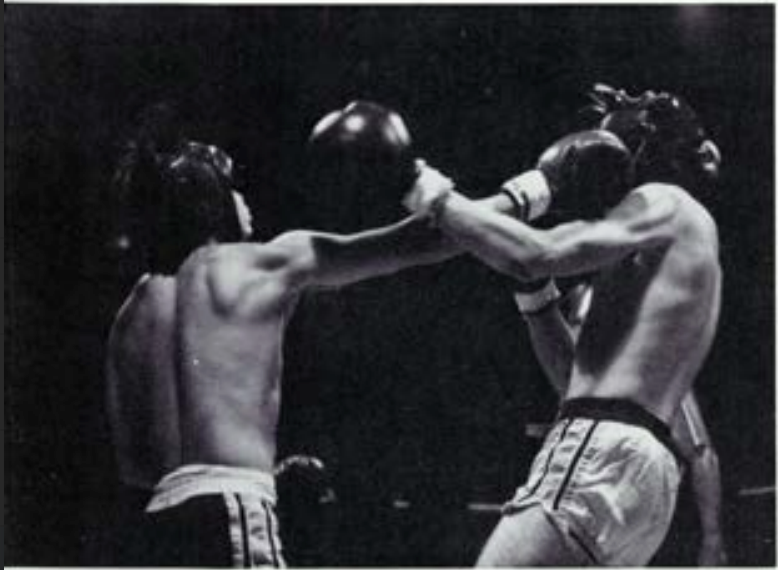
JF: Debate. I did competitive college policy debates, so it was a 40-50 hour a week endeavor, just doing research, practicing, and writing things. That’s pretty much all I did in college. In high school, I’m from a really small town, so I played football, I wrestled, I ran the mile, and threw the discus and shot. I was in the marching band and student council. Because in a little town, you could be in everything.
TL: What led you to become a teacher? Was it something you always knew you wanted to do, or more of a gradual realization?
JF: I was a college professor before I was a high school teacher, and I taught public speaking courses. And I coached debate. And people really hate taking public speaking courses, so that wasn’t very rewarding. And a friend of mine asked me if I’d like to come teach in a high school, and my parents were high school teachers, and they really enjoyed it, and I thought maybe I would enjoy it too. So, I was like, “Okay, well, this whole, being a college professor thing kind of stinks, so maybe I’ll give that a try.”
TL: How did you end up teaching history?
JF: I actually asked to be a religion teacher when I first came to Saint Francis because I had recently returned to the Catholic faith, but I don’t have a background in it. And so what they did was, they looked at my transcripts and said, “You look like you’re gonna be a social studies teacher.” I’ve always been interested in history, so it was a good fit.
TL: What makes Saint Francis special to you as an educator, and how do you think that reflects in students’ experiences?
JF: When I came to Saint Francis, I found a home to be in, more or less for the first time in my adult life, where I felt like the leaders cared about me, and my colleagues cared about me, and my students cared about me. That meant a lot to me. I honestly had never been a part of a community that was like that. And so, coming to Saint Francis was like an apical event, it marks a transition from being one kind of person to being a better person. And I hope maybe that shows a little bit when I teach students, but I like you guys and I like to spend time with you.
TL: What is the most rewarding and most taxing part of your job?
JF: The most rewarding part is dealing with you guys. I like spending time with students. Kids are cute and funny and fun. One of the taxing things, of course, is that. It takes a lot of energy, and I’m kind of an introvert. So at the end of a day, when somebody asks you the same question the 30th time, or wants you to look at their thesis statement, it can start to wear you out a little bit.
TL: What is your teaching philosophy and how do you exemplify it in the classroom?
JF: If students are shown how to do everything all the time step by step, and there’s no possibility that they can really get it wrong, and they always understand exactly what they’re supposed to do, they’re probably not learning very much. A lot of learning is about struggling with difficult concepts and difficult processes, and supporting people through that struggle, but also not structuring or scaffolding it in a way that it’s not challenging. It should be. So a lot of times it takes the form of looking at a question, and students thinking about it, maybe even talking about it in groups. Then coming around and me talking about my thoughts about it. But then gradually kind of releasing people to think their own thoughts. And I’m not adding anything to that conversation. So I kind of like doing things together at first a lot, and then students being able to do that by themselves over time.
TL: What advice do you have for students who are unsure of what they want to do in the future?
JF: Nobody’s sure what they want to do in the future. In fact, we don’t know anything about the future. Out there in your future is some destiny that’s pulling you to it. It’s not just your choices that matter. You’ve got a place where you’re supposed to be in the world, and you’re gonna end up there, and that’s a wonderful thing. You should embrace the fact that you’re not in control of that.
TL: Now we have some lightning-round questions. What’s your favorite TV show?
JF: Would I Lie To You? It’s a British TV show.
TL: What is your favorite historical period, and what is one time period you wish you knew more about?
JF: My favorite historical period is the medieval period. And a time that I wish I knew more about, actually not time, a place—I wish I knew more about Asian history, especially ancient Asian history.
TL: What is your favorite, or the best, quote said by a historical figure?
JF: There’s a Civil War general who said, there was a sniper shooting, and he said, “They couldn’t hit an elephant from here,” and then he got shot by the sniper. I like that quote a lot. It shows that we’re all idiots.
TL: What is the most recent book you’ve read?
JF: I read a book called The Tunnel People, about homeless people who live in tunnels underneath New York City.
TL: What is your record for most Diet Cokes in one day?
JF: I probably drank as many as 18 Diet Cokes in a day.
Responses have been lightly edited for length and clarity.