









This article contains spoilers!
Filmmaker Dario Argento says, “Horror is like a serpent; always shedding its skin, always changing. And it will always come back. It can’t be hidden away like the guilty secrets we try to keep in our subconscious.”
The horror genre is either loved or scorned by the general public. Some enjoy the thrill of the buildup and punch of the jump scare, while others deem it to be too gory or cliché. In the past year, horror has made a great resurgence. It dominated the box office and pop culture with Obsession and Backrooms. This revival is also present in horror books, which have recently shifted out of their 2010s patterns. These changes provoke intriguing questions: what themes and patterns in new horror have captivated audiences? And how does society influence entertainment?
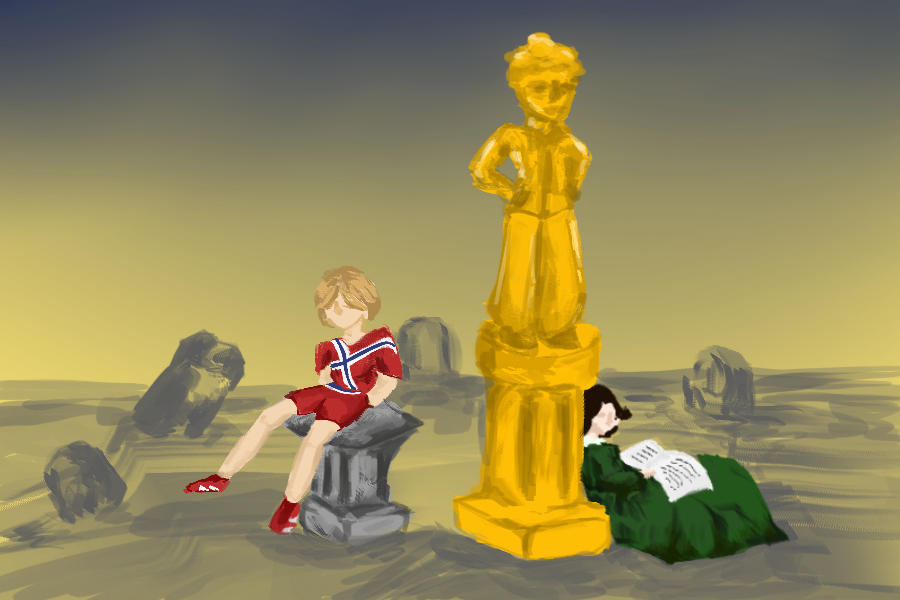
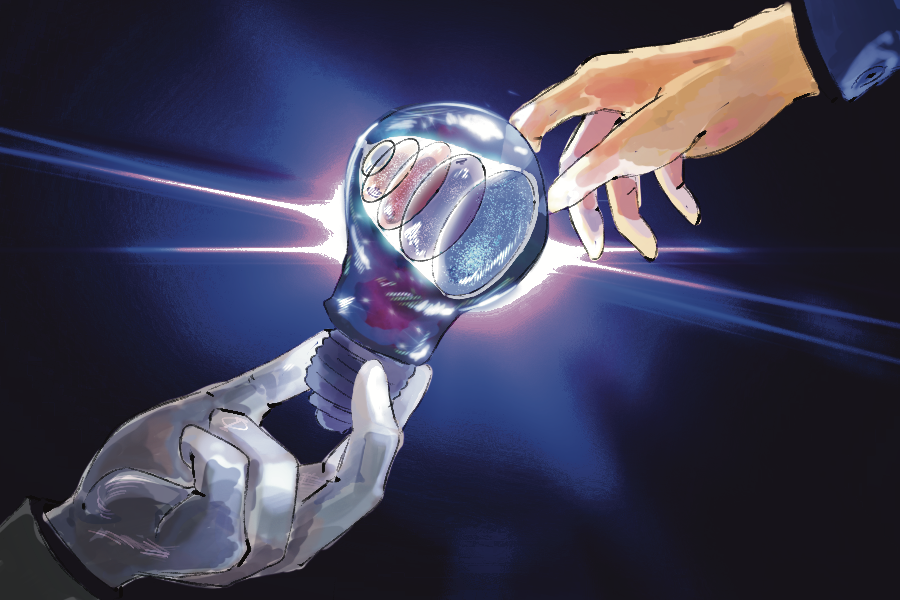
Horror has always been a genre that critiques societal norms and human behavior. Moving past exaggerated stereotypes, Obsession invites the audience to think more deeply and analyze the characters and how their actions reflect real-life scenarios. In the film, Bear struggles to confess his feelings for his friend Nikki, and wishes through a magical device called a One Wish Willow that she would just fall in love with him. He wasn’t expecting his wish to come true and go terribly wrong. Nikki’s crazed infatuation with Bear and her general mental instability leaves the viewer extremely uncomfortable. The moral dilemma of the One Wish Willow and Bear taking away Nikki’s free will incited a conversation across social media about consent and substance manipulation.
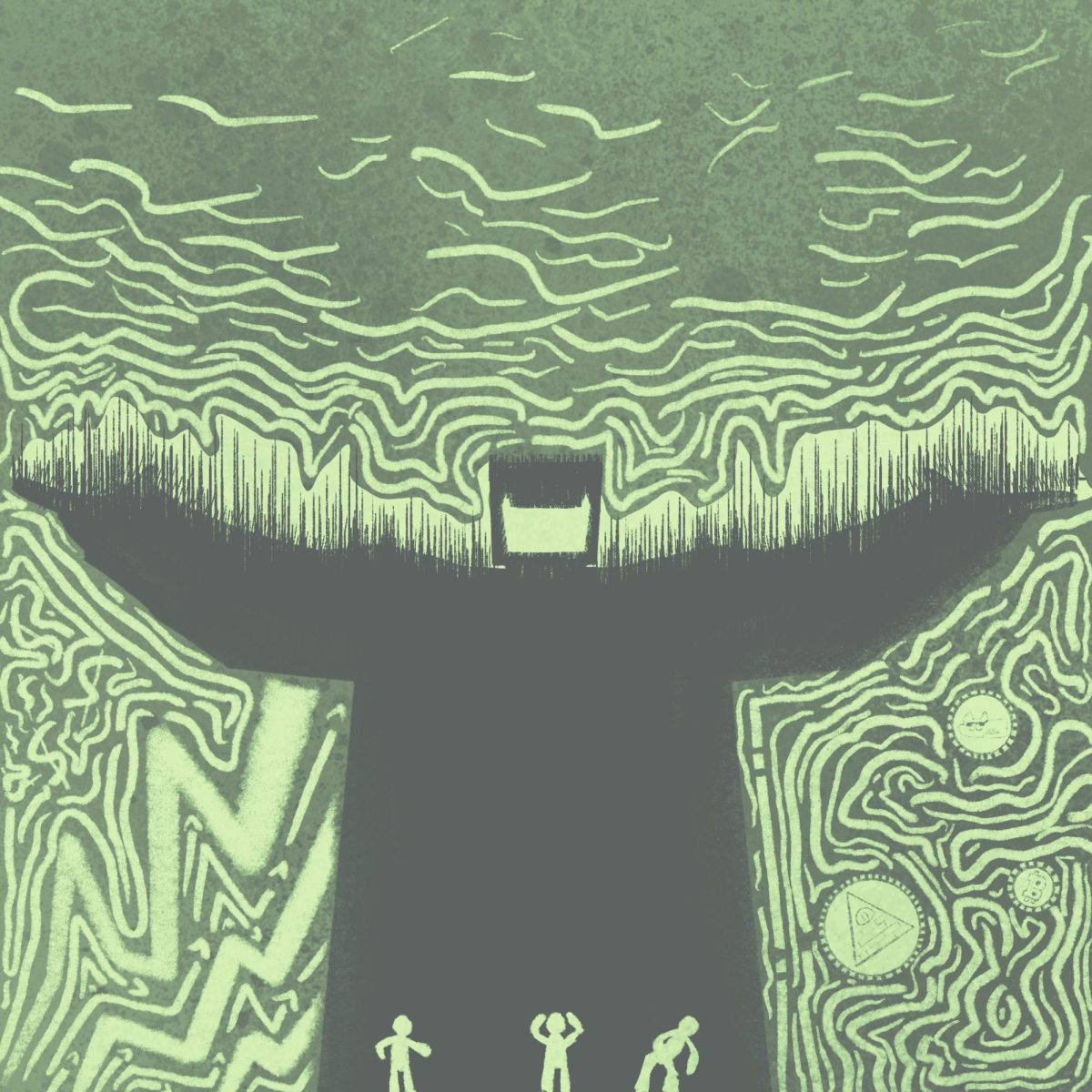
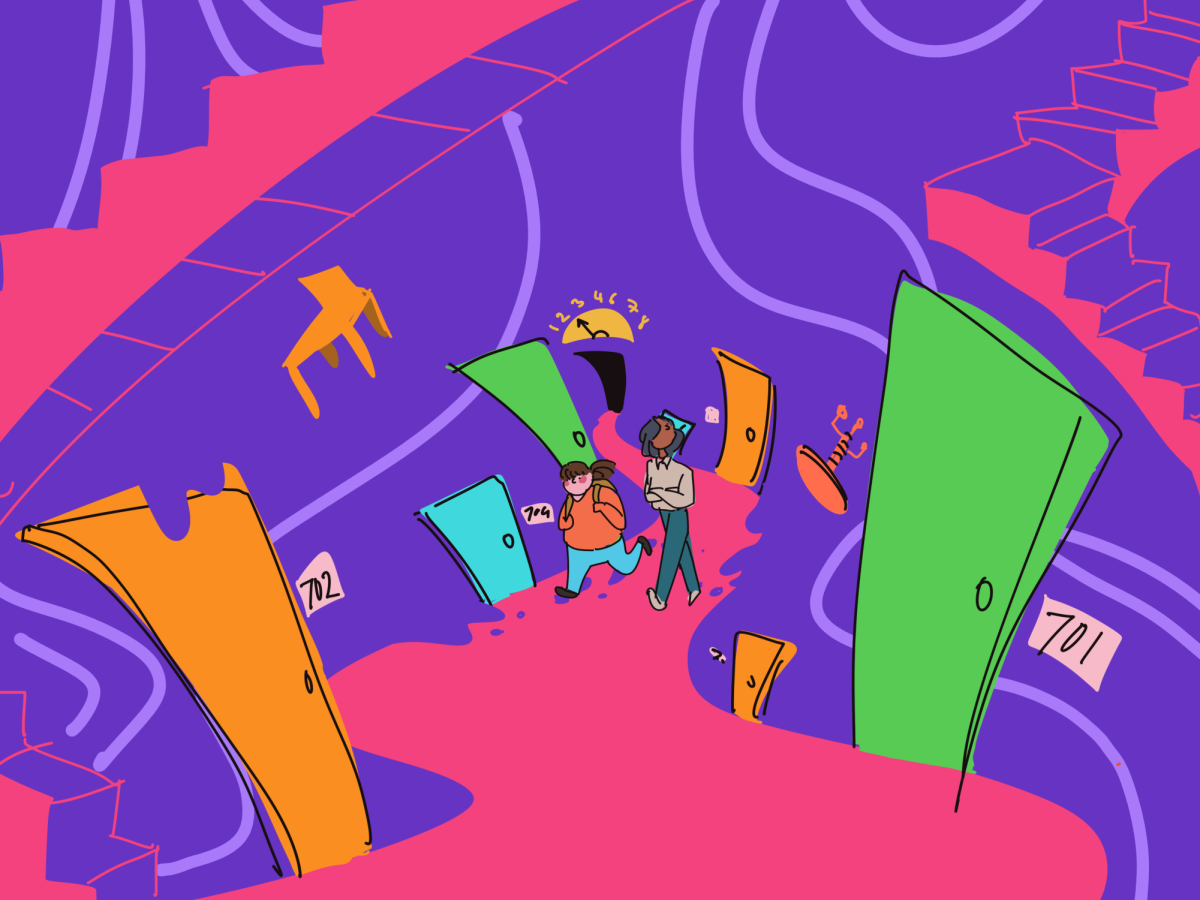
In Backrooms, the main character Clark, a failed architect and business owner, finds a portal to a warped dimension. He ends up finding comfort and a sense of pride as he isolates himself within the walls, eventually going insane. His toxic and destructive nature develops into a beast of its own tormenting him and the people around him. Clark’s character deterioration mirrors rising mental health awareness and how people, especially younger generations, struggle with loneliness and the constant onslaught of comparison through social media.
When it comes to written works, the newest trends have actually revamped horror novel elements from the early 2010s. You may have heard the phrase, “2026 is the new 2016,” and the sentiment applies in this case as well. Some of the most common and overused horror tropes, like vampires, ghosts, and possessed objects, have originated from gothic literature. These elements were extremely popular in the early 2010s with works like The Quick or The Girl from the Well. These tropes are being brought back, but center more around women, people of color, and the LGBTQ+ community. For example, Jennifer Kiefer’s Crafting for Sinners follows a queer woman who must fight for her life using arts and crafts supplies after being trapped inside a megachurch-run craft store. Authors are capitalizing on the wave of nostalgia and romanticism of the 2010s to explore deeper themes in horror while providing the reader a sense of comfort.
On another note, in past years, horror books have gradually gotten shorter. However, recently readers have been buying longer books that catapult them into a well-orchestrated fantastical world. These over 400-page novels include the Thursday Murder Club, King Sorrow, and many more. As author Alma Katsu said: “Horror today speaks to a lot of readers because we’re living in a time of massive confusion and fear. Horror gives readers (and writers) a space to process the things they’re afraid of.” Longer books allow readers to understand their anxieties and issues by placing them in a fictional setting where those fears are brought to the extreme and dissected at every angle.
These new trends in horror films and novels as well as consumers’ reactions and interactions with them demonstrate how horror is a reflection of people’s emotions and the issues in broader society. It’s ever-changing, yet it still relies on the same core building blocks to keep us as the audience intrigued and solaced.