






















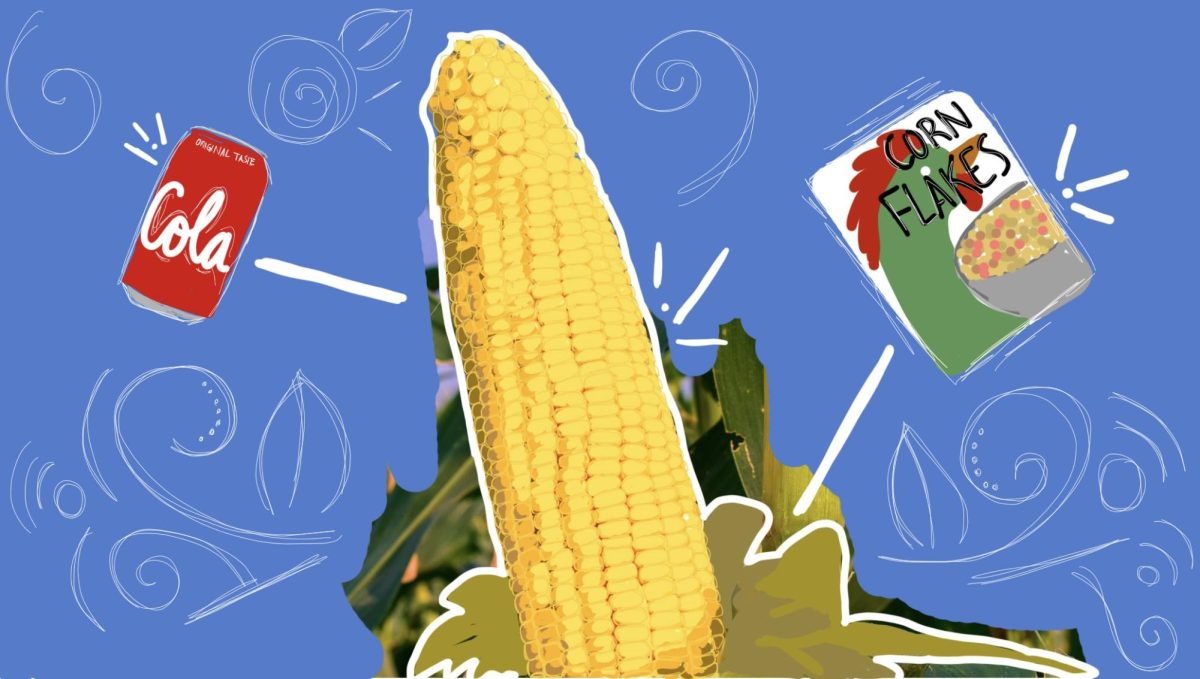
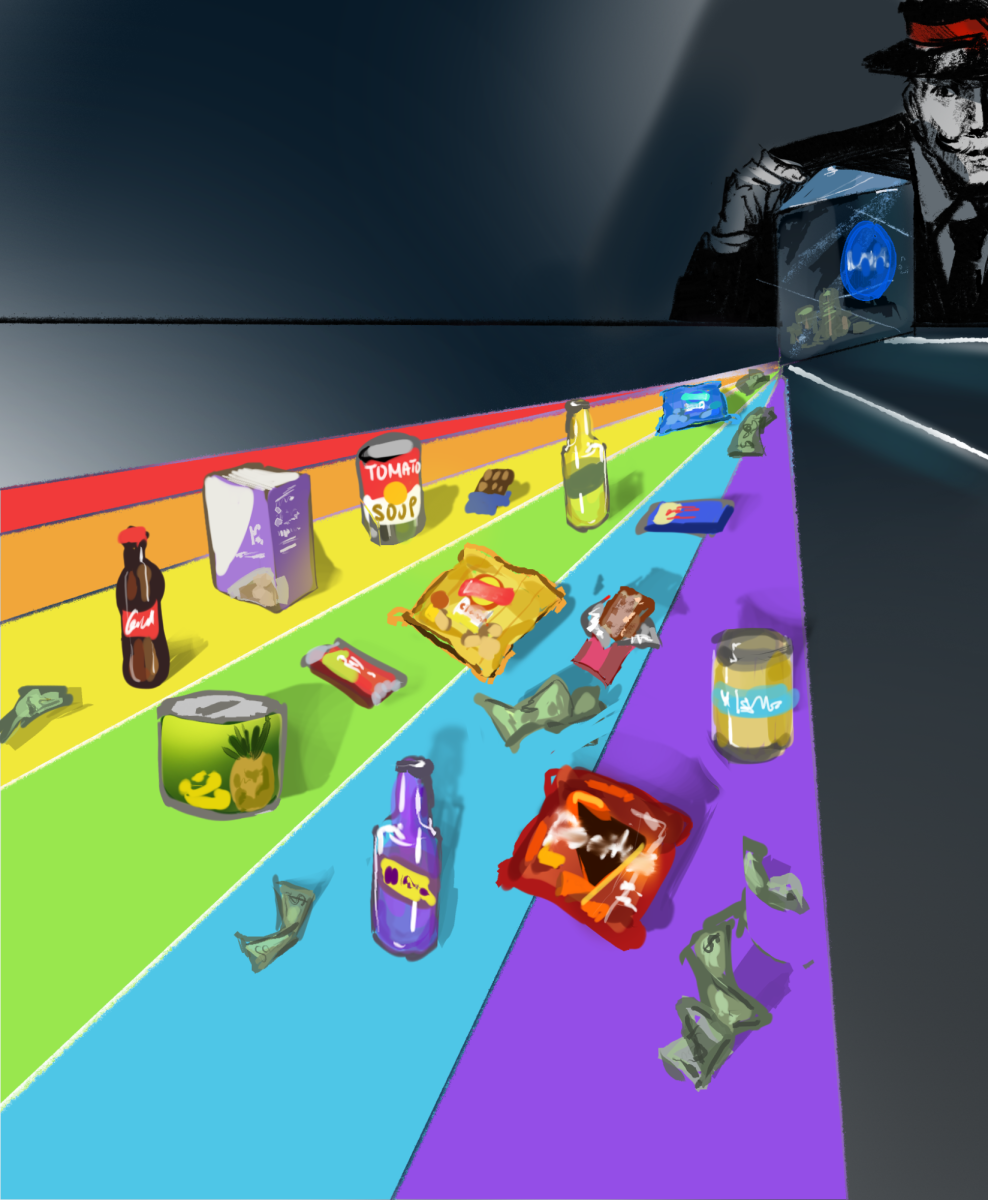






















































When walking through a grocery store, most of us do not think twice about where our food comes from. We pass hundreds of different brands on the shelves, each with its own unique logo and packaging. However, many of these familiar brands are actually owned by the same select group of corporations and influence many of the items Americans purchase every day.
According to Food Processing’s 2026 “Top 100 List”, some of the largest food and beverage processors in America include PepsiCo, Tyson Foods, JBS USA, Nestlé, Mars, Coca-Cola, Kraft Heinz, General Mills, Conagra Brands, and Mondelez International. This list ranks companies based on the sales of food and beverages produced in their facilities. PepsiCo is one of the largest companies on the list, while Mars moved up the ranks after acquiring Kellanova in 2025. Although these companies do not all produce the same kinds of food, their products can be found throughout many sections of grocery stores.
One of the biggest reasons why these corporations have so much impact is the vast number of brands they own. For instance, PepsiCo owns more than 500 brands, including Lay’s, Doritos, Cheetos, Gatorade, Quaker, and Pepsi. According to PepsiCo, its products are consumed more than one billion times every day around the globe. PepsiCo’s ownership of various brands indicates that while shoppers may feel like they are choosing between separate companies, many products next to each other on the shelf actually belong to the same corporation.
Mars provides another example of how quickly these companies can expand. In December 2025, Mars acquired Kellanova, uniting Pringles, Cheez-It, and Pop-Tarts under the same corporation that produces M&M’s, Snickers, Skittles, and Extra. According to Mars, its acquisition produced more than $65 billion in combined sales during 2025. This demonstrates how acquisitions and mergers allow major corporations to further expand into completely different grocery store aisles.
However, the impact of these companies goes beyond the brands they own. The US Department of Agriculture’s Economic Research Service reports that major corporations have increased their control over several parts of the American food market, including meatpacking, seeds, and food retail. In 2022, the 20 largest food retailers made up 65.2% of food sales at supermarkets, grocery stores, supercenters, and warehouse clubs. Such trends suggest that corporate dominance is not limited to producing packaged foods, but occurs across the food system from production to grocery store shelves.
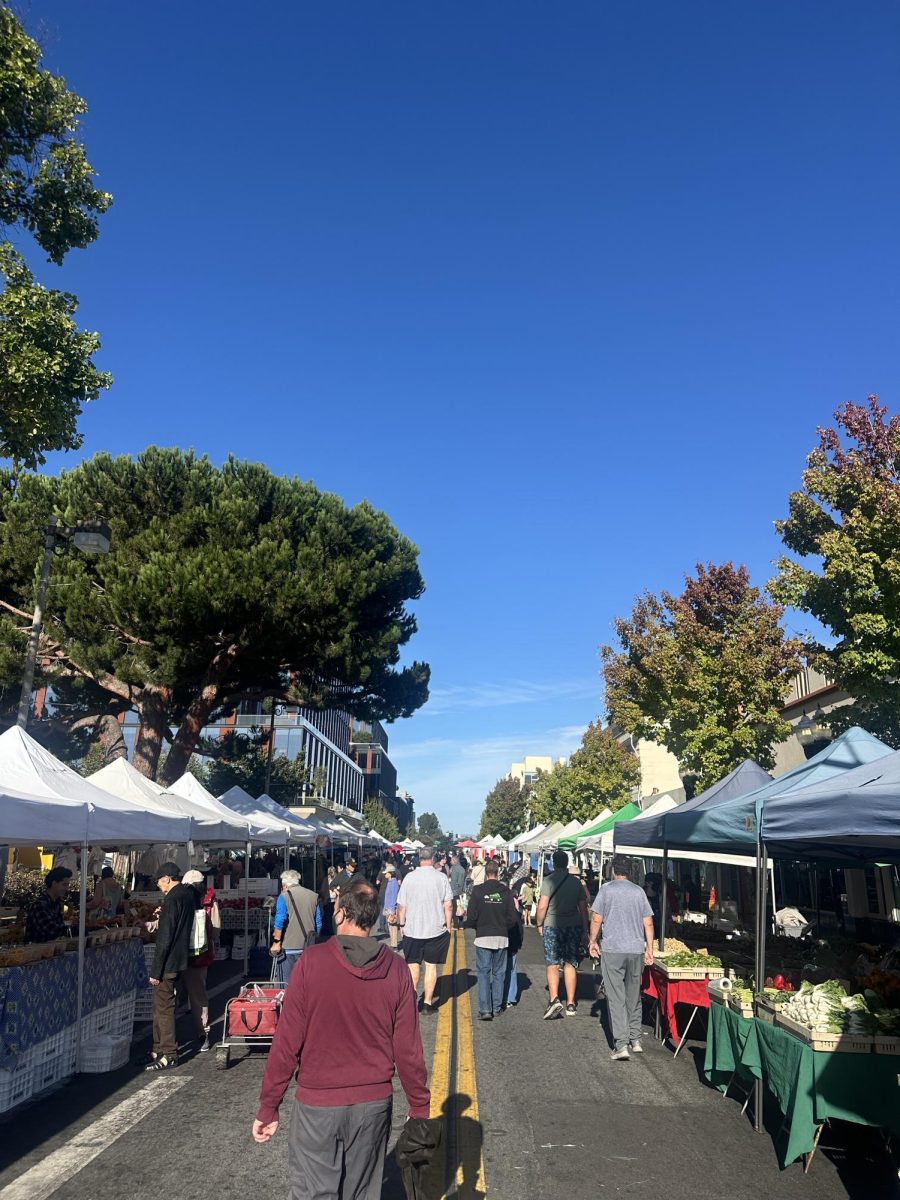
Although these food giants are incredibly powerful, Americans have many other options when deciding what to eat. Thousands of smaller food producers, restaurants, farms, and independent brands operate nationwide.
The next time you walk through a grocery store, look closer at the labels on the shelves. The packaging of every item may appear separate, but many of the food products that we see are produced by the same food corporations, showing just how interconnected the American food industry has become.