



















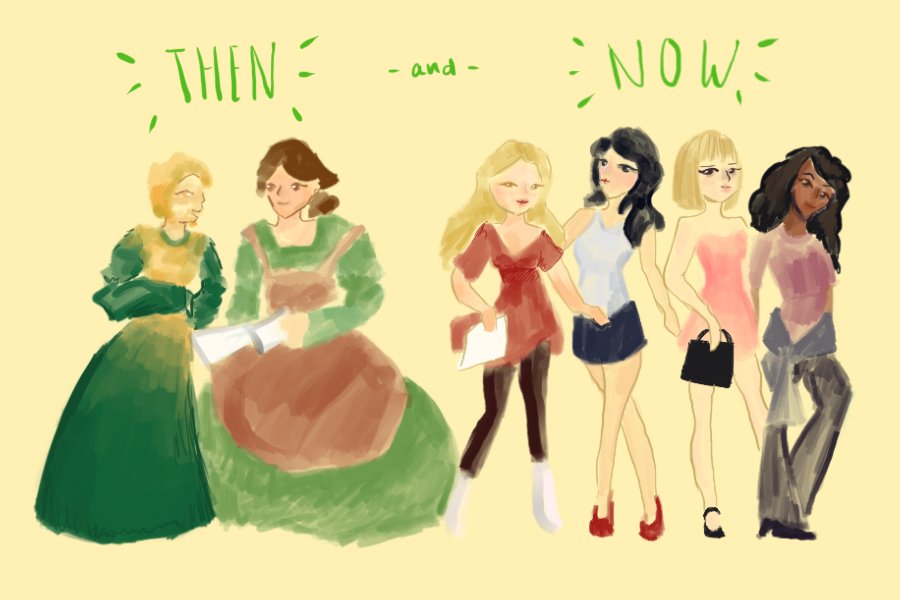

























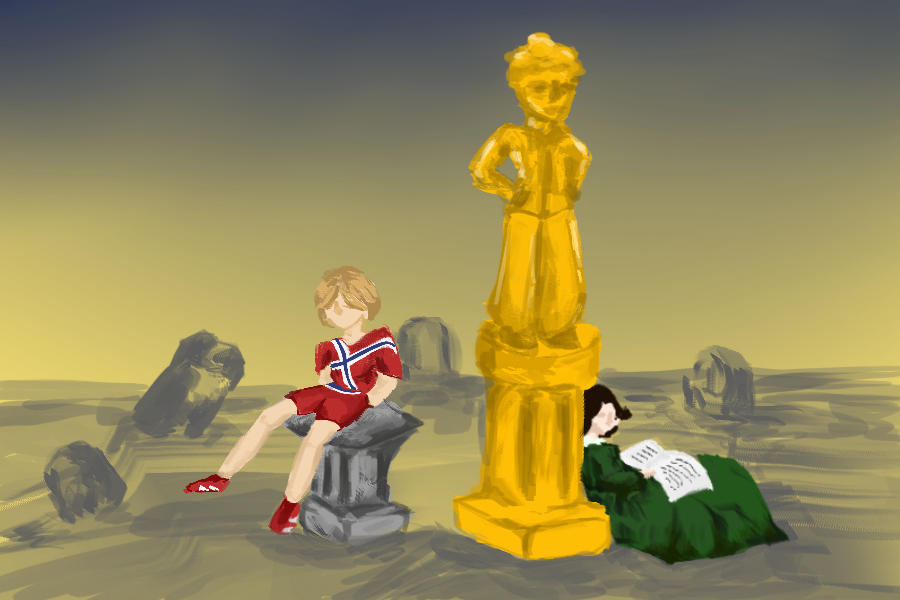




































Athens in 507 BCE has become ingrained in the minds of modern historians as the birthplace of democracy. This small city-state saw a radical political revolution and deposed an aristocratic regime. The dēmos, or people, finally collided with the kratos, or power, to merge into the first democracy. Pnyx Hill saw all the men of Athens congregating and directly voting on policy that would mold their future.
However, minimal inspection reveals how much of a misnomer democracy is for the Athenian political system. Half of Athens’s dēmos were still barred from participating in the process. Despite being equally capable, they remained sequestered within domestic life, treated as an extension of the estate of their tyrants. No, Athens was never a democracy; rather, by simply expanding the size of their aristocracy, it transformed into a political patriarchy.
While Athens might flaunt its so-called invention of democracy, it can hardly claim the title of starting the patriarchy. Throughout the world, many societies broke their populations into two parts: male citizens and female property. From the plains of Mesopotamia to the fields of China, patriarchy gained significance, silencing the numerous egalitarian and even matriarchal societies around the world. By the 18th century, democracy in any form was almost nonexistent, but patriarchy was enjoying its very apex.
However, by this era, an equally recognizable icon of the story of both democracy and patriarchy emerged: the United States, or, more precisely, Philadelphia. The city’s name, derived from Ancient Greek, translates perfectly to its founding ethos: “The City of Brotherly Love.” As prefaced by the name itself, the “brothers” who forged the American political system propagated misogynistic values, as through their unforgettable words, “[a]ll men are created equal,”—which conveniently forgot half of the population. Women were not only barred from voting, they were regarded as less than human. Once again, patriarchy had emerged, wearing only the thin guise of democracy to distract from its inherent contradictions.
Real democracy was not born in Athens and brought up in the cities of the East Coast—those were simply patriarchies. After all, the defining feature of a democracy is a system of governance by the populace, not a segment of the populace determined by whether or not they have a Y chromosome. To call the 18th-century United States or 507 BCE Athens a democracy is an oversight that discounts what a democracy means: of the people, by the people, and for the people—not of the men, by the men, and for the men.
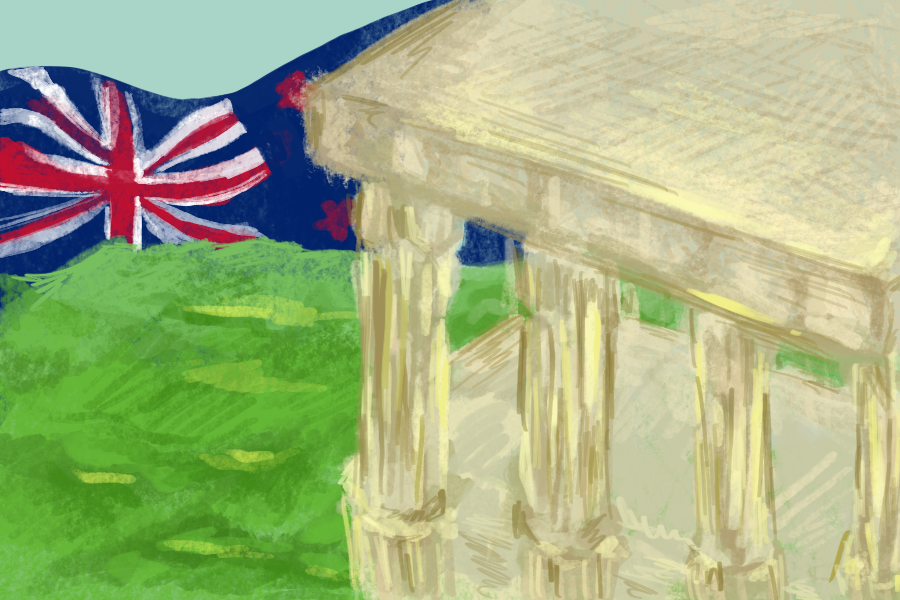
Therefore, we must shift our gaze to the true city that witnessed the birth of democracy: 1893 Wellington. By signing the Electoral Act into law on September 19, Governor Lord Glasgow made New Zealand the very first true democracy in the world. Lambton Quay proved to be the initial spark of democracy, with Kate Sheppard as the lighter. The feminist movement’s seamless integration into Enlightenment thinking allowed it to spread like wildfire.
However, the same United States that claimed to propagate democracy ended up being toward the tail end of this movement. Even as First Lady Edith Wilson was the stewardess of the Oval Office and practically running the White House, women around the nation would need to wait a year to vote. Capability was apparent, and yet rights were withheld.
Even as this article is written, women remain vastly underrepresented in government. Icons of the manosphere continue to rise to prominence, the ghosts of the dying Philadelphian and Athenian patriarchy. This shift in the understanding of what a democracy actually constitutes is key to our collective perspective on the health and trajectory of the American democratic experiment, or rather, the New Zealander one.