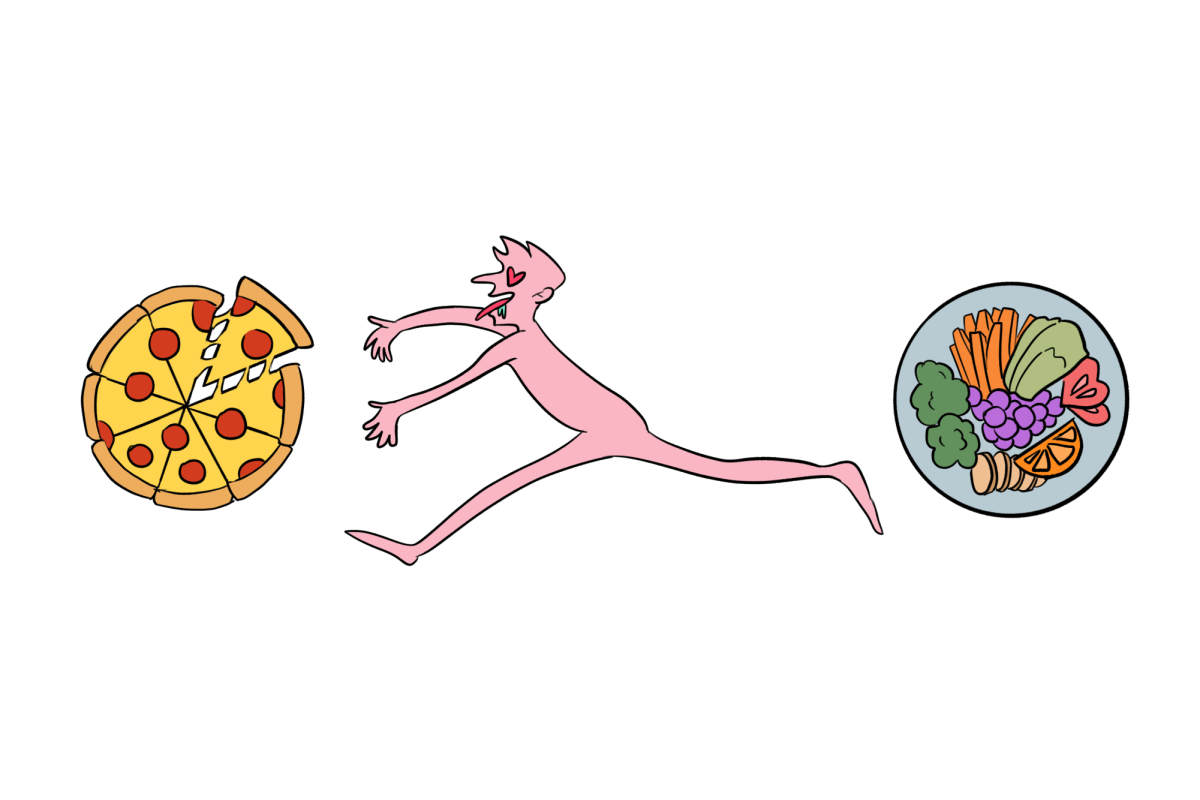














































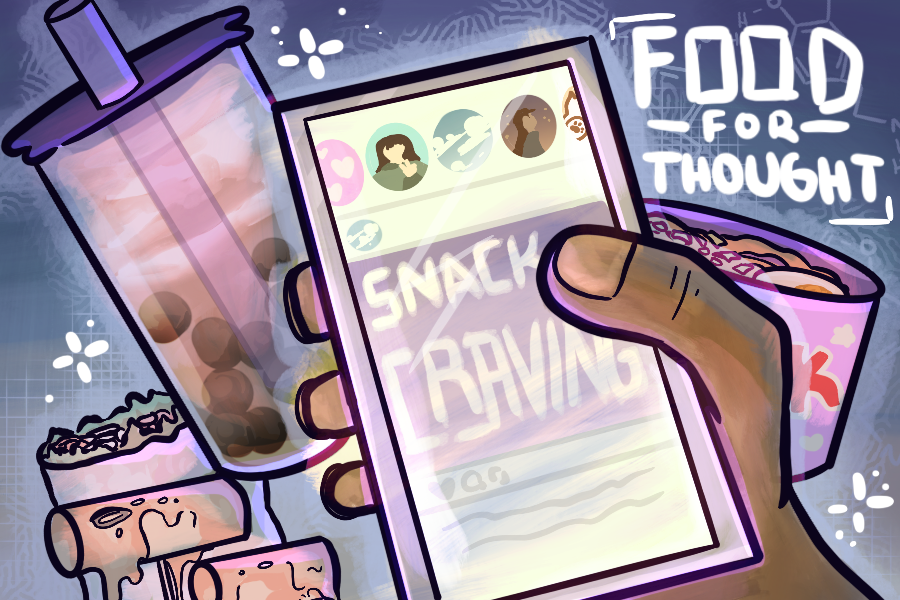























I have often noticed that when I’m bored or feel like I need to do something, I instinctively reach for my phone or head to the kitchen for a snack, or both. I know scrolling gives me a quick distraction, a hit of satisfaction. But food feels different. Unlike using my phone, it’s not just a way to pass the time; it becomes a solution when I’m looking for relief and comfort. Why is that?
This is actually a very common experience, and it’s one that is coded into our biology. At a fundamental level, cravings are shaped by an interplay between the brain, hormones, and the environment.
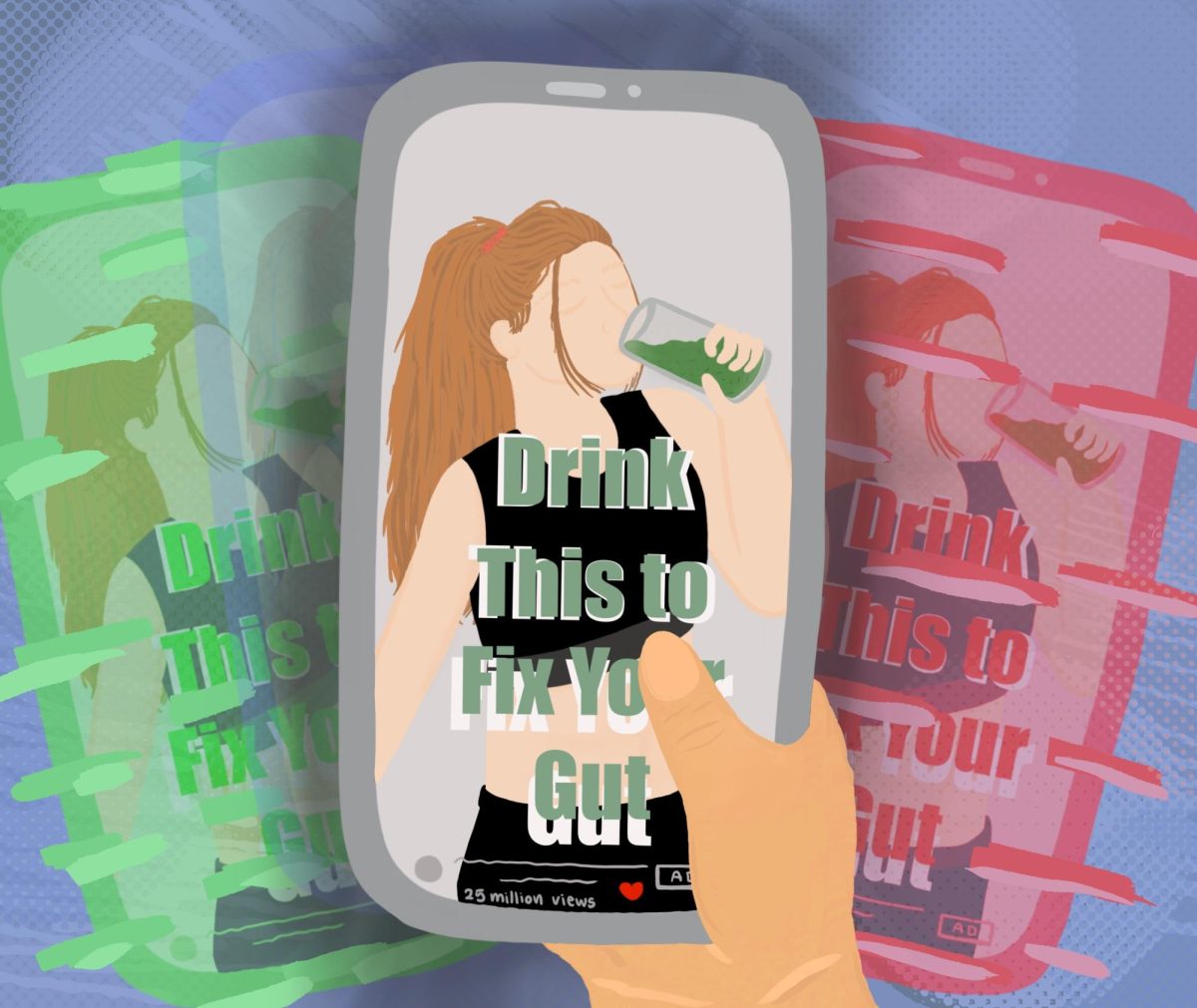
Similar to scrolling on your phone, eating (especially foods that are high in sugar, fat, and salt) activates the brain’s reward system. This system is mainly driven by the neurotransmitter known as dopamine, which is involved in motivation and reinforcement. When we consume highly palatable foods, dopamine is released in the brain’s reward centers, strengthening the association between that food and a feeling of gratification. Over time, this reinforcement actually makes us more likely to seek out those same kinds of foods again, even in the absence of physical hunger.
In addition to dopamine, stress also plays a major role in shaping cravings, largely via the hormone known as cortisol. When we’re stressed—whether it’s from boredom, anxiety, or discomfort—our body releases cortisol. The release of this hormone has been shown to increase appetite, particularly for foods dense in energy (again, those that are high in fat and sugar). This system often contributes to the cycle of “stress eating,” in which stress increases cravings and eating briefly relieves that stress, only for the stress to reappear and the cycle to restart.
Many other biological systems also play roles within this process, notably the hormones ghrelin and leptin, which interact closely with the cortisol and dopamine systems to influence eating behavior. Ghrelin, known as the “hunger hormone,” signals hunger and promotes eating when energy is needed, while leptin, known as the “satiety hormone,” signals fullness and helps reduce food intake. Together, they maintain energy balance through a complementary system. However, if these biological signals become unregulated, it becomes harder for the body to distinguish between hunger and fullness, increasing the likelihood of cravings.
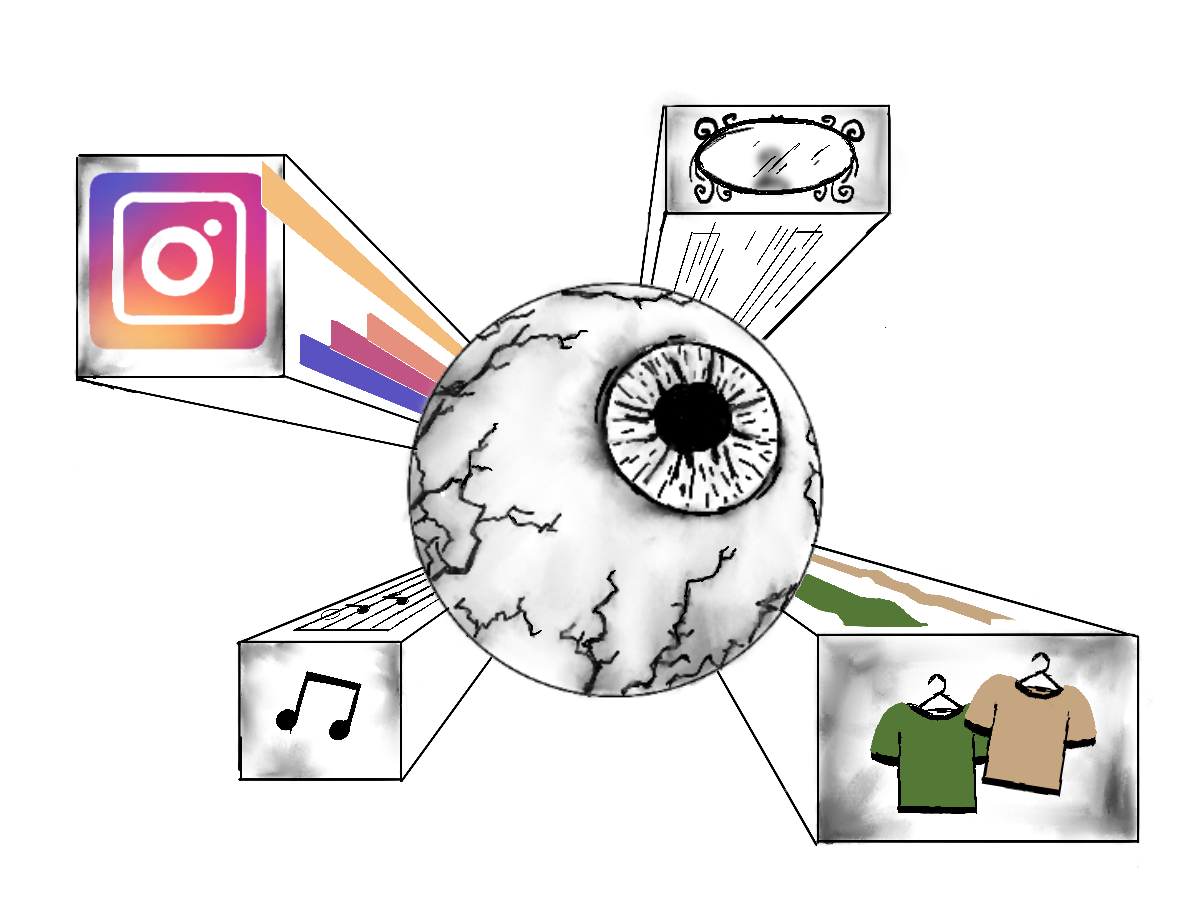
Finally, cravings can also be driven by our environment, rather than feelings of hunger or stress. As the brain is highly responsive to learned cues, things like sights, smells, memories, and even emotional states can trigger an experience-based prediction for reward known as an anticipatory dopamine release. Over time and repetition, our brain becomes conditioned to associate certain foods with specific feelings or contexts, reinforcing these cravings without our conscious awareness.
Ultimately, while willpower can play a role, cravings are not simply a matter of self control. They are the result of deeply ingrained biological systems designed to keep us motivated, responsive, and well-fed. In today’s environment, where highly palatable foods are often easily accessible, these same systems can make it easier to turn to food for comfort. Thus, rather than viewing cravings as personal shortcomings or failures, it can be more helpful to understand how these responses are wired into our bodies. Developing this awareness can make it easier to recognize patterns in eating behavior and respond to them with a better understanding of ourselves.