







































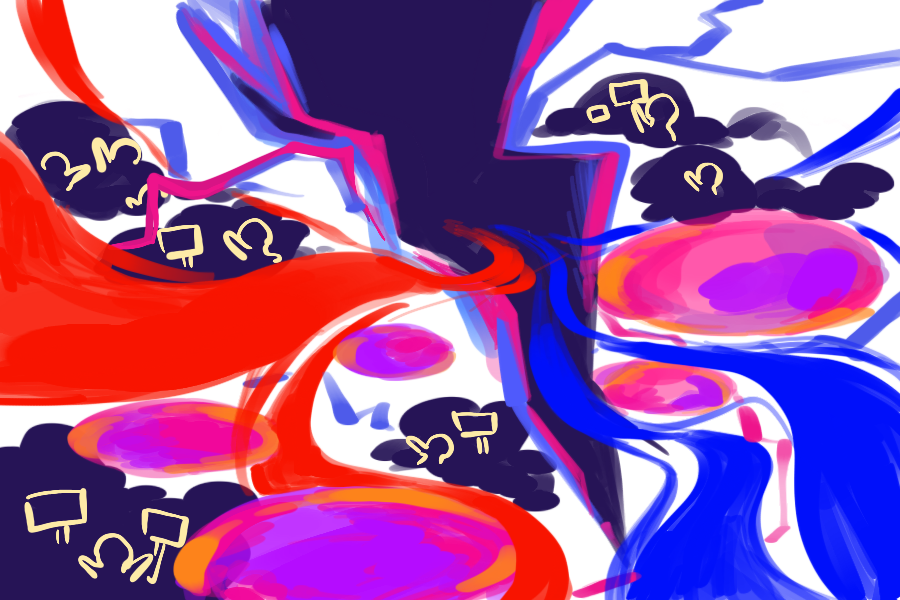
At times it seems that we are living in a world which is growing increasingly intolerant of difference. A world where religion, politics, identity, and beliefs preclude conversation and commonality. A world where we are told that there is this malevolent “other” that wants to destroy everything we hold dear and must be eradicated without pause or consideration. But it’s important to remember that this inescapably divided society is not necessarily the society that we as citizens have chosen. So let us ask ourselves, by who, and for what purpose are we so divided?
One culprit is the traditional media. Throughout the mid-twentieth century, the media was fairly unbiased, up until 1987 when the fairness doctrine—a Federal Communications Commission (FCC) policy that required television and radio broadcasts to cover all sides of controversial issues—was repealed. Almost immediately afterward, extreme right-wing talk radio emerged, with voices such as Rush Limbaugh at the forefront.
This momentum continued into the advent of cable news, with explicitly partisan networks such as Fox News and MSNow materializing to champion conservative and liberal agendas respectively. These radio stations and news networks are for-profit entities and would not have shifted away from the unbiased coverage that had proven to be a consistent formula for making profit without a clear purpose. So, what was the incentive for partisan reporting?
It is clear some motivation came from the private beliefs of those in control of these networks and organizations, but by and large the change was made to drive engagement and profit. Stories with strong partisan stances appeal to our cognitive biases, notably confirmation and negativity bias. Effectively, these stories are more successful because they either confirm what the reader already believes to be true, or shock the reader with negative headlines about other groups in order to provoke an emotional response. This leads to news feeds being filled with articles and commentary that confirm positive beliefs about one side of the political spectrum while simultaneously vilifying the other side. This of naturally leads to divergence from the political center and more disunity within the populace.
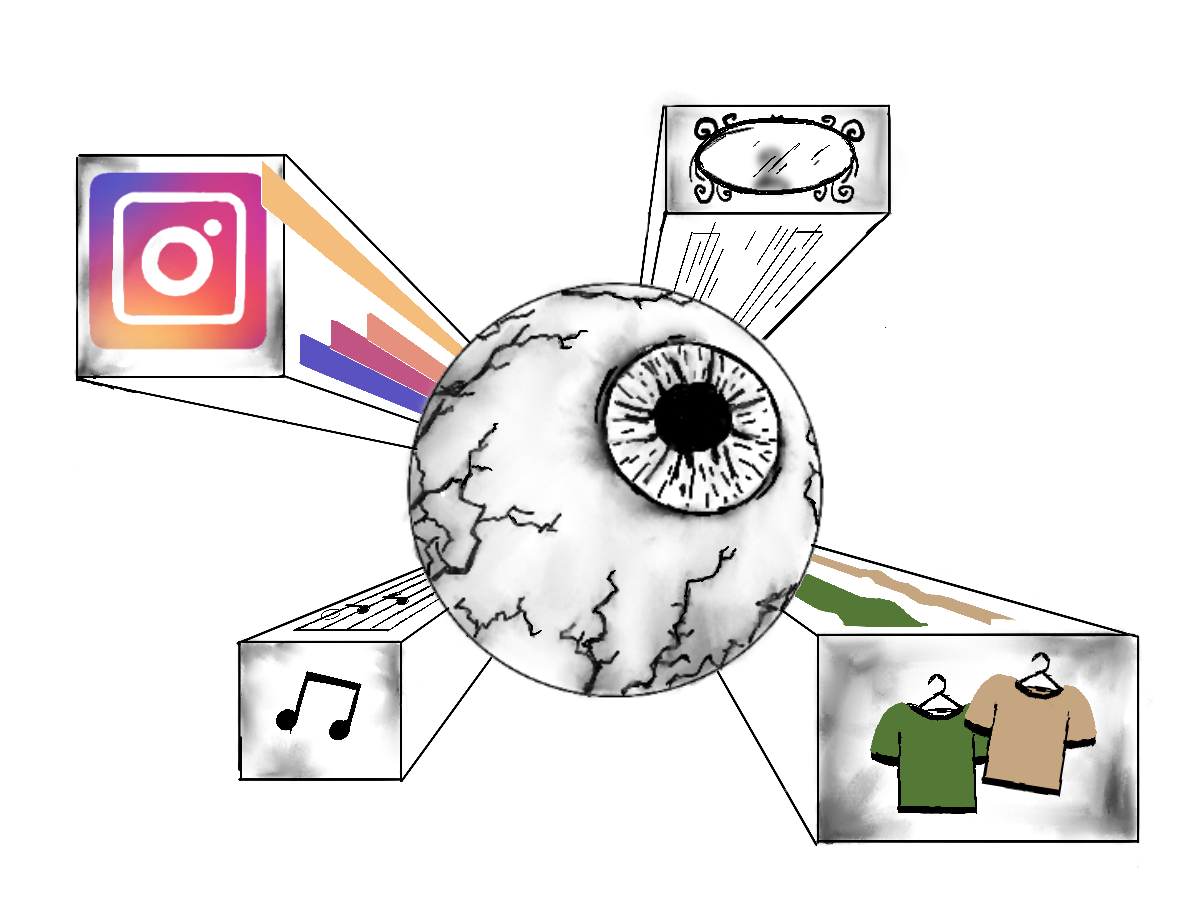
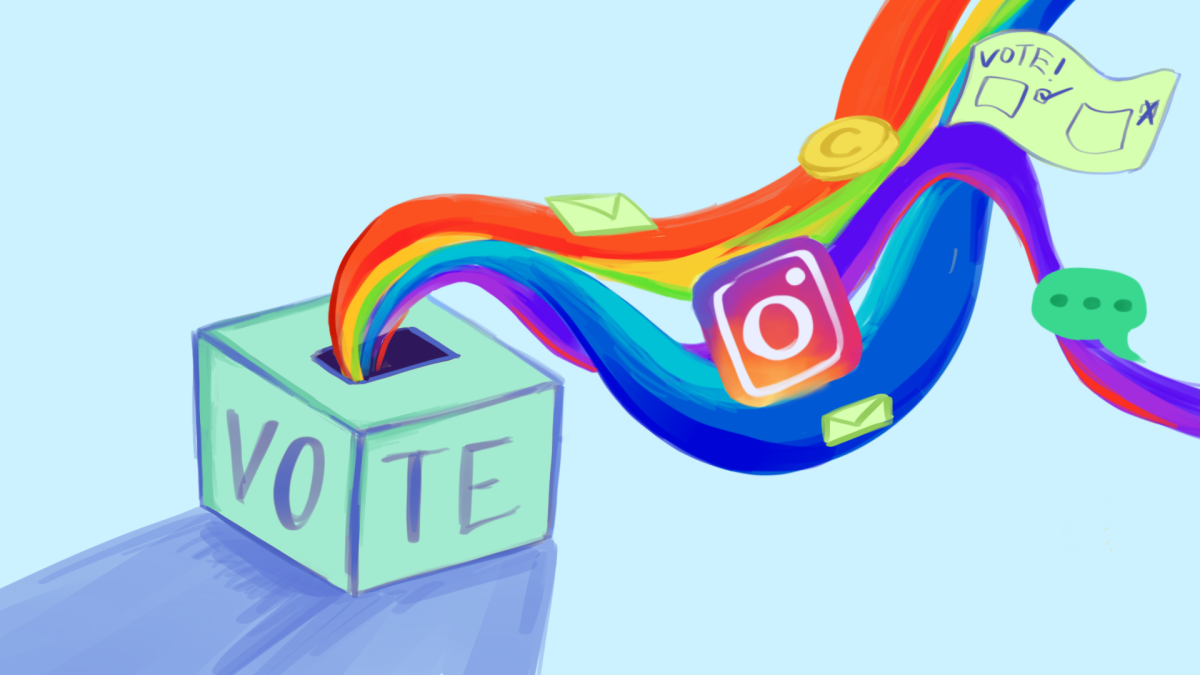
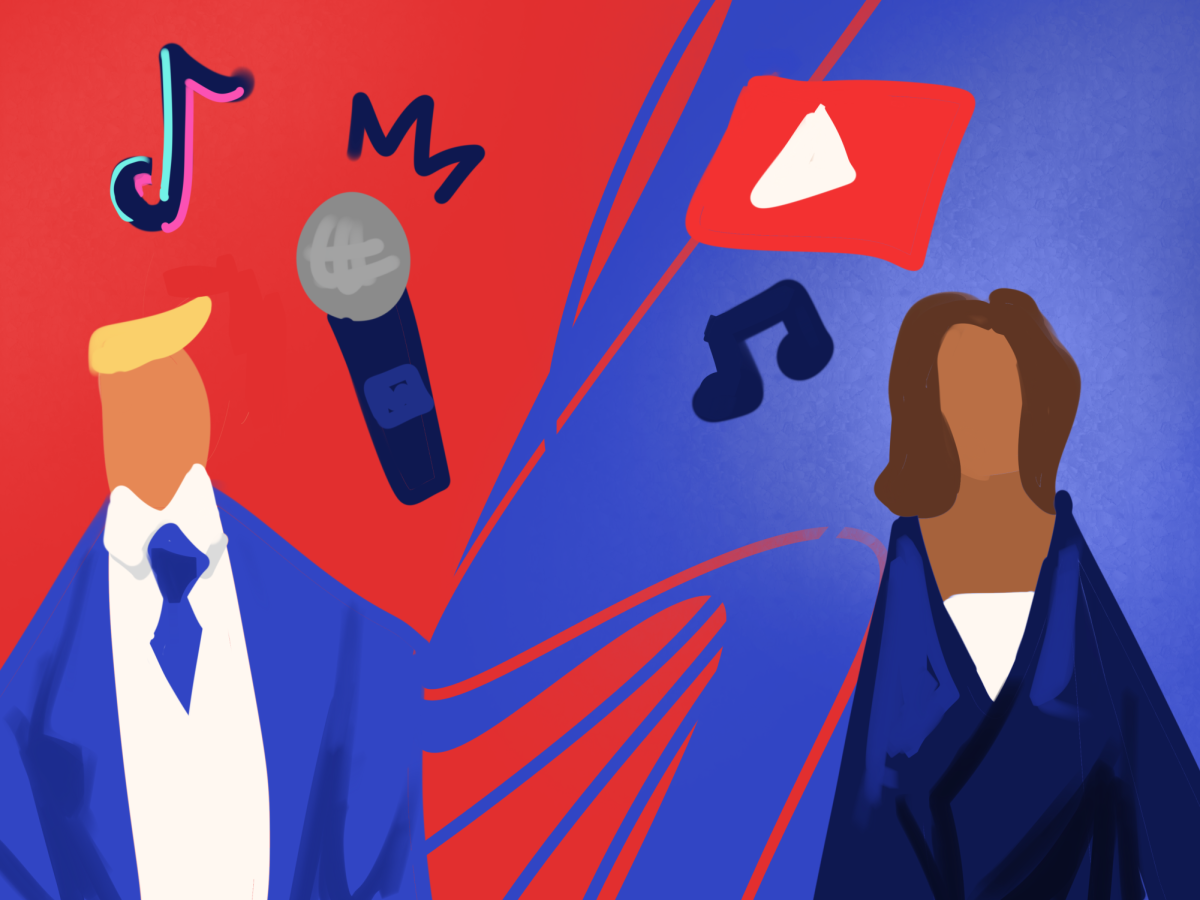
This problem extends to and is exacerbated by social media. Like traditional media, the way that social media platforms and creators generate income is through increasing site traffic and thus ad revenue. However, in order to achieve this engagement, many creators, particularly those who specialize in political content, have realized that outlandish, partisan, and extreme posts are the most effective way to do so. This is the inherent flaw with social media as a source of information: it rewards similarly biased content to that of traditional media, with the added pitfall that is less responsible verification of facts and expertise.
Traditional media, even those consistently screened by fact checkers and labeled as misleading tend to present information that, if not reliable, is at the very least somewhat based in fact. Social media has no such restriction. For example, as recently as March 3, an instagram post surfaced claiming to possess a list of American cities that Iran plans to target. This claim is fully incorrect and has been refuted by noted factchecking websites such as Politifact. This may seem like an innocuous error, but it fosters an environment of fear and pro-war sentiments.
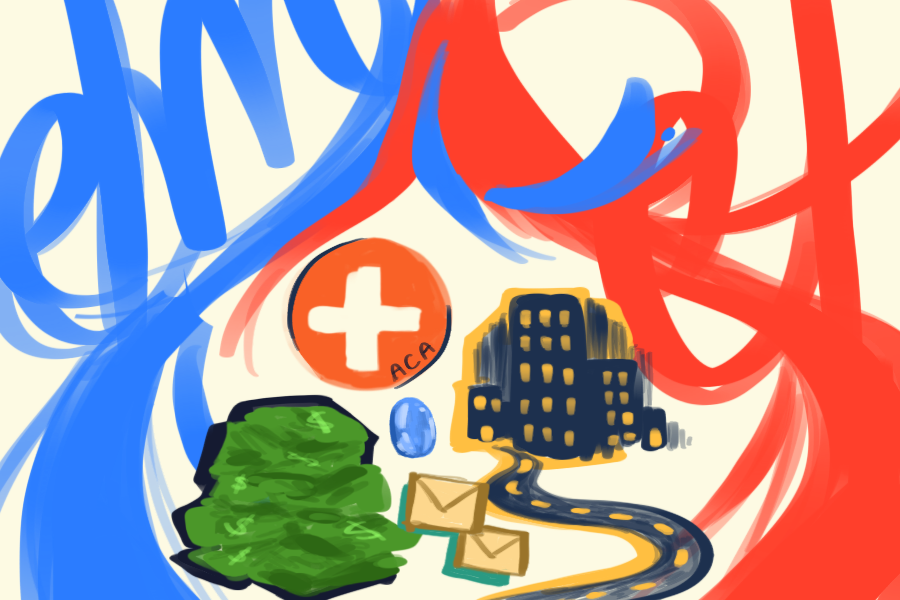
This problem of disunity is not solely caused by the various forms of media we consume on a daily basis. Another significant dividing force has been the very politicians we have elected to unite and lead us. What could politicians possibly stand to gain from further dividing an already fractured nation? In one word, power. As the media has shuttled people increasingly toward the opposite poles of the political spectrum, politicians have recognized this growing rift and have begun to use it to their advantage.
The past twenty years have seen the rise of “negative partisanship,” a phenomenon in which candidates encourage voting—less through proclaiming the virtue of their own policies, but rather through cultivating an intense fear and mistrust of the opposition. This creates strict party loyalty by portraying their own party as the far lesser of two evils. It is far easier to win elections by declaring that the opposition is defunct and amoral, further confirming what your voters already believe, and driving them further from the political center.
This sacrifice of bipartisanship in the pursuit of power has deepened the growing fractures within the sociopolitical conscience of the nation. Distrust of opposing parties and blind loyalty to one’s party has gotten so intense that 97% of registered voters refuse to break their party allegiance in elections, according to Pew Research Center.
You may notice one group conspicuously absent from those benefiting from divisive ideology in America. That would be you, dear reader: the people. The everyday citizens for whom this is all supposedly being done. We have allowed greed and a hunger for power on the part of politicians, companies, and corporations to drive us apart. But no matter how set in your beliefs you may be, you must recognize, this does not help us.
So what can be done? The answer is impossibly simple: talk to each other. To those who disagree with you, to those who you believe to be idiotic, stubborn, or insane. Many, when writing about disunity, will cite Abraham Lincoln, who famously said that a house divided against itself cannot stand. But I take it a step further. I believe that the house that is America has already fallen, and it is up to us to put it back together. And that can’t happen if we’re only working on our own side.