





































Last week, BRIC Brothers and Sisters hosted activities to spread awareness about the lives of disabled people. These events aimed to introduce the student body to the struggles that come with being disabled that most non-disabled people don’t consider in their daily lives.
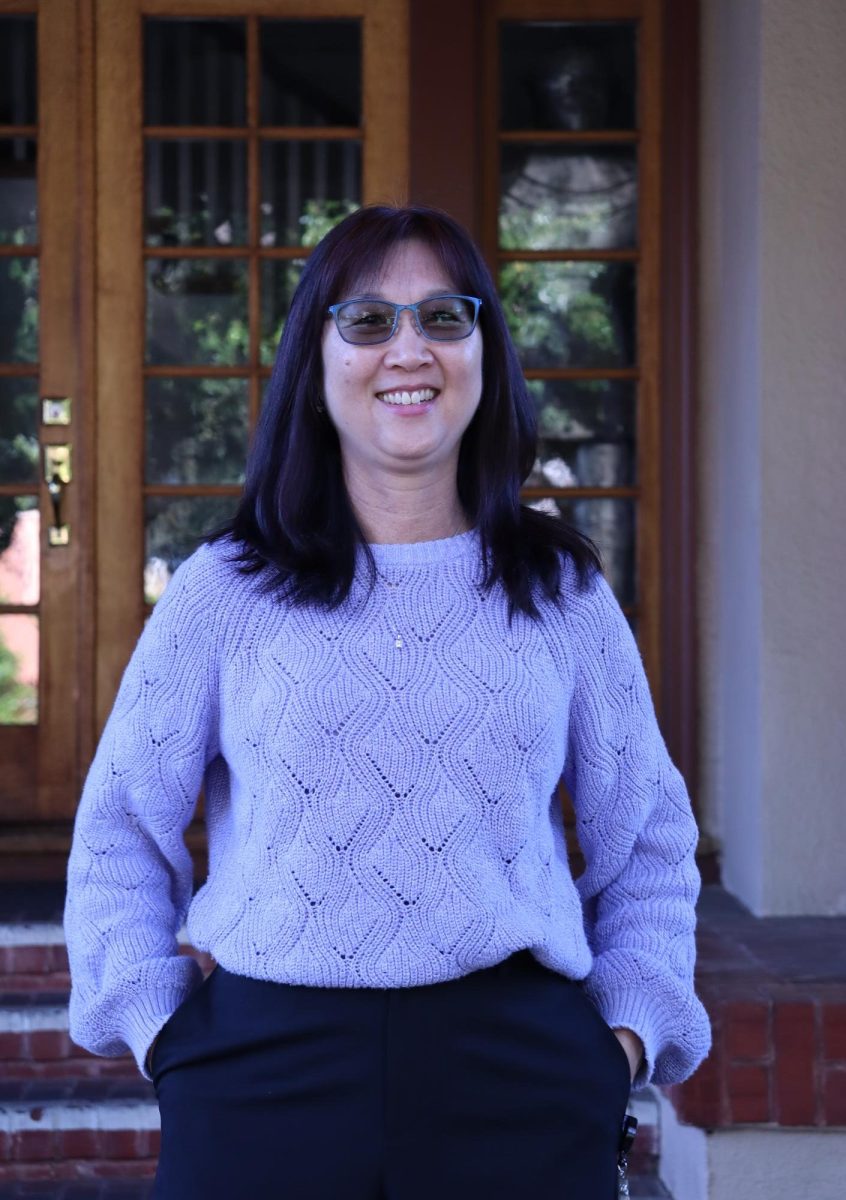
Ms. Mary Reilly collaborated with BRIC Brothers and Sisters to organize the events for Disability Awareness Week. She had the idea of creating and aligning the week with the Paralympic events that were occurring. “I’m really involved in sports and disability… I’m a swimmer and a biker, and I really enjoy it,” Reilly shared.
Being disabled herself, Ms. Reilly felt strongly about giving students with disabilities more options. “The more voices, the better. And I think things can become more enjoyable, the more people you have involved,” Reilly expressed. “When you have a disability, sometimes your world can become so limited. It can be really challenging to lose something you love to do. Seeing other people doing it and being invited to the table really opens up people’s minds.”
Sitting volleyball was the first event of the week, taking place during lunch on Wednesday. With pickleball nets in place of volleyball nets, students gathered to play volleyball in a different way than they were used to. Sitting down forced them to only use their upper bodies. Motivated to win, the students worked together to keep the ball in play despite not having the ability to move around the court. “Playing volleyball sitting down was way more challenging than playing while standing up, and it made us recognize how hard living everyday life would be for people with disabilities,” Saksham Srivastava (’29) commented. “Other people may not be as privileged as we are, and we need to recognize how hard others work as well.”
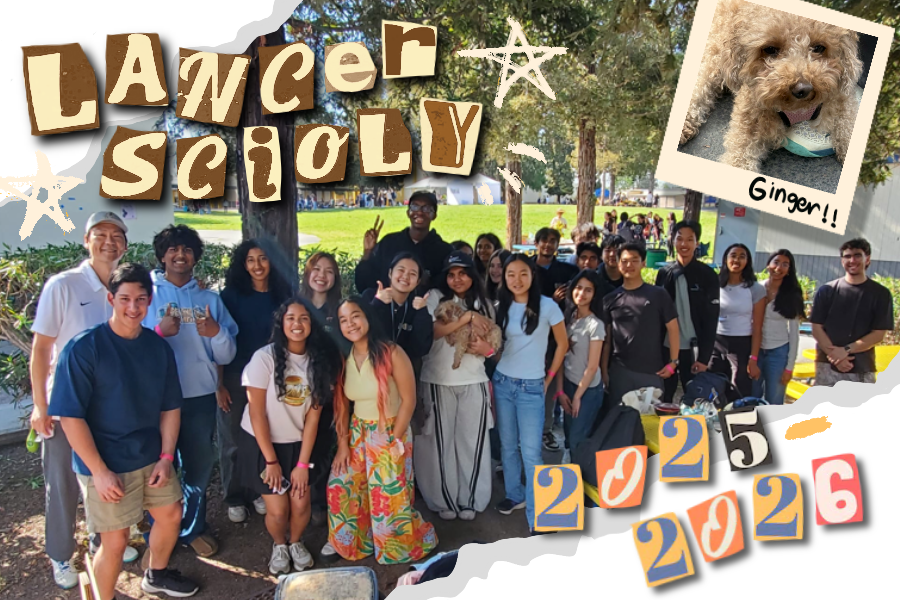
Canine Companions, an organization which has supported disabled students by providing them with service dogs, visited on Thursday. The dogs are specifically trained for assisting people with disabilities. “So many people need these service dogs, so being able to share it with the school and all the people that can help out is important,” voiced Maya Avnur (’26), who volunteers for Canine Companions with her family.
Students got to pet the service dogs during lunch. They talked to Avnur and other volunteers, hearing about the struggles people faced and how the dogs lessened those obstacles. “I learned that people who might not always have the right tools to go through life can gain something from them, and it’s good to meet people where they’re at and help them succeed with whatever they need,” Sunny Chakraborty (’28) remarked. “Raising awareness is super important for getting aid to people who need it, and once people get to know about issues that are kind of hidden away, it’ll be easier to help people.” Senior Zara Lucas also brought her own dog and shared her experience and perspective as a student with a disability.
The presence of Canine Companions on campus allowed space for students to interact with and listen to a unique aspect of the disabled experience. “I think it’s really cool, and I think that it’s awesome that kids can go to the dogs when they need something,” Matea Dwight (’29) observed. “It showed a little aspect of other people’s lives, and it brought a piece of their lives to us. I think it’s really cool to be able to connect to that.”
“I think it’s important because we learn from others. And if you exclude people, those voices get cut off,” Ms. Reilly said. “We’ve learned through our different students getting accommodations, which allow them to be awesome in the classroom, and without those supports they might not feel that way.”
For the final event of the week, Lancers joined together for a Paralympic watch party during collaboration. Students stopped by to watch, finding themselves inspired and impressed by the Paralympic athletes they saw. “I usually love watching the regular Olympics, and so I thought that watching the Paralympics would be just as cool,” Logan Partridge (’27) said. “It’s really cool to see that they don’t let their disability sort of impair them and that they’re still doing things that would even be impressive for people that aren’t impaired.”
Reilly hoped that hosting this event would inspire students and involve the community in granting further possibilities for those with disabilities. “Representation matters. When you see someone doing something,” Reilly declared, “it changes your whole life.”
The Paralympics allow athletes with disabilities from around the globe to compete on the world stage and showcase the resilience that society tends to underestimate. “It was really interesting that people with struggles in their life could dedicate themselves to do something that people always doubted someone like them could do,” Elaine Huang (’29) noted. “They play a million times better than whatever I can do, and the amount of training that they’ve had to go through to get to that point is really fascinating.”
Each event during the week presented opportunities for students to better understand the challenges that people in our school and wider community face and the many ways we can be supportive of them. “I think it’s really important to recognize people’s differences and sort of not look at them like a disability,” Partridge stated, “but look at them as something that doesn’t make them different but makes them special.”