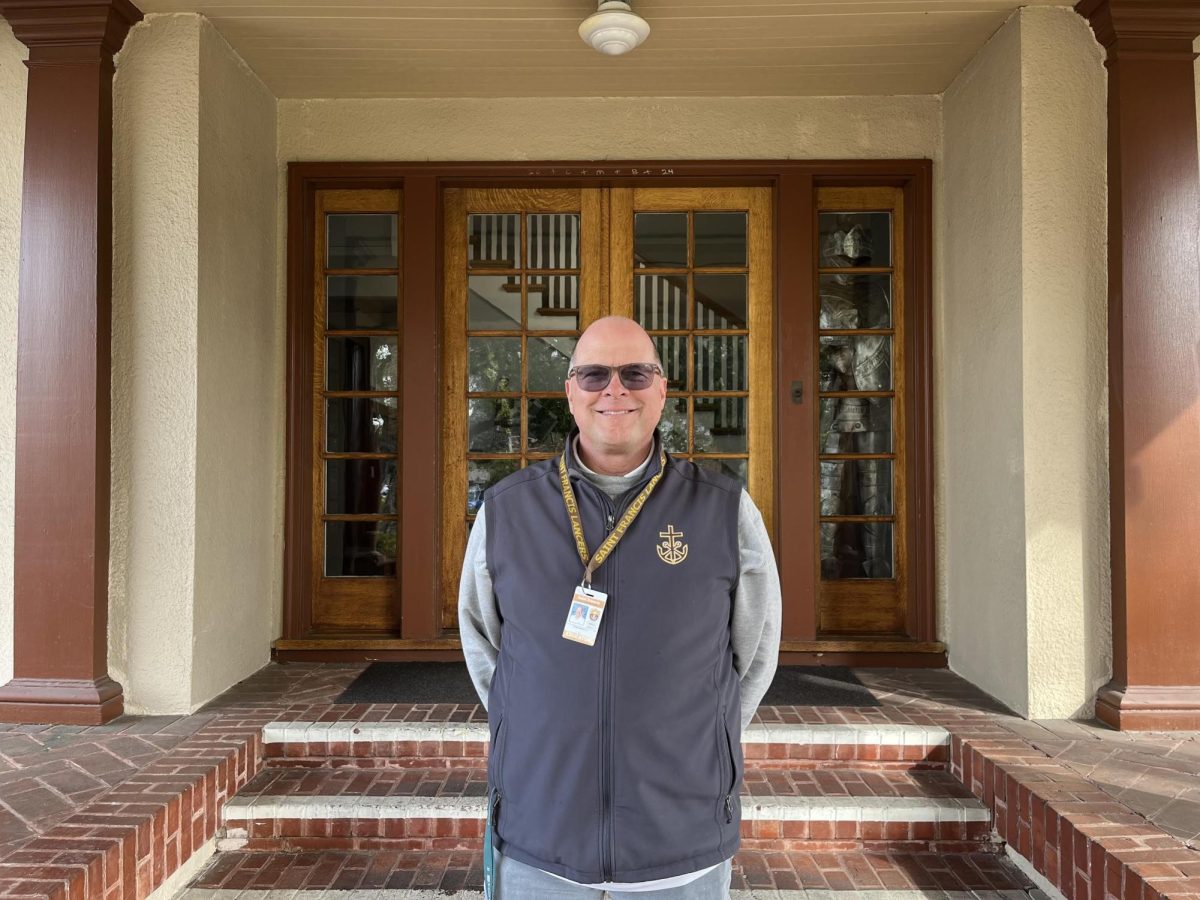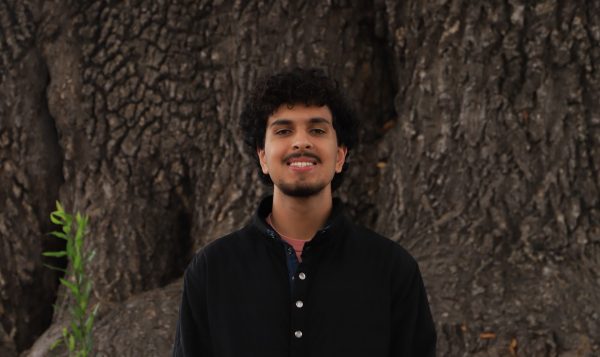

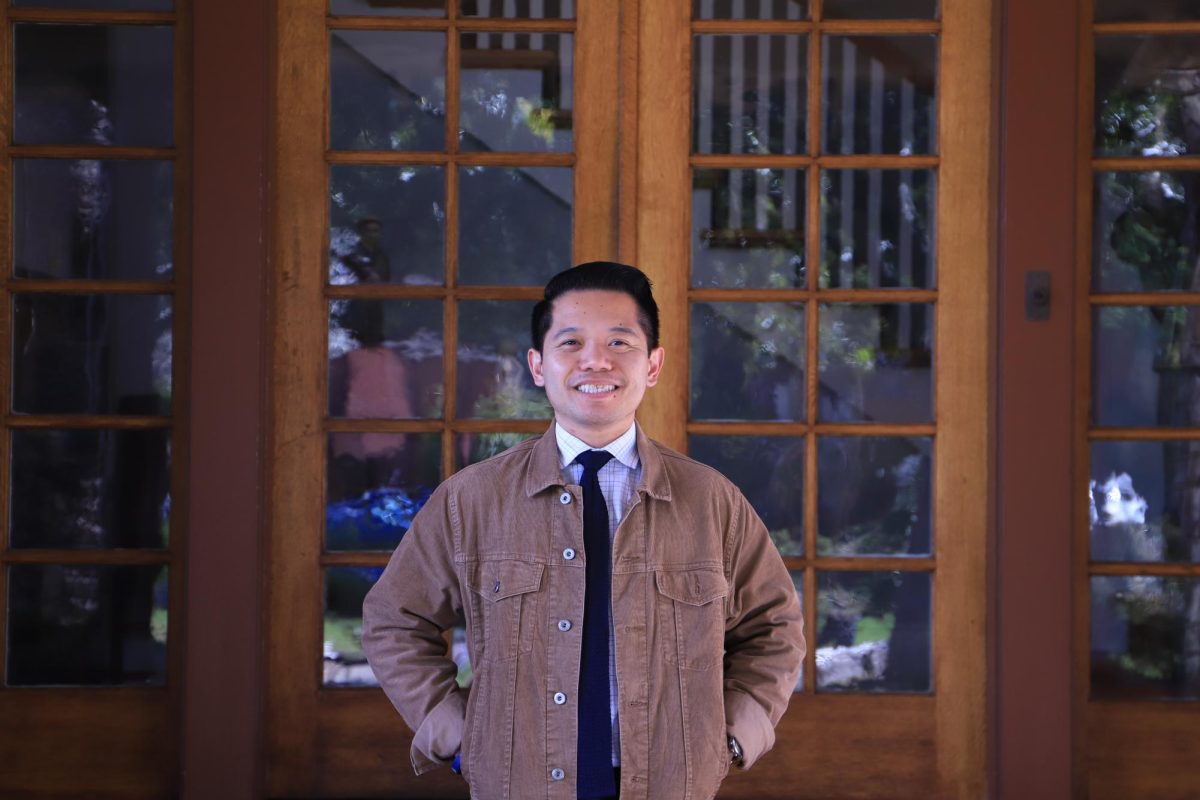
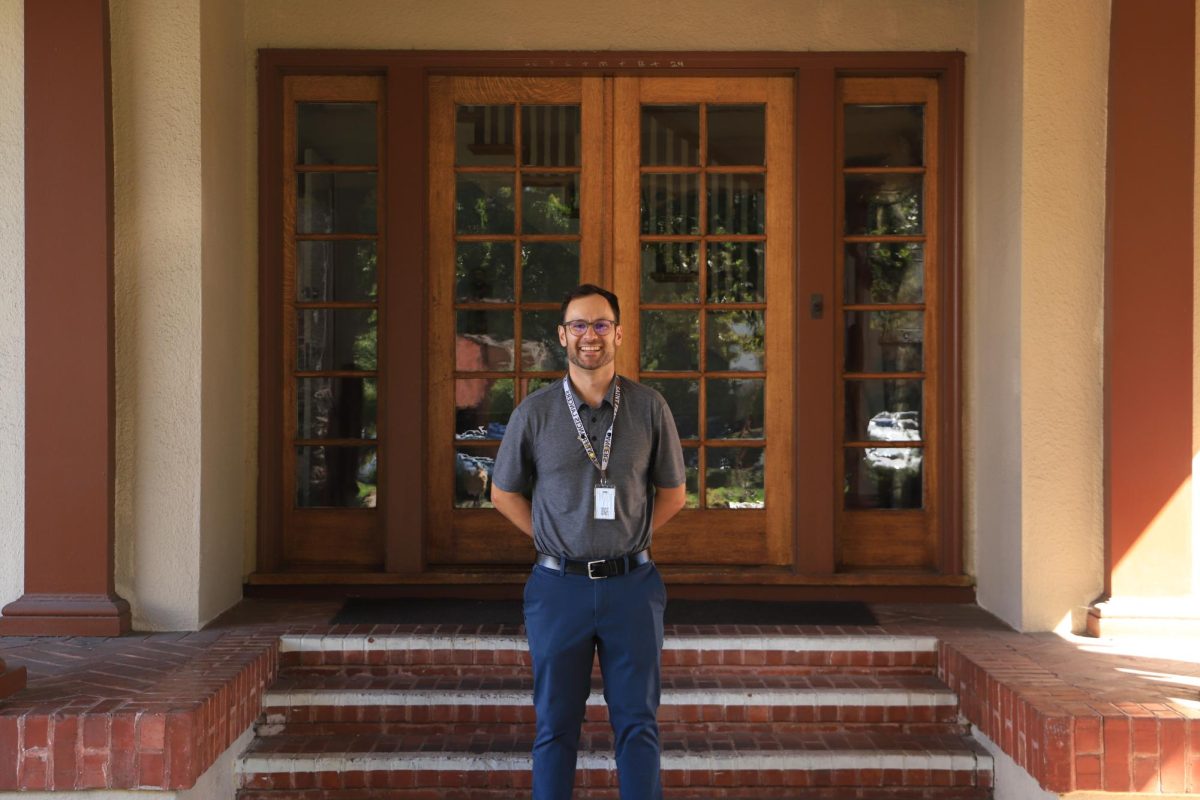










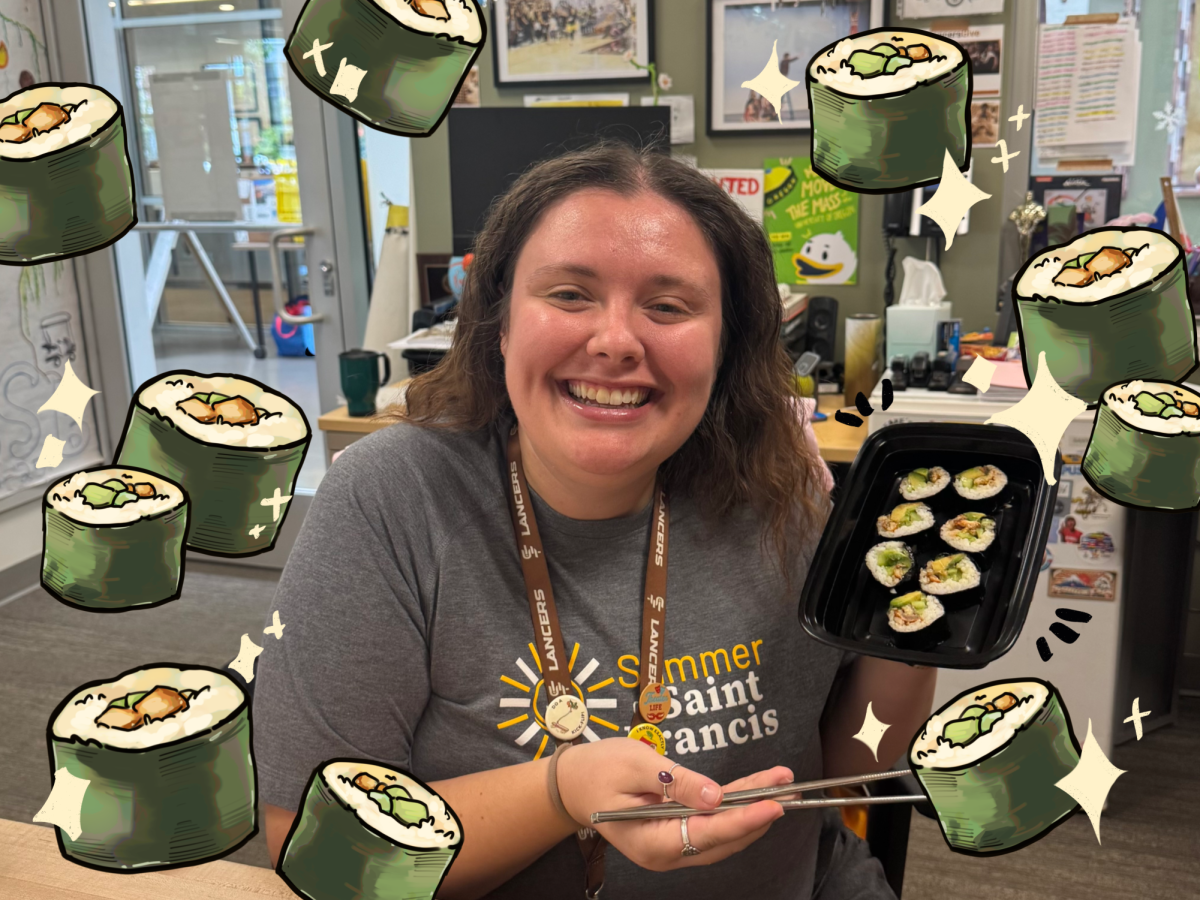



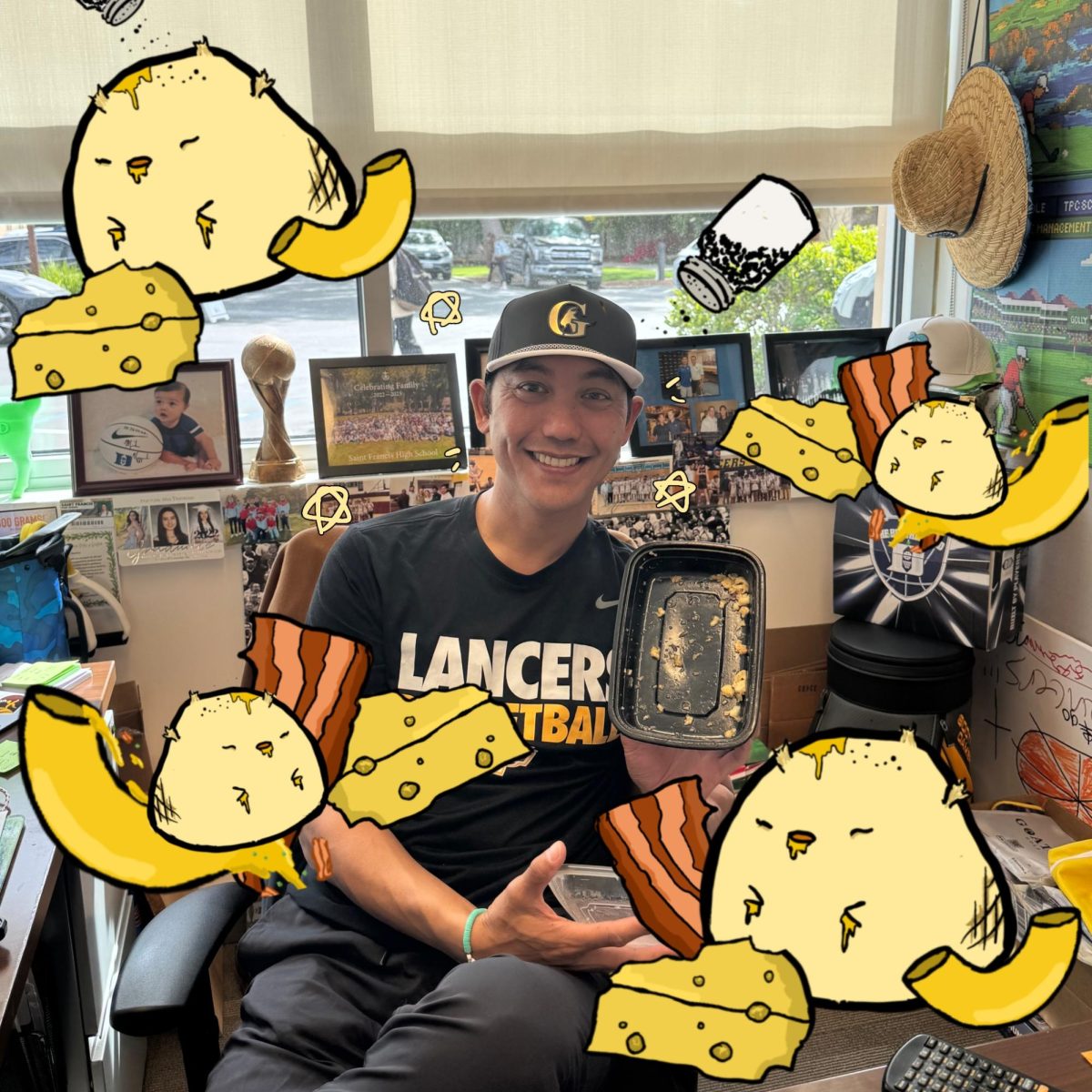





















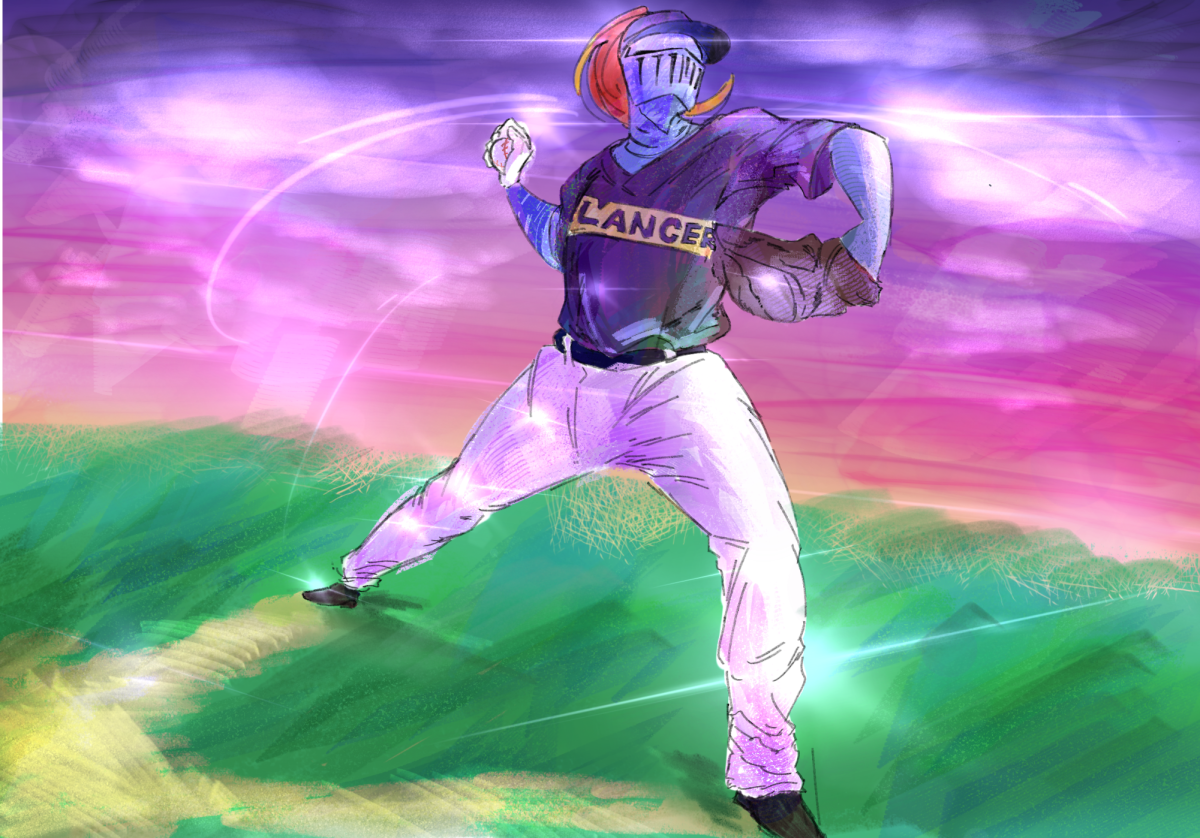
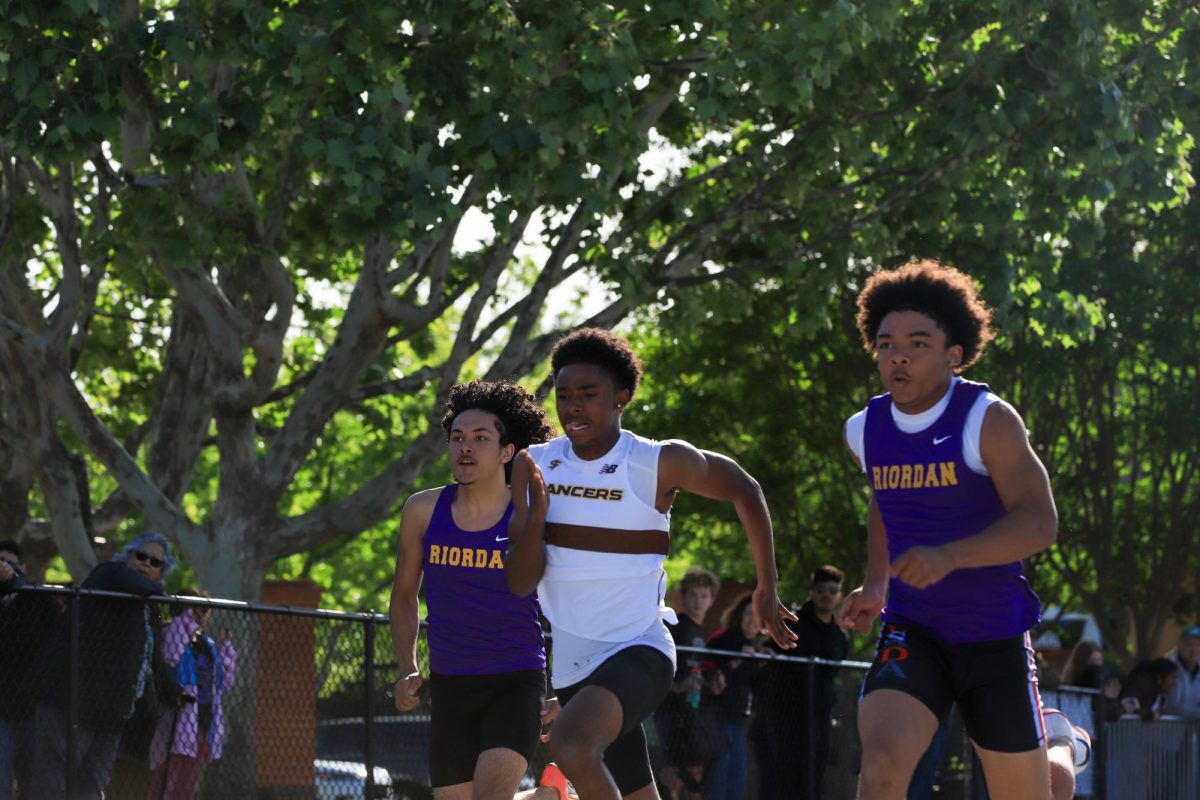




A campus celebrity in his own right, Mr. Narciso Bernardo has been teaching at Saint Francis for six years. He teaches Religion 1 and Living the Holy Life, the religion classes for freshmen and sophomores. In the past, he was a track and field coordinator. Currently, he is a SF Thrive advisor and co-moderator for the Filipino American Student Union with Ms. Rosalyn Moorhouse. Before coming to Saint Francis, he taught chemistry, anatomy, and biology.
The Lancer: When you were a student in high school and college, what was your experience like?
Mr. Narciso Bernardo: [Laughing]. Where do you want me to start? Would you rather have high school or college?
TL: Let’s start at high school.
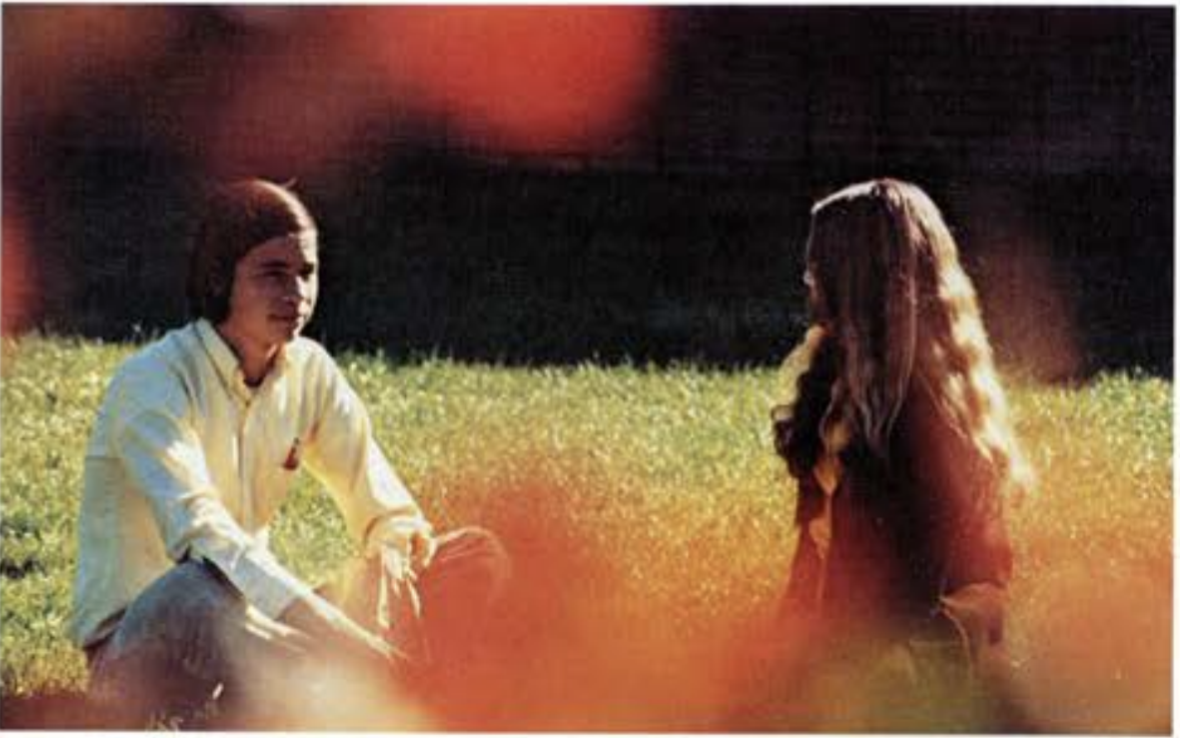
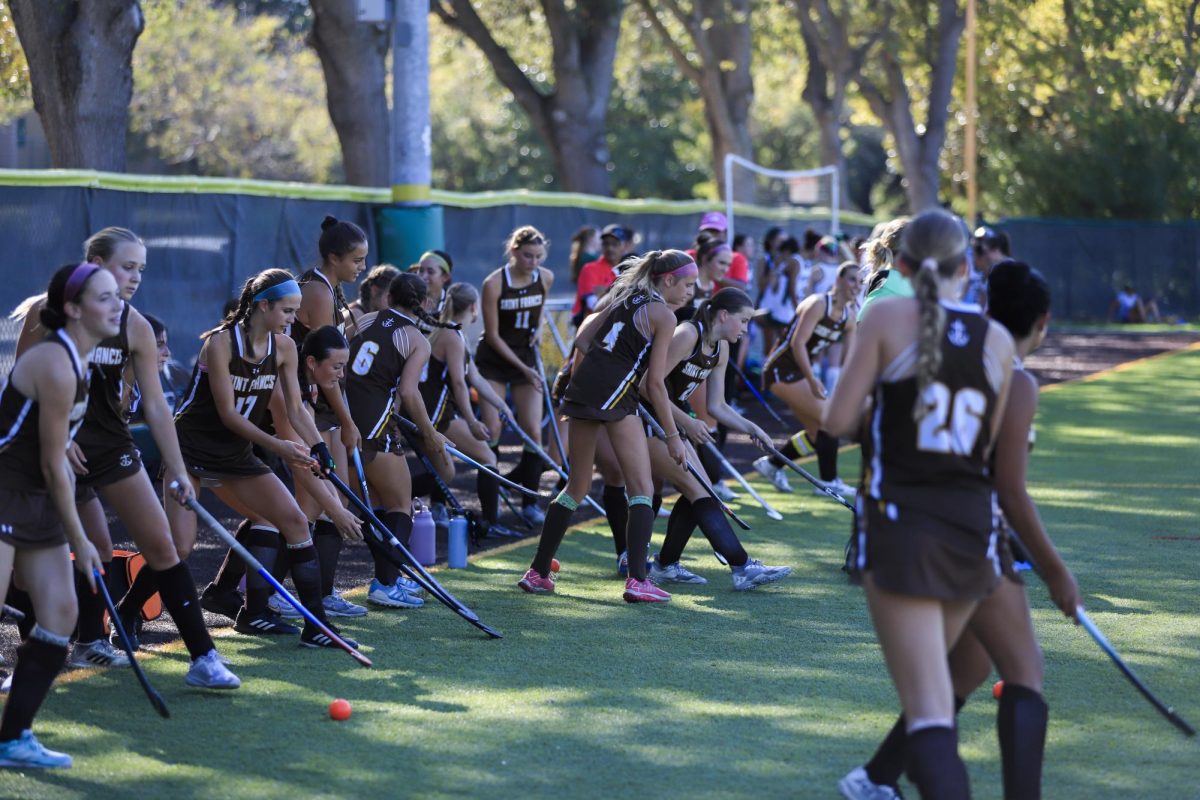
NB: I went to high school at Moreau Catholic in Hayward, which is a sister school of Saint Francis. And in all honesty, I think that I was a pretty shy individual. I still am really shy. I loved studying and getting into my books, but I also loved hanging out with my friends. I wouldn’t say that I was the most involved on campus, not until my junior year, but I loved making connections with people on the cross country team. That’s where I found my best friends in high school, and to this day they are still some of my best friends.
TL: And your college experience?
NB: College is a little bit different. I got terrified when I went to college. Moreau was a school of about 900 students, and then I went to the University of San Francisco, which, in total, with graduates and undergraduates, was about 10,000 people. I remember stepping foot on campus and being like uh-oh. I’m terrified. There are too many people here. But I found my niche in an honors program called the Saint Ignatius Institute. I found myself really invested in learning about theology, philosophy, and the humanities, and that community is where I ended up thriving. I’m a late night owl, so I remember having really intellectual conversations at like two or three in the morning. That was kind of my MO. Those are some of the best parts of my college experience.
TL: You touched on it a bit earlier, but what activities were you involved in during high school?
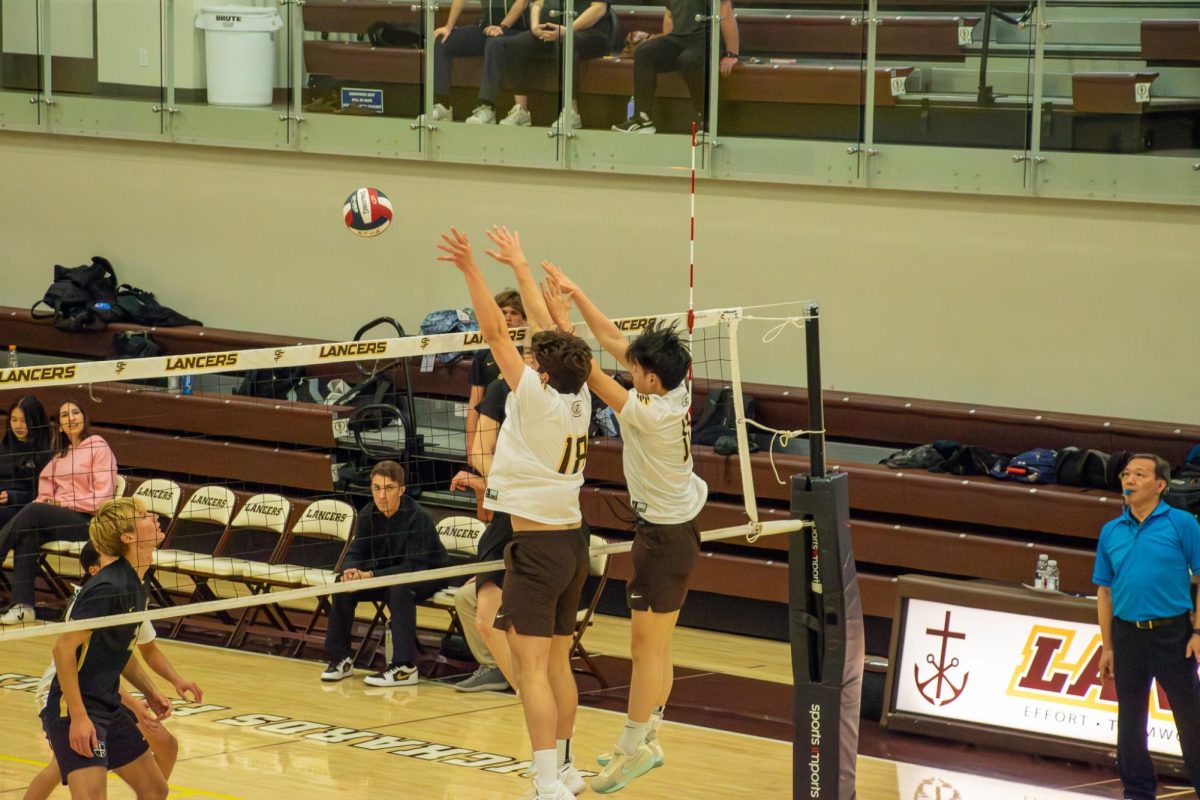
NB: It’s no surprise that I was involved in campus ministry. It’s one of the main reasons why I think I am a religion teacher now, because my educators at Moreau really guided me in faith. I also was on the cross country team for four years. I did volleyball for three of those years. I was redshirted for my junior year because I was not the best, and that’s okay. I ended up doing track and field for one season during my senior year.
TL: You shared a little bit, but what led you to become a teacher? Was it something you always knew you wanted to do, or more of a gradual realization?
NB: I would say it was a gradual realization. When I was in college, I did not think that I would become a teacher. My grandparents on my mom’s side were both educators back in the Philippines, and I knew that education was really important in my family and that I had mentors like my grandparents. Their photos are right there, [points to their photo by his desk]. But I was totally set on becoming a doctor in college as well as a priest. [Laughing.] Obviously, both of those things did not happen. After college, I was trying to find a job and I ended up going back to Moreau to do some teaching. I was taking it almost as a gap year from studies to prep for the MCAT and stuff like that, but I ended up teaching science, and I ended up loving it. That’s how I was introduced into the field of education: curriculum development, the camaraderie amongst my colleagues, finding joy in seeing students thrive, grow in knowledge, and faith. That led me to say, “Hey, this could be a job for me. I could see this as my vocation.”
TL: What makes Saint Francis special to you as an educator, and how do you think that reflects in students’ experiences?
NB: That is a good question. What I really love about Saint Francis are the friends I’ve made amongst my colleagues. They have been with me through thick and thin and through great transitions. I think that is a testament to how important that sense of family is on campus. And I see it with my students, right? Especially in the Filipino American Student Union. I see them really being family: they want to hang out with each other, they cry together, they laugh together. I see them hang out even outside of school. That’s the best part about high school, cultivating authentic relationships. Not just on campus, but those that extend. Seeing that in action in a lot of different places on this campus makes Saint Francis really special.
TL: What is the most rewarding and most taxing part of your job?
NB: The taxing part, I think this is like most teachers, is the grading. The grading is both fun but also really, really challenging at the same time, especially since you have a deadline. Grading is tedious, but it is enjoyable, especially when I am reading student reflections. That is where I gain insight on the behind-the-scenes stuff that my students are thinking about, and I really enjoy that. It just takes a really long time. So that is probably one of the most challenging things. Rewarding things would be, again, reading students’ reflections and seeing their growth and openness to faith and spirituality, whether they realize it or not. Being able to ask questions or guide them in that process is really fun.
TL: What is your teaching philosophy and how do you exemplify it in the classroom?
NB: The primary way that I teach is by giving students opportunities to encounter God, whether that’s in the classroom, through their academics, or intentional reflection. One of the things that I try to focus on in the classroom, especially in my sophomore curriculum, is that living a holy life is not just about knowing everything about the Bible, but about experiencing a life that is of human flourishing. That’s why we focus on values and virtues. So when we practice what we actually learn in the classroom, that’s really where the rubber hits the road. That’s where human flourishing starts to happen, and that is where Scripture and faith start to make more sense, when it becomes tangible and real.
TL: What advice do you have for students who are unsure of what they want to do in the future?
NB: Great question. It’s okay. [Laughing.] First off, I think a lot of young people, and I felt this when I was in high school, feel like we need to have it all together. Reflecting on that as an adult, I recognize that it is okay to not have it together. It’s okay to still be questioning whether you want to go into the field of sciences or into the humanities. When it comes to knowing more about what you’re called to do, we start with our values. “What are the values I have?” then, think about, “what are the gifts I have? What are the things I’m most passionate about?” When you can find a career, a vocation, that you can align with your values, gifts, and passions, that is where things start to become really, really beautiful. You’ve found what you are called to do.
TL: Amazing. Now we have some lighting-round questions. First, what are some of your hobbies outside of the classroom?
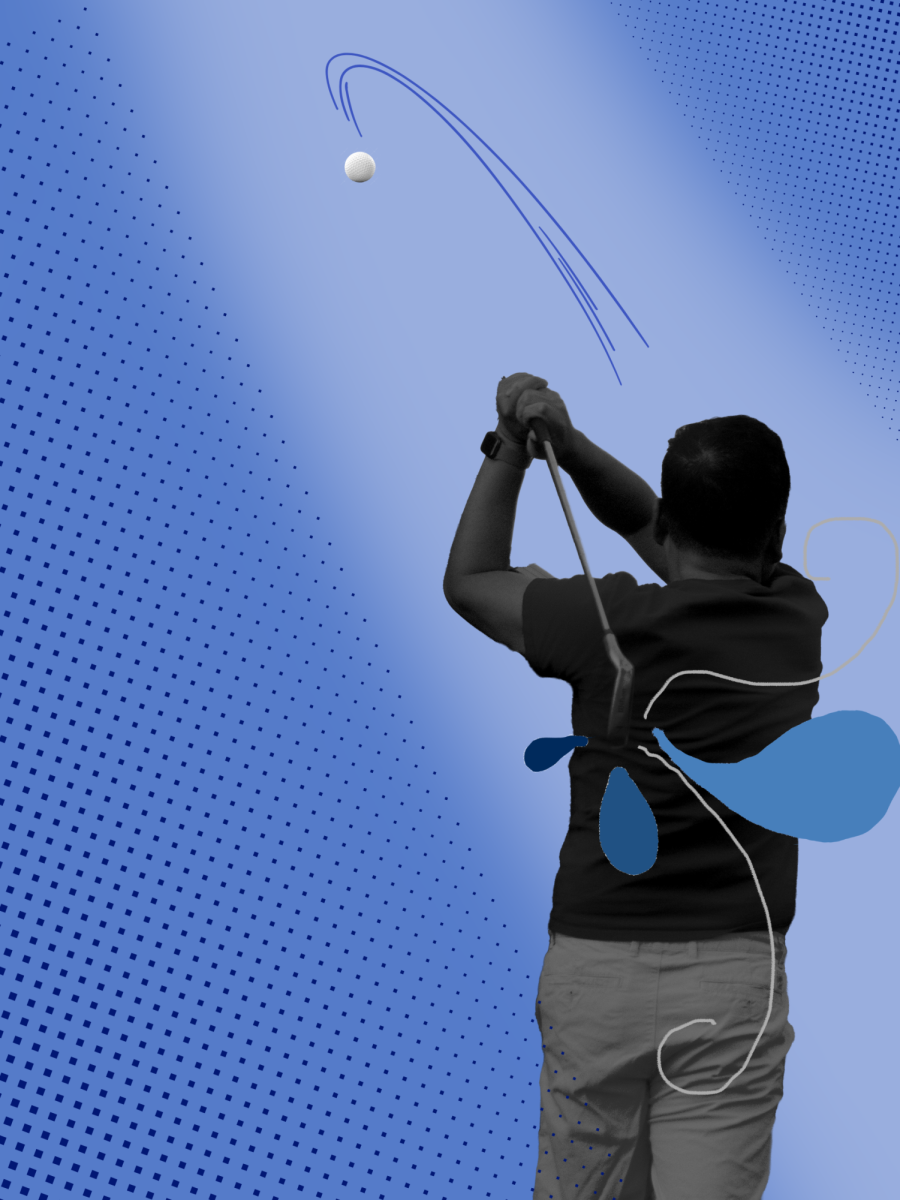
NB: I like golfing. I’m terrible at it, so don’t ask me what my handicap is. I like reading a lot. I read a lot of theology books on the side, just for personal edification. Oh! I like running a lot. I like hiking. I love going to the East Bay hills and just doing a really long hike, that’s a lot of fun. Those are some of the things that I do outside Saint Francis.
TL: What is your favorite TV show?
NB: I was just watching this last night. I love Psych. Have you ever heard of it before?
TL: No we haven’t.
NB: Psych is essentially detective, murder mystery type stuff. I’m really into those types of shows. It is really funny and interesting. I like Hawaii Five-O.
TL: [Coco] I love Hawaii Five-O.
NB: Hawaii Five-O is really good. And my wife has gotten me into The Pitt.
TL: [Skye] I was just watching that last night.
NB: It is really good. My wife is in the medical field, so she tells me that it is pretty accurate to what people experience in the medical field. It is super intense… I guess I like intense shows. I don’t know if that’s a good thing. I need to rethink that.
TL: Do you have any hidden talents?
NB: I can spot planes from far away. I started to realize that since I’ve been traveling a lot because my wife lives in Utah and is in medical school right now. I’ve been on a lot of planes lately. So I am starting to realize “oh wait, I know that plane.” I know the types of planes from far away, especially when driving down a freeway.
TL: Cool! That’s so unique. What is your favorite Bible verse?
NB: I was just talking about that today! I love the fact that you guys have this as a question! My favorite Bible passage is Luke 1:46-55. It is known as the Canticle of Mary. It is the hymn that Mary sings after she meets with her cousin Elizabeth, recognizing that her cousin is pregnant and her cousin [Elizabeth] realizes that she [Mary] is pregnant with Jesus too. I love this Bible passage because it’s a reminder of God’s faithfulness. If you read the passage, it talks a lot about how God has shown mercy to those who fear Him in every generation: He scattered the crowd in their conceit, cast down the might from their thrones. It is a reminder that God is faithful, especially to those on the margins of society. I think that’s a really important message, especially in our world today.
TL: Finally, if you could teach any class other than religion, what would you teach?
NB: I’m going to give a shout out to Ms. [Kerrie] Gibson right now. She was actually my teacher when I was a senior in high school.
TL: Ms. Gibson from here?
NB: Ms. Gibson, yes, Gibby. She was also my first ever department chair. I will never forget her anatomy and physiology class in high school. To this day I remember stuff about anatomy and physiology because of her class, and I found an interest in biological sciences because of that. So I would definitely teach an anatomy and physiology class.
Responses have been lightly edited for length and clarity.