































































Ten months of studying has culminated in this moment. My heartbeat accelerates loudly in my ears, and the classroom falls silent. Papers shuffle and pencils tap nervously on desks. I think someone coughs in the back of the room. Oh wait, that was me. I’m sporting two designer eyebags, my hair has seen better days, and I run on an exclusively caffeinated diet. The test begins, and I flip the page over. My eyes roam through the familiar questions, and yet I can’t remember a morsel of information.
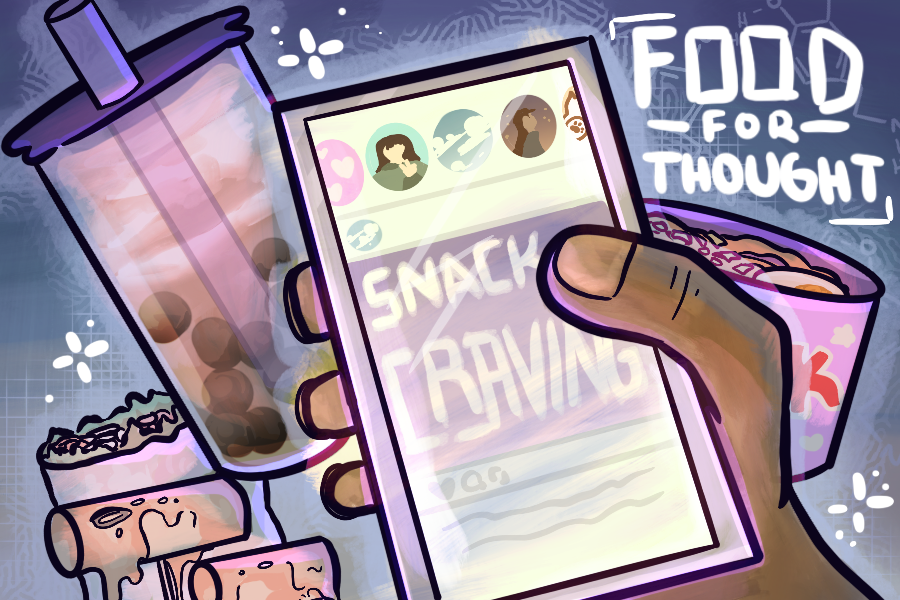
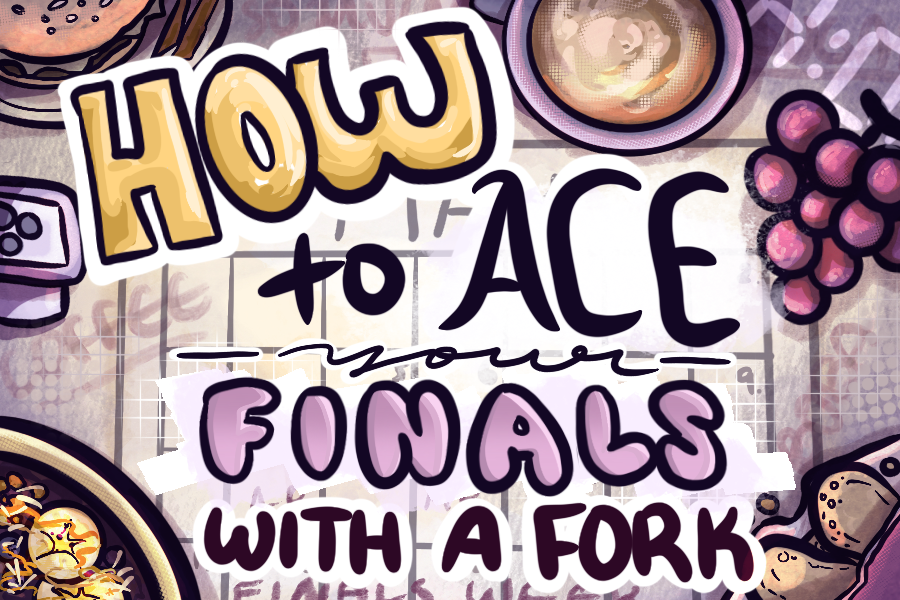
For many students, this is the moment when all the late nights and study sessions finally come down to one test. But while most people focus on reviewing notes and memorizing formulas, few think about something much simpler that can affect performance: what they eat. The right foods can help fuel the brain by improving focus and memory while supporting healthy energy levels, making nutrition an unexpected but potent tool during finals week.
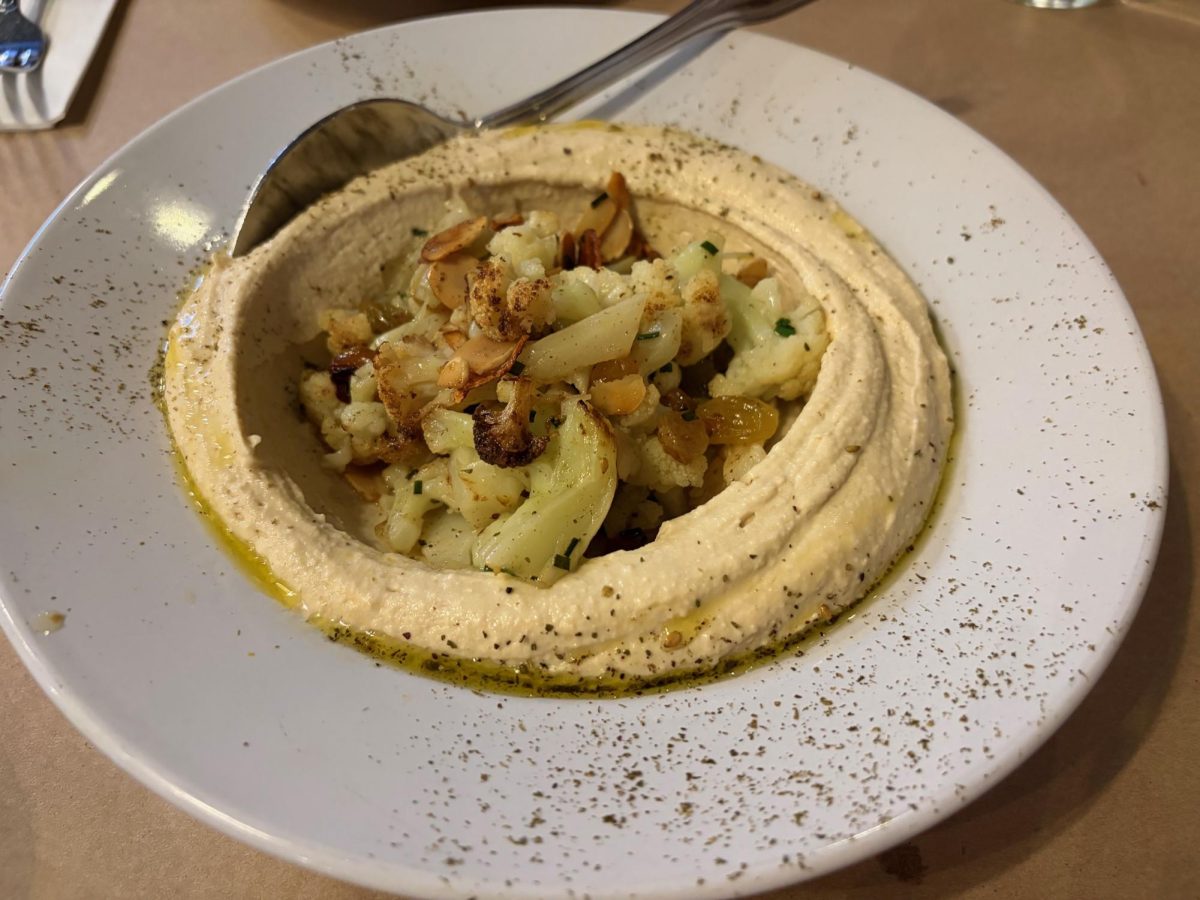
To start, snacks should aim to have the three macronutrients: healthy fat, carbohydrates, and protein. Healthy fat facilitates vitamin absorption, organ protection, and energy retention. Avocados, fatty fish (salmon, sardines), nuts (walnut, almonds), seeds (sunflower, chia, flax), and eggs are all ingredients with an abundance of unsaturated fats that are nutrient dense and help lower cholesterol.
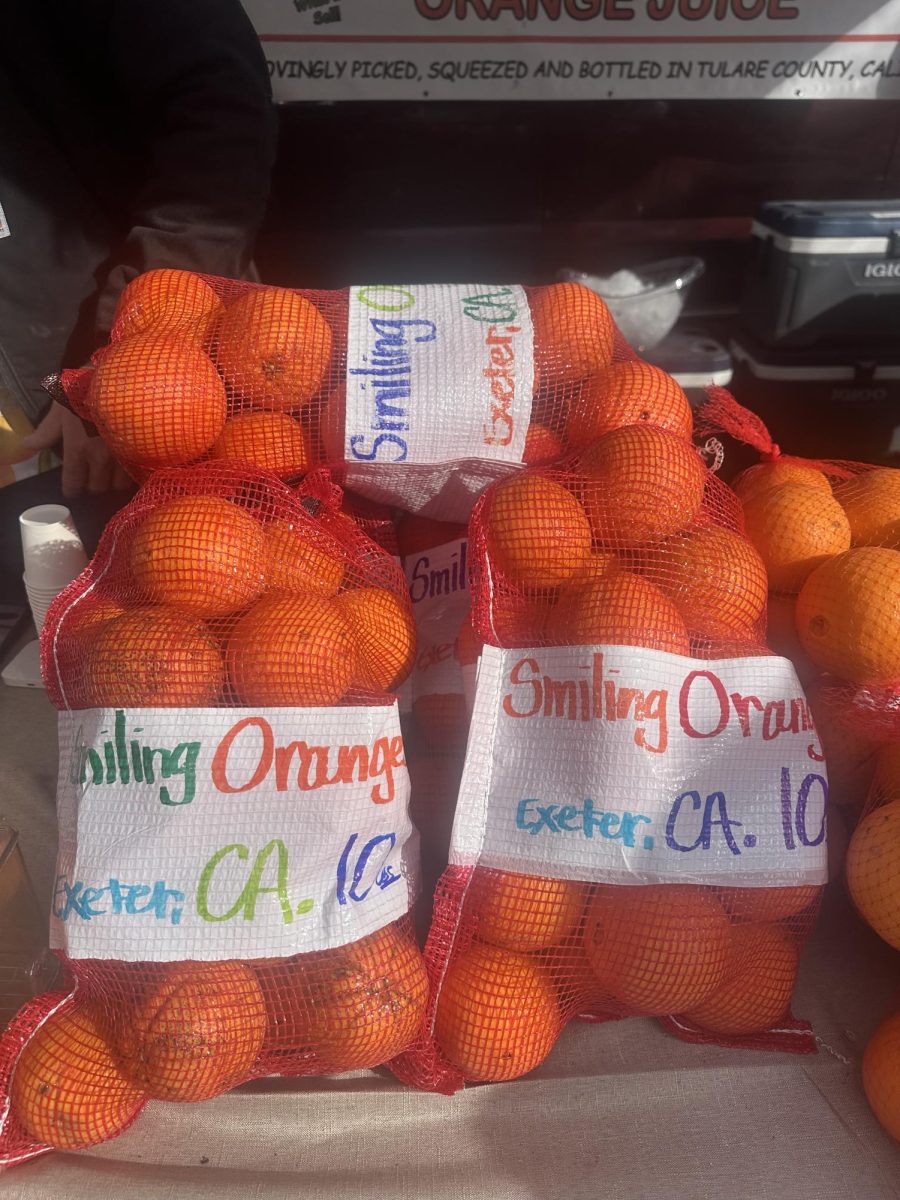
Carbohydrates are primary sources of energy for the brain and muscle. They can also help with digestion and provide minerals and vitamins. Common sources include grains (bread, pasta, rice, oats, quinoa, tortillas, cereals), starchy vegetables (corn, potatoes), fruits, and dairy products (milk, yogurt).
Protein is essential for muscle growth and is common in meats (chicken, turkey), fish (salmon, tuna), eggs, dairy products, and plant-based ingredients (tofu, beans, nuts, seeds). Incorporating protein into your diet improves overall health and energy levels.
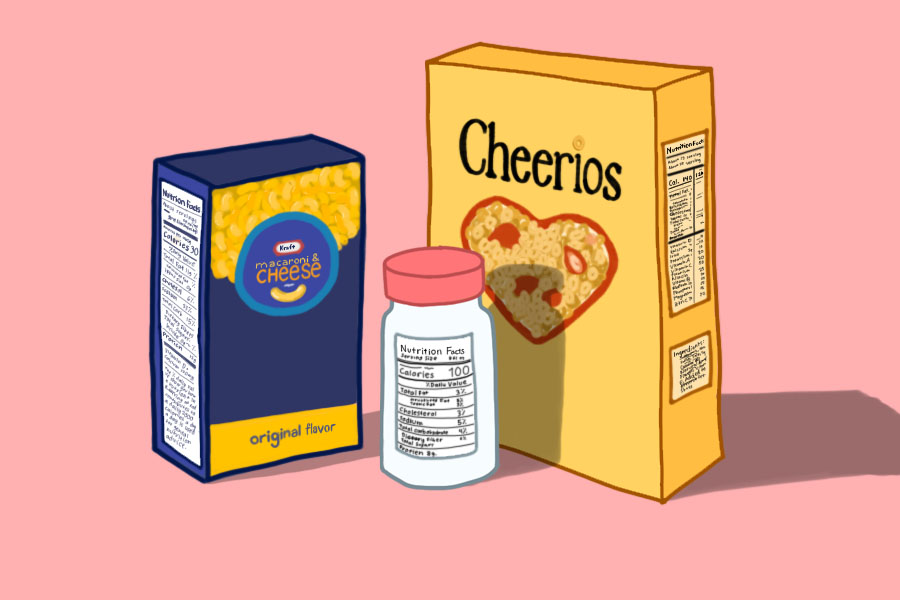
Logically, one doesn’t always have the time, patience, or energy to whip out a meal with all three categories, but some quick snacks that check most of the boxes include Greek yogurt, trail mix, fruits (dried or fresh), and toast.
Of course, not every finals week snack deserves a spot on the brain-boosting menu. The same foods that may seem appealing during a desperate study session can actually hamper concentration. Sugary treats are your number one studying backstabber. They tantalize you with their saccharine appeal, and smack you in the head the moment you eat them. These treats induce spikes in blood glucose, forcing the body to release an abundance of insulin to regulate blood levels. The sudden surge of insulin then drives the glucose out of the blood rapidly, resulting in an immediate drop in blood sugar known as reactive hypoglycemia, leading to fatigue and inattentiveness.
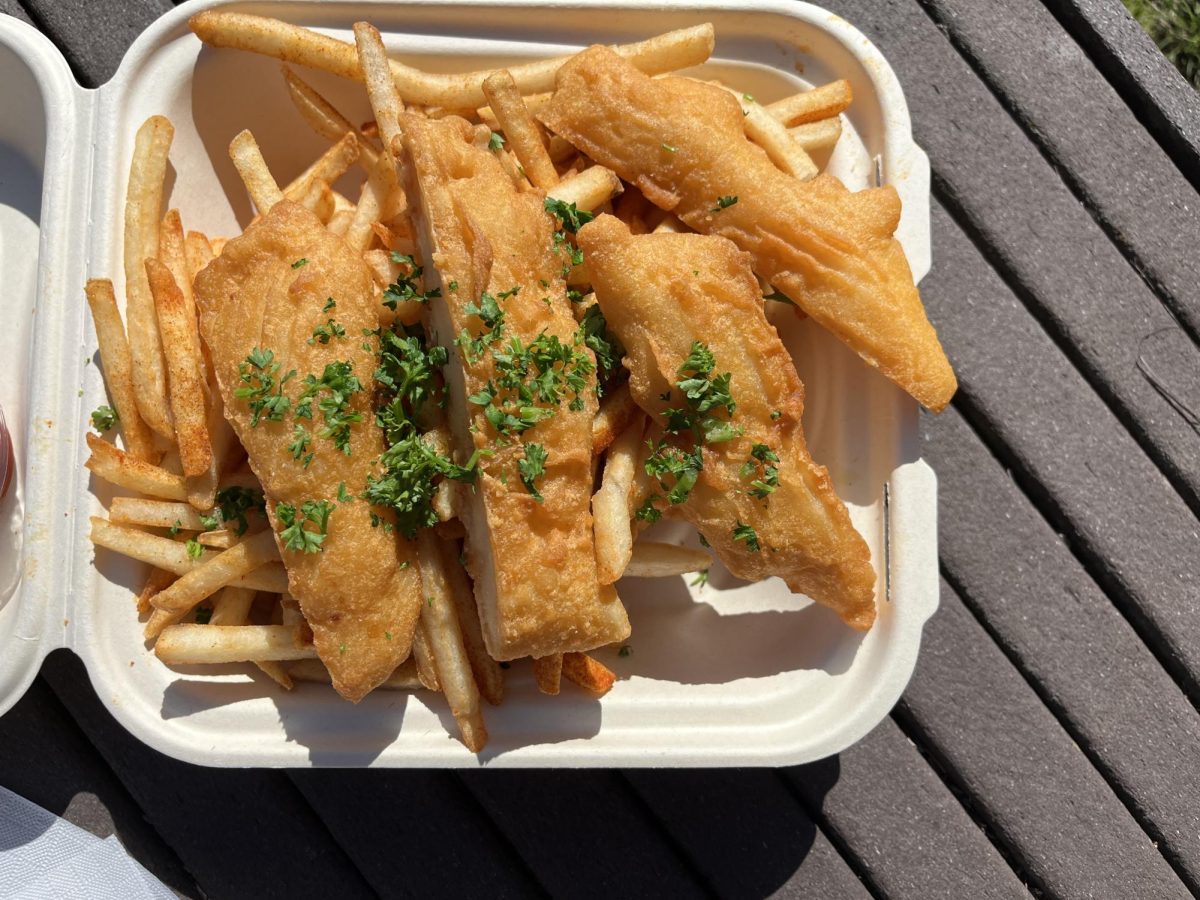
Greasy, high-fat foods also threaten your productivity. Chips, fries, and fast foods require significant amounts of energy to digest and actually trigger hormones promoting relaxation. This process defines what most people refer to as a “food coma,” stealing away brainpower in favor of digestive energy.
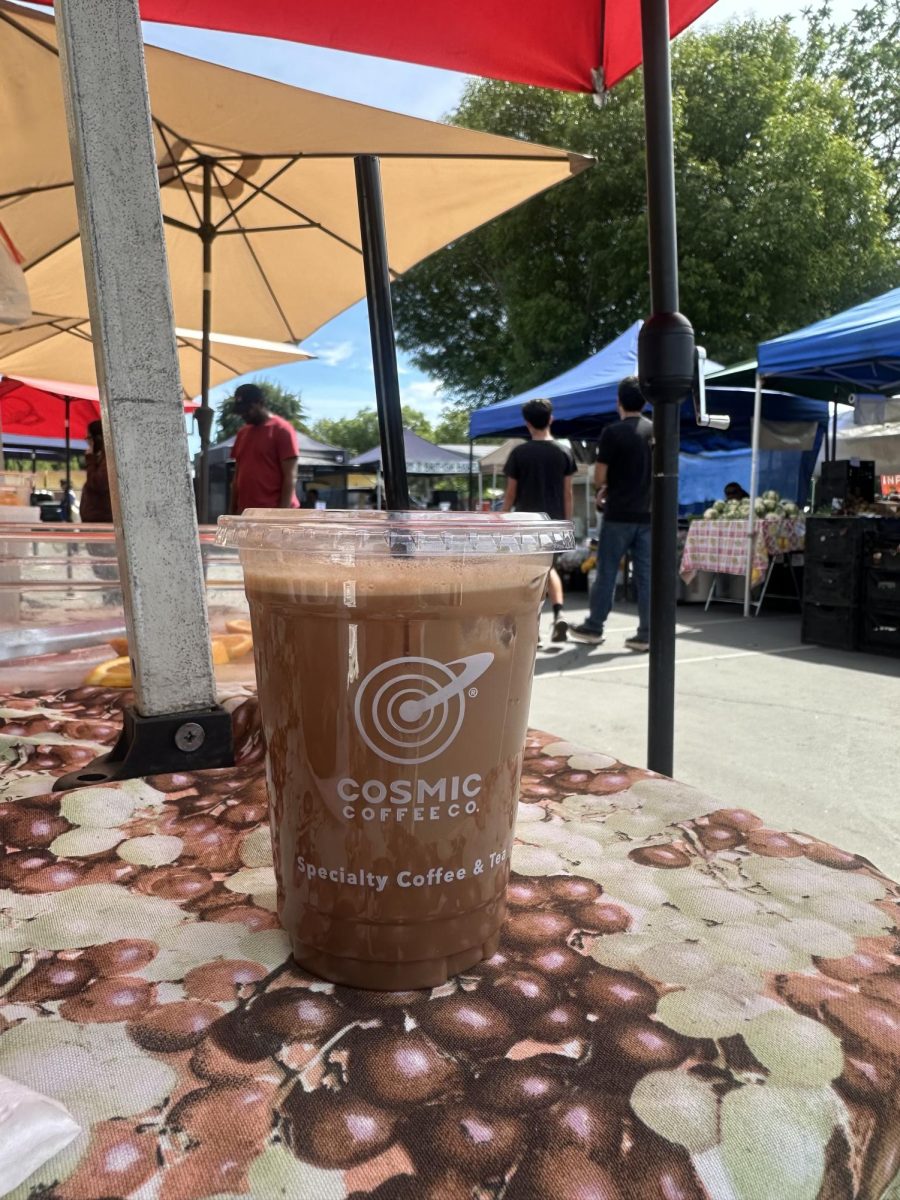
Finally, and likely the most deceptive, is caffeine. Coffee and energy drinks are the go-to for a desperate student at 2:00A.M. struggling to keep their eyes open. And yes, they can help boost concentration and energy, but only temporarily. Ingesting large amounts of caffeine after 2:00 P.M. can lead to insomnia, dehydration, and impaired focus the next day, which is not ideal for last-minute studying. Furthermore, the high caffeine content may provoke high blood pressure and agitation by increasing heartbeat rate and adrenaline.
Now let’s rewind the scene and try it again.
Ten months of studying has culminated in this moment. My heartbeat accelerates loudly in my ears, and the classroom falls silent. Papers shuffle and pencils tap nervously on desks, and someone coughs in the back of the room. The test begins, and I flip the page over. My eyes roam through the familiar questions, and my brain lights up. My pencil moves so fast the scantron can’t even keep up. I finish the test with twenty minutes to spare, so I check through all my answers and confidently hand the proctor my paper without a tear in sight. Then, I catwalk out of the room, ready to face the next one.