
























































































You might have heard someone say that carrots are good for your eyesight or tell you to eat walnuts to improve your memory. Advice like this is common in everyday conversations about health and nutrition. But is there really such a thing as a “miracle food” for a specific problem or bodily function? Across cultures and generations, people have often linked certain foods with particular parts of the body. Sometimes these connections come from careful observation and are later supported by scientific research. Other times, however, they arise from traditions or symbolism that were not originally based on evidence or experimentation at all. So how much can we really trust the idea of certain foods helping specific parts of the body?
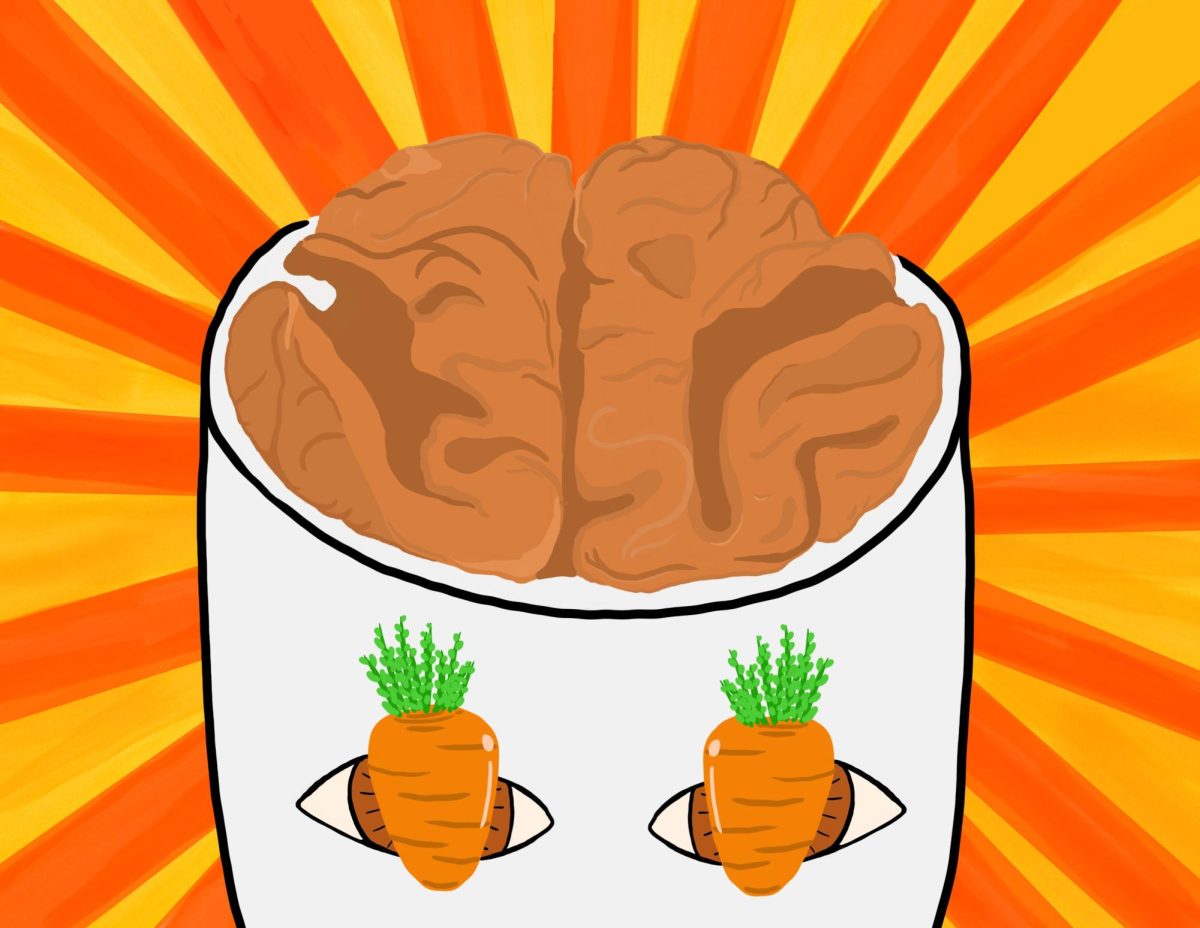
Meet the Doctrine of Signatures: a system of symbolism connecting the appearance of plants with their supposed purpose in the human body. Rather than having a single creator, the doctrine appeared across many cultures around the world long before major globalization and colonization. The central belief was that natural signs, such as the shape or color of a plant, indicated the beneficial role they may play in the human body. Well-known examples include walnuts being said to help the brain, as they resemble its folds and hemispheres, and mushrooms being associated with hearing, as they can resemble the ear when sliced in half. Carrots are popularly linked to eyesight, though this connection was perpetuated less due to physical resemblance—even though sliced carrots can look like eyes—and more due to a World War II ruse entailing the British Royal Air Force advertising that their pilots’ exceptional night vision was due to eating large amounts of carrots, a claim meant to hide their new radar technology from Germany. While the Germans likely did not believe this, many British citizens did, helping cement the myth. In truth, carrots contain beta-carotene, which the body converts into vitamin A, which is essential for maintaining healthy vision. Walnuts, meanwhile, provide omega-3 fatty acids that support overall brain function, and various mushrooms contain nutrients like vitamin D and antioxidants that contribute to general health.
While consuming more of these foods will not dramatically improve brain function or hearing, it is striking that some of these traditional associations are partially accurate. Can resemblance and myth actually translate into real health benefits? More than often, the answer is no. You certainly cannot eat a random mushroom from the side of the road and expect it to improve your hearing. It’s more likely that it will poison you. Rather, many researchers suggest that the Doctrine of Signatures originally acted as a memory tool. By associating a plant’s appearance with its effects, communities could maintain important nutritional knowledge even without written records.
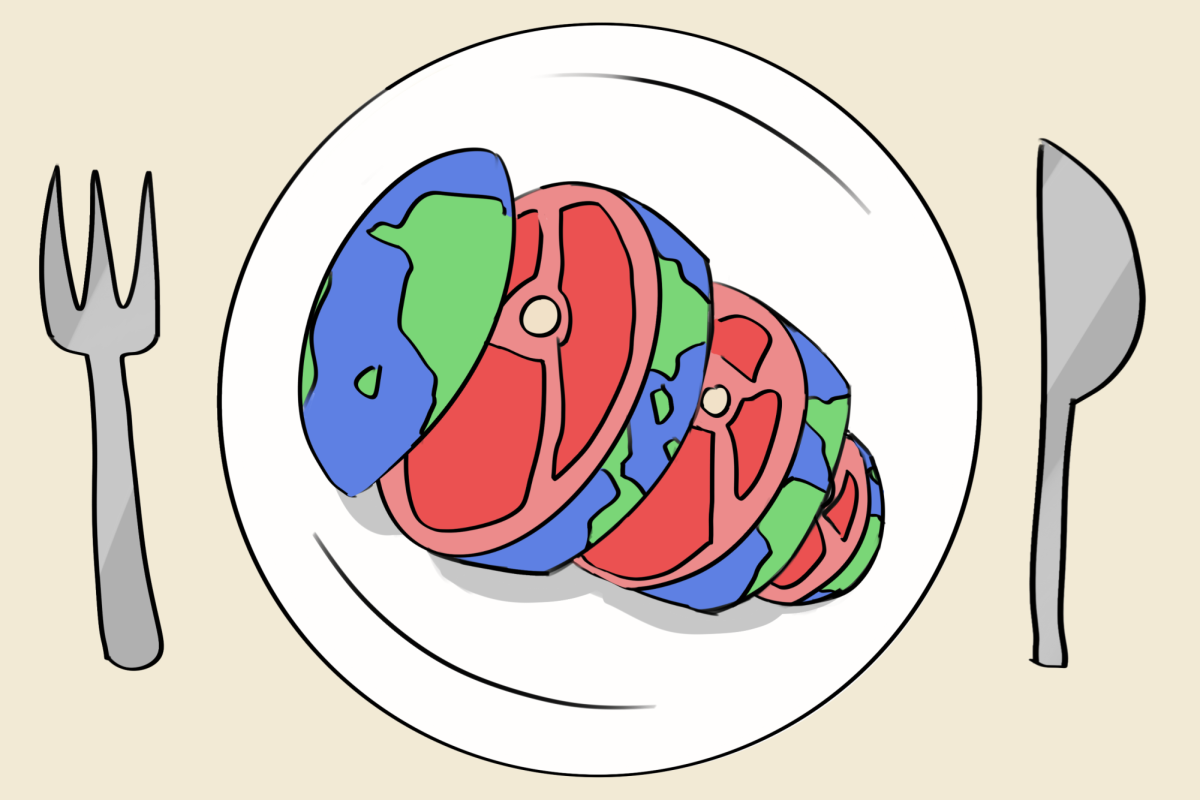
This phenomenon highlights the beauty of the human brain making connections, but also our tendency to search for quick and simple solutions to complex problems. Today, with instant access to information through the internet and artificial intelligence, cures, symptoms, and nutritional information can be identified and summarized in seconds. As a result, the original usefulness of the Doctrine of Signatures as a mnemonic device can be misunderstood, and people may incorrectly interpret these associations as proof that eating a lot of a particular food can directly treat all of the ails of a specific body part. When it comes to nutrition, the best approach is balance. While individual foods may contain nutrients that benefit certain aspects of our health, there is no single “miracle” food that acts as a sort of medicine on its own. Instead, lasting health comes from a balanced plate where many different foods work together to support overall well-being.