


























































































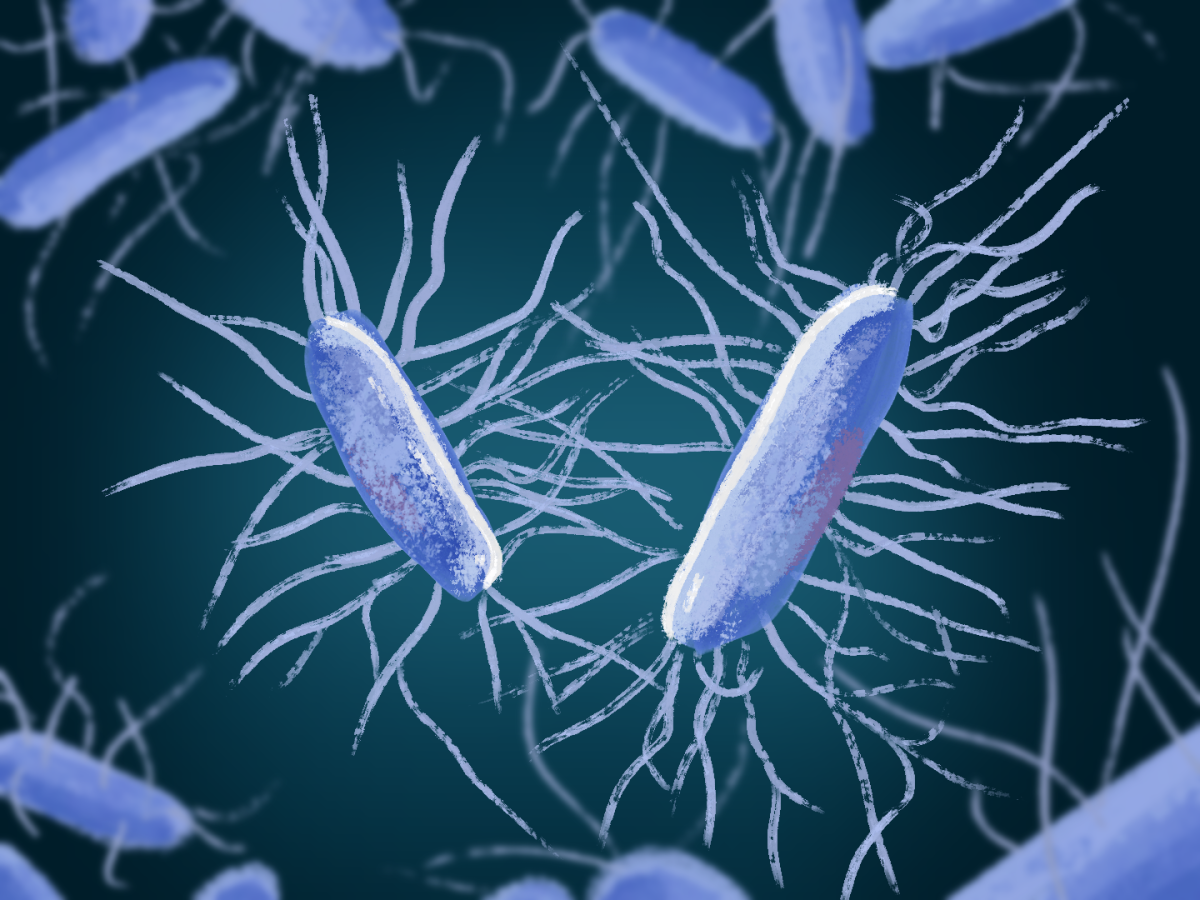
Cancer has always been a difficult disease to treat due to its constant evolution within a human’s body. But recently, scientists at the University of Waterloo have made significant progress toward developing bacteria capable of eating cancerous tumors.
According to chemical engineering professor Dr. Marc Aucoin at Waterloo, these bacteria work by eating the cancerous tumors from the inside out. Bacteria spores enter the tumor and begin eating the cancerous cells, as they provide nutrients to the bacteria. By eating away at the cancer cells, the bacteria rid the body of the cancer.
Clostridium sporogenes is currently the prime candidate for beating cancer with this method. This bacteria, commonly found in soil, has the unique property in environments with absolutely zero oxygen. This property comes in handy when trying to destroy tumors because the core of a cancerous tumor is made up of dead cells and lacks oxygen, while normal body cells are plentiful in oxygen. This way, the bacteria will only target the cancerous cells because they would wither out and die in the presence of oxygen.
One of the main reasons cancer is so difficult to treat is because cancer cells are not foreign objects; they are heavily mutated regular body cells. Cancer is so deadly because your body often does not recognize that cancer cells are a threat and as a result, does nothing to stop them. This also prevents scientists from leveraging the human immune system to beat cancer, as our immune systems do not recognize it. Some tumors, if caught early, can be surgically removed or carefully targeted with beams of radiation. However, these methods are not effective once the cancer has spread further.
One form of cancer treatment that can work even after the cancer has spread is chemotherapy, which utilizes chemicals to kill cancerous cells. Chemotherapy is the process of introducing powerful synthetic materials to damage the DNA and stop further reproduction of cancerous cells. This treatment often has drastic side effects since the chemicals will also impact healthy body cells in the same way; as a result, patients experience severe fatigue, nausea, hair loss, and more. Leveraging Clostridium sporogenes could dramatically lessen the side effects of this form of cancer treatment.
Sadly, this bacterium is not magic. When the bacteria reaches the edges of the cancerous tumor, it is exposed to small amounts of oxygen. This causes the bacteria to die out before it destroys all of the cancer cells. To address this issue, the team added a gene from a related bacteria species to make the bacteria slightly oxygen-resistant. Then, they found a way to activate this gene at just the right time. If they activated this gene too early, bacteria that makes its way into oxygen-rich regions of the body could destroy healthy body parts. If the gene were to be activated too late, the bacteria would already be dead and would not be able to carry out its mission of destroying the cancerous cells.
To solve this problem, researchers plan to use a system called quorum sensing. Quorum sensing involves chemical signals released by bacteria that only activate when a large amount of cells have grown inside the tumor, ensuring that the bacteria do not become oxygen resistant too early. Researchers have proved that Clostridium sporogenes can indeed be modified to become oxygen resistant, and they have also shown that their quorum sensing system works by making bacteria produce a green fluorescent protein. Upon oxygen exposure, the next step is to put these pieces together and test out the bacteria on a tumor.