




















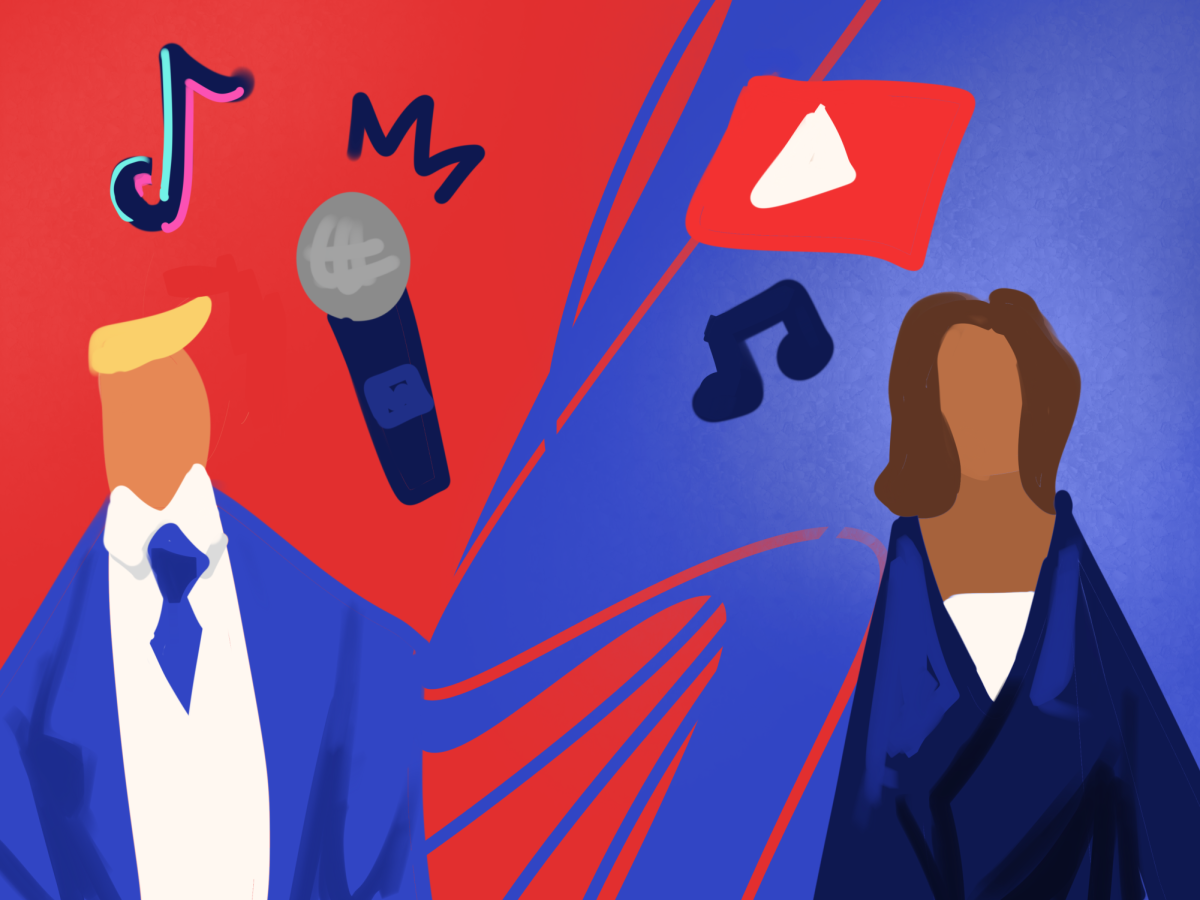





























The 2024 election offered a seismic shift in demographic voting patterns as compared to 2016 and 2020. One of the groups most discussed among pundits, elected officials, and strategists are young men, specifically Gen Z men—those aged 14 to 29. In the contest between Donald Trump and Kamala Harris, Gen Z favored Harris by four percentage points, in contrast to 25 points for Joe Biden in 2020. Furthermore, men aged 18-44 shifted 16 points to the right between the two elections. The political world has offered a variety of explanations. Only 16% of people under thirty believe American democracy is working well for young people. Donald Trump, although a former president, represented the “change” young people believed America needed. Furthermore, many of the Gen Z populace felt like inflation and the cost of living was too much to overlook and believed Trump would do more to fix their economic situations than Kamala Harris. However, the subject of my analysis into the rise of conservatism in Gen Z focuses on the network of online spaces that I call the “bro-media ecosystem.”
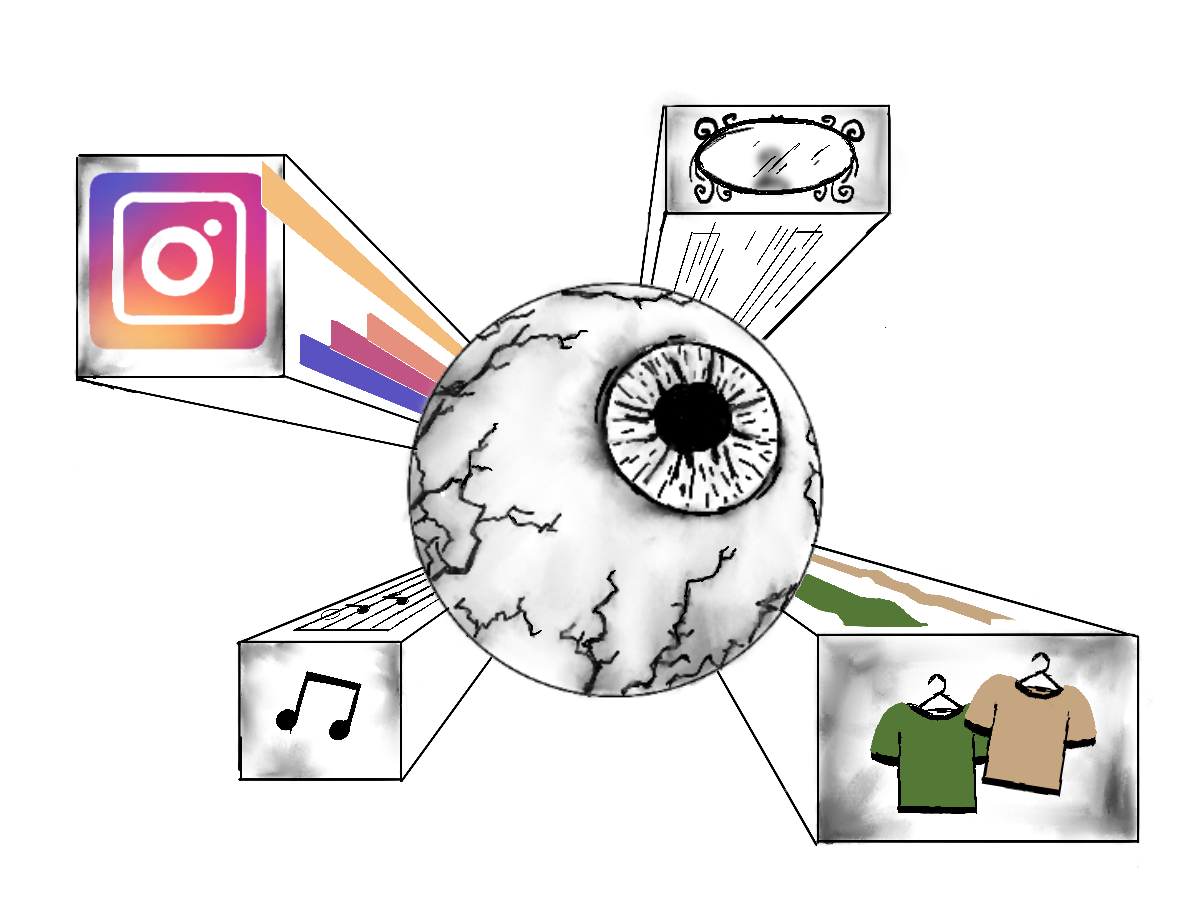
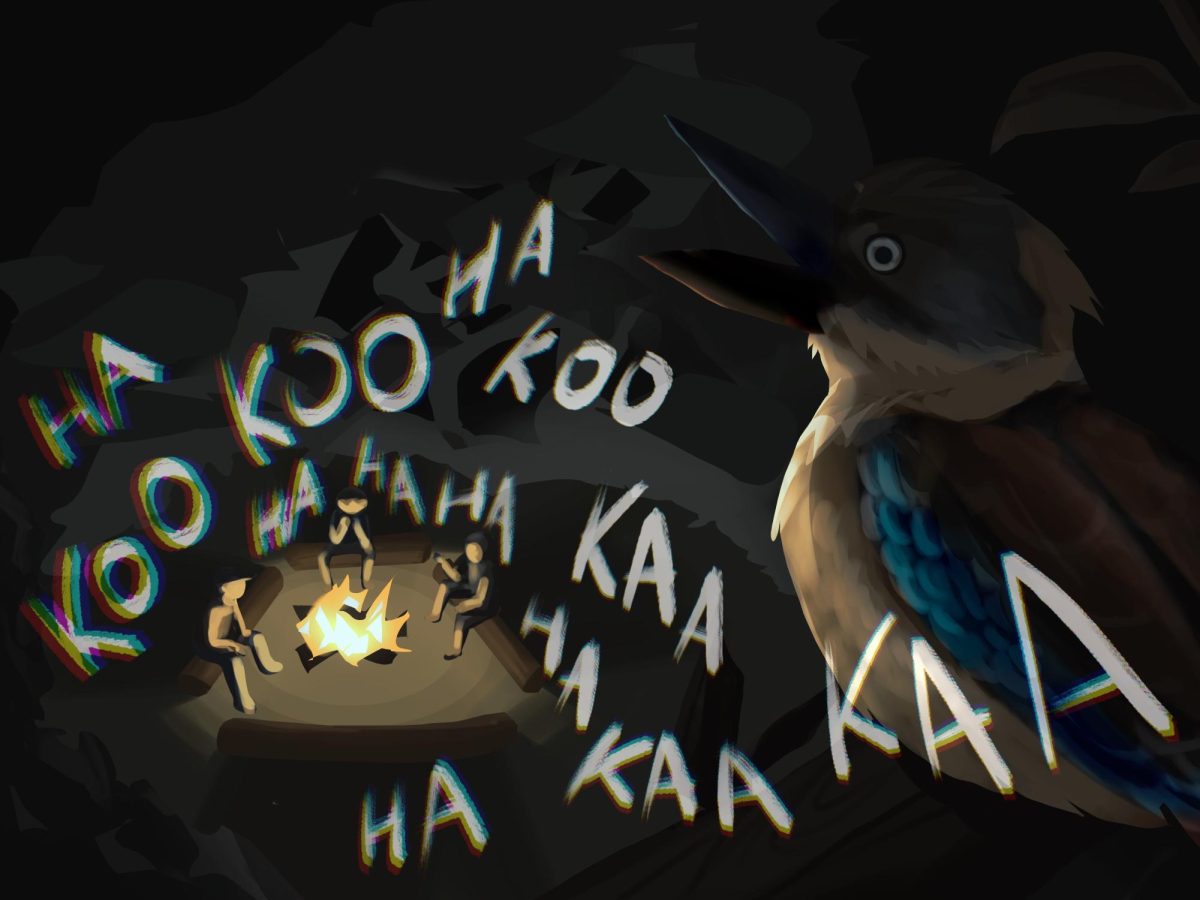
This media ecosystem is composed of podcasts, social media accounts, blogs, and YouTube channels that discuss pop culture, sports, video games, and comedy, while simultaneously covertly (and sometimes overtly) promoting right-wing platforms and values. Some of these independent creators include Theo Von, Joe Rogan, the Nelk Boys, and Logan Paul. Most of them are self-proclaimed “political independents” who claim to discuss politics without promoting a single party. Yet the political messaging embedded within these podcasts, videos, and shows is difficult to ignore. Creators will invite conservative politicians and commentators as guests, criticize “wokeness” and political correctness, and promote right-wing policies like tax cuts and strict immigration enforcement. The result is a generation of young men who associate discussion of cultural happenings with right-wing politics.
Young people tend to gravitate toward spaces that feel “cool”—where the energy is exciting and authentic. Two decades ago, Republicans struggled with their “cool-factor.” The party was often perceived as culturally rigid or moralistic—more like hall monitors than cultural leaders. Meanwhile, figures like Barack Obama embodied a different style of politics: casual, culturally fluent, and connected to youth culture through sports and late-night comedy.
In 2024, however, the cultural momentum seemed to flow toward Republicans. Many young men encountered politics through podcasts and online personalities whose primary focus was entertainment as opposed to traditional news sources. In these spaces, political discussion was woven casually into conversations about sports, comedy, or dating, and these creators were able to set the tone themselves. They carried a massive amount of influence for young men deciding who to cast their ballots for.
Within that context, the messaging young men often encountered portrayed Democrats as out of touch with their everyday experiences—too focused on cultural policing or identity politics. They were the party of institutions: pro-government, pro-establishment, and disconnected from the frustrations of young men. Republicans, by contrast, were often framed as rebellious or anti-establishment. Trump was presented as the candidate speaking directly to “you,” the individual listener. Whether or not those portrayals were accurate mattered less than the vibe they created.
However, the influence of the bro-media ecosystem should not be overstated. Its political impact may be powerful but also fragile. Pollster Sarah Longwell has noted that Gen Z men also showed one of the sharpest declines in approval of Trump after the election, suggesting that their political loyalties may be especially fluid.
If that is true, the lesson for Democrats is not simply to replicate the bro-media strategy. Creating TikTok accounts that mimic Gen Z humor or internet trends is unlikely to change political attitudes on its own. Cultural authenticity cannot be manufactured through social media marketing.
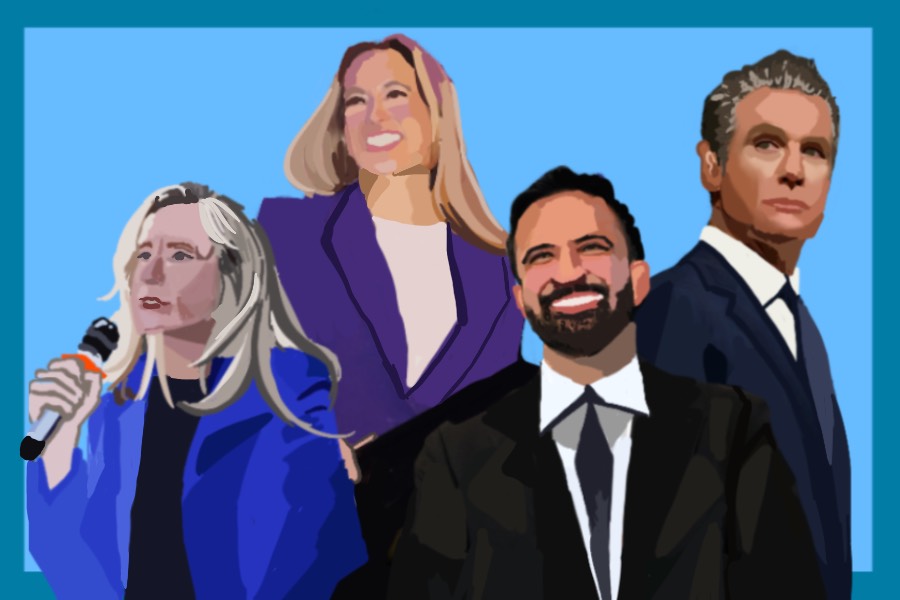
Instead, the deeper challenge is political credibility. Young voters—especially young men—are deeply skeptical of institutions and political establishments. If Democrats hope to reconnect with them, the answer may lie less in communication strategy and more in policy vision. Political leaders who appear genuinely anti-establishment or reform-oriented may resonate more strongly with younger audiences than those who seem tied to existing institutions.
In 2025, Zohran Mamdani presented a campaign of anti-establishment economic populism that emphasized a small number of tangible and memorable policies, standing in sharp contrast with Andrew Cuomo’s more traditional campaign style. The results were striking: roughly 75% of young voters supported Mamdani compared to just 19% for Cuomo, suggesting that young voters respond strongly to campaigns that center their economic concerns and speak directly to their experiences.
Ultimately, it is important for campaigns to connect with voters through a strategy that combines cultural relevance with people-centered policies and a clear commitment to political reform. If the 2024 election proved anything, it is that cultural influence may capture young voters’ attention, but only credible policies and authentic reform can win their trust.