





























































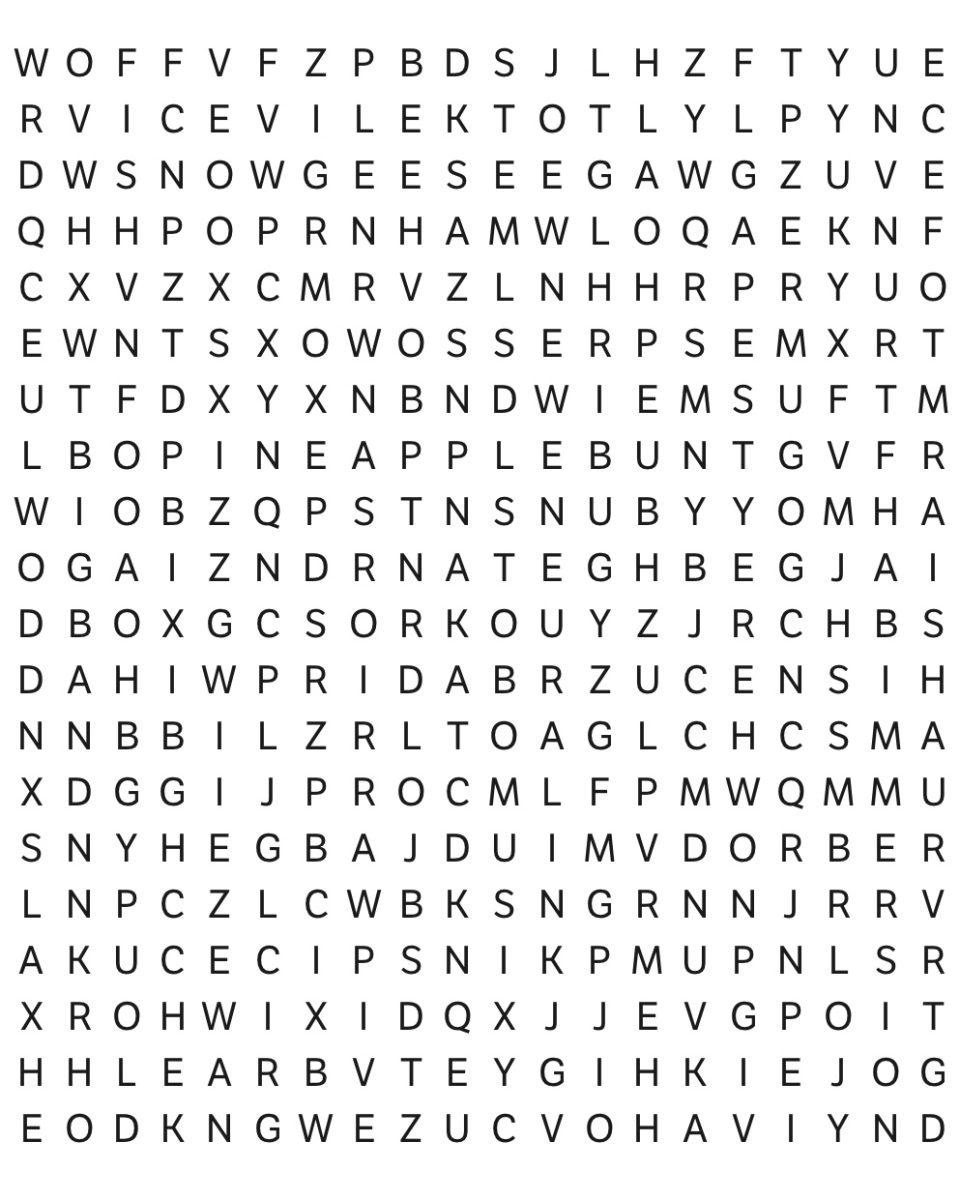




Warning: more than ten seconds of thinking required!
On average, we check our phones 144 times a day, we spend 2.5 hours on our phone per day, and Gen Z has an attention span of just eight seconds on average, in comparison to a millenial’s 12. These startling numbers are not just statistics—they are today’s reality. We have entered the era of the “micro-moment,” where we try to watch a 45-second TikTok video at 2x speed, blindly trust artificial intelligence (AI) for the sake of efficiency, and struggle to read a few paragraphs of a news article. Not only is this consumption of media shortening our focus, it’s causing a deterioration in our levels of patience and reading comprehension. So why is this happening, and how can we prevent it?
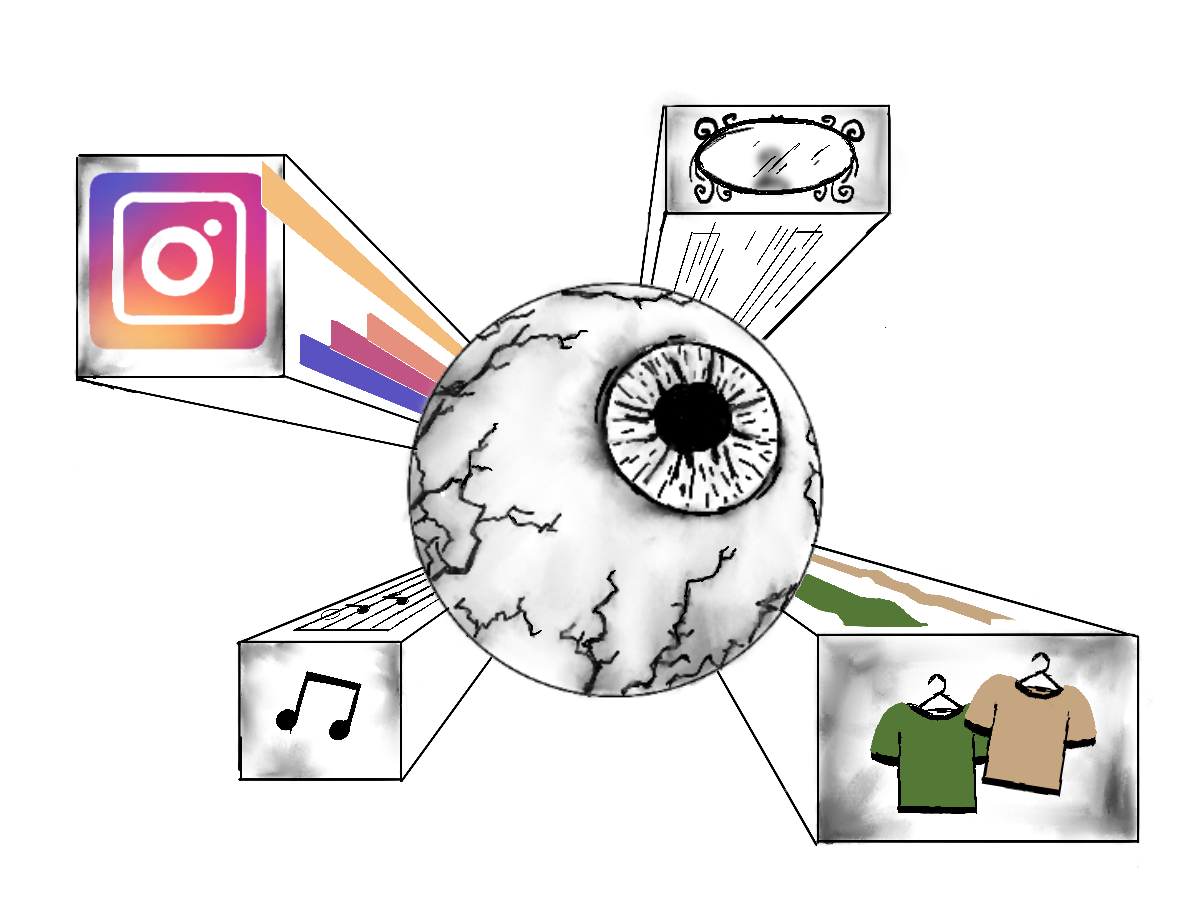
We’re all victims to this process: we’re trying to watch a croissant-making tutorial on Instagram reels, but the clips are just so long! We sigh in frustration, but we want to see the final result. So we tap and hold the edge of our screen, to make the video play out twice as fast. We don’t know it, but this action is linked to many psychological dangers. Stanford psychiatrist Anna Lembke explained in her book Dopamine Nation that this habit can cause “a dopamine-deficit state” which ultimately leads to a severe lack of motivation and anxiety or depression.
By watching a video at 2x speed, we learn to crave “a speedy reward.” The algorithm is training us to value the end result (the croissant), rendering the actual process (baking) boring. Social media has effectively rewired our brains to demand new stimuli and a fresh dopamine hit every ten seconds—anything slower than a viral TikTok dance is deemed unbearable. So how are we expected to sit through an hour-long lecture during school when we’re trying to skip through a half-minute clip?
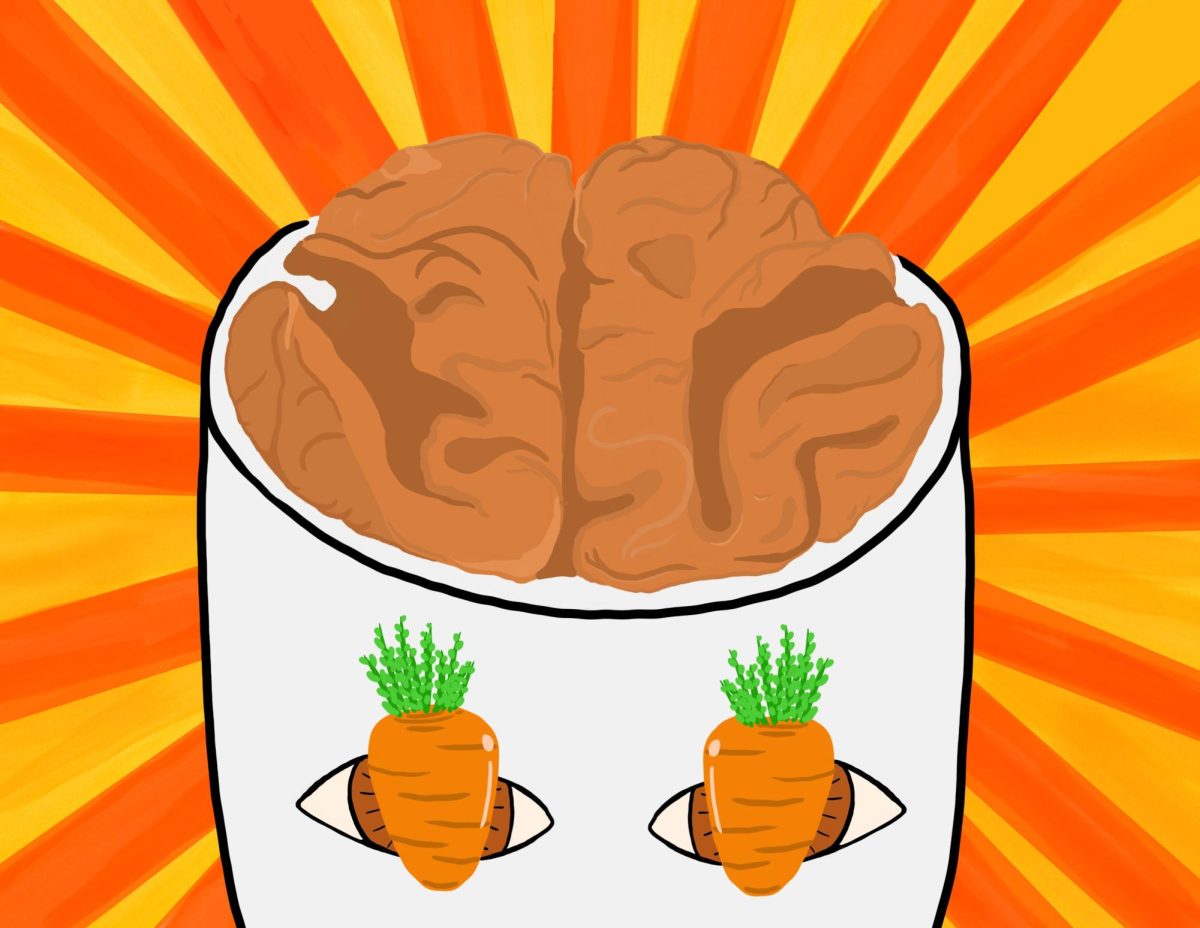
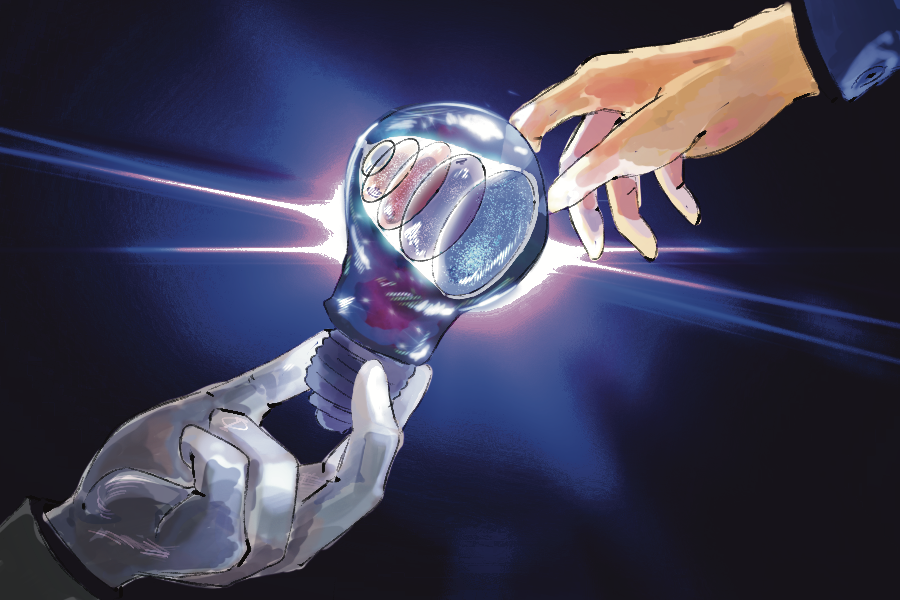
Since we seem to no longer have the stamina to endure the learning process, we now turn to the ultimate shortcut: AI. We often find ourselves copy and pasting news articles and emails into ChatGPT, asking it to summarize the entire thing in five bullet points. Maryanne Wolf, a neuroscientist at the University of California, Los Angeles, explains that we’re “word-spotting” and “skimming” works that are meant to be read in depth to enhance critical thinking. We frequently gaslight ourselves into believing that AI summaries are necessary because of their efficiency, but we’re only understanding material on a surface level, which leads to an atrophying of our mental muscles.
Wolf’s findings are supported by a 2025 study that shows a decade-long decline in high schoolers’ reading and math scores, which educators say is a result of “increased screen time, shortened attention spans, and a decline in reading longer-form writing.” Basically, we’re becoming a society that is slowly but surely losing practice in analyzing and formulating our own interpretations and opinions, which means we can’t grasp the subtext, irony, or nuance of a work of literature. A generation that can only understand the “gist” is one that is susceptible to the manipulation of a catchy headline or an unreliable and biased source. Wolf’s idea of solving this ongoing problem is printing out articles instead of reading them online, because “print does not hasten us,” but rather “goes according to our own pace.”
With the new generation of “digital crumbs,” we have traded deep literacy for disposable content—videos we watch once, scroll, then immediately forget about because of constant bursts of dopamine. Essentially, we’re starving our brains of the dedicated attention required for true mastery of a topic. Life doesn’t have a fast-forward button, and it shouldn’t have to: the punchline of a joke, the depth of a friendship, or just the quiet beauty of a sunset exist in unskippable moments that a 2x-speed world simply cannot express. We must stop sprinting through our lives, which are meant to be slow-moving, and start dwelling in them. Starting today, I encourage you to choose the patient process over the instant result, the full chapter over the AI summary. Only by resisting the urge to speed things up can we hope to restore our attention, and more importantly, the ability to truly appreciate the world we live in.