


















































This article contains spoilers!
Rian Johnson’s Knives Out series is known for its brilliant blend of classic murder mystery with both modern humor and social commentary. The third and latest installment in the series is no exception. Wake Up Dead Man: A Knives Out Mystery captures all of the greatness of a Knives Out film with its unique tone, leaving viewers with new ideas about faith and the consequences of greed. With twists, turns, satirical wit, and compelling characters, it certainly lives up to the Knives Out name. The film follows the young and earnest Father Jud Duplenticy (Josh O’Connor) as he is assigned to a church led by Monsignor Jefferson Wicks (Josh Brolin), a fire-and-brimstone preacher with questionable methods of tending his flock. Wicks is suspicious of Father Jud, and takes every opportunity to torment him. However, things change when Wicks is found dead in a seemingly impossible locked-door murder.
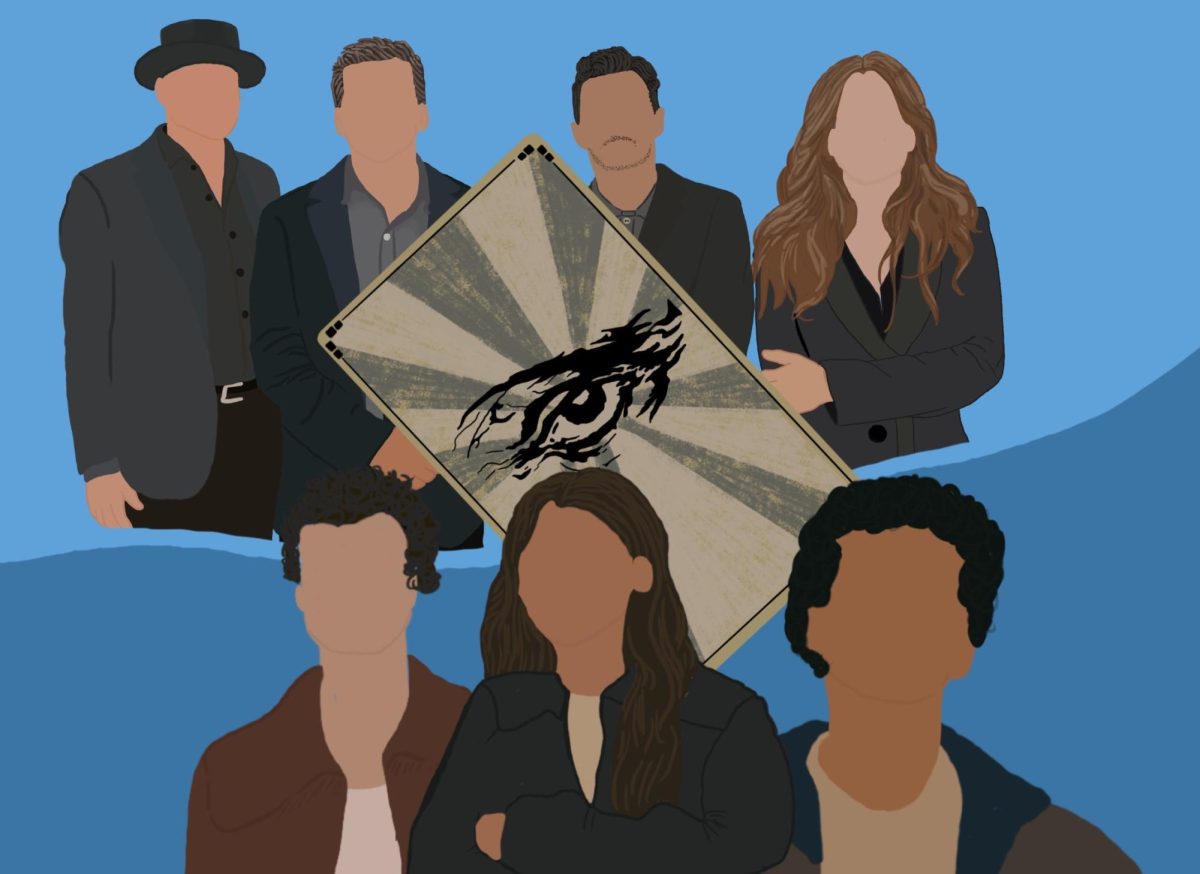
Eccentric southern sleuth Benoit Blanc (Daniel Craig) returns from the first two installments, and is joined by a new cast of side characters including the far-right science fiction writer Lee Ross (Andrew Scott), recently-dumped Dr. Nat (Jeremy Renner), groundskeeper Samson (Thomas Haden Church), devout church helper Martha (Glenn Close), disabled former cellist Simone (Cailee Spaeny), lawyer Vera Draven (Kerry Washington), and right-wing influencer Cy Draven (Daryl McCormack). The film also features Mila Kunis as local police chief Geraldine, Jeffrey Wright as the supportive yet blunt-spoken Bishop Langstrom, James Faulkner as Reverend Prentice Wicks, and Annie Hamilton as Reverend Wicks’s daughter Grace.
Wake Up Dead Man explores themes of faith, forgiveness, and greed. It tackles issues like hypocrisy and the “us versus them” mentality in religion, while still presenting an uplifting and positive message about faith. It criticizes religious shame as well as the use of fear tactics and weaponization of religion for political and monetary gain in a way that feels especially relevant today. The film doesn’t just show us what’s wrong with religion; it shows us what religion can and should be. The cinematography captures these themes well, particularly with the use of warm light in scenes of hope and darkness in scenes of despair. The Gothic cathedral also serves as a perfect dramatic backdrop for the events of the film.
The film’s phenomenal performances by its star-studded cast add to its great writing and cinematography, especially O’Connor’s portrayal of Father Jud. From Jud’s compassionate nature and deep embodiment of Christ’s teachings to his imperfections and violent instincts, O’Connor is able to portray the complexities of the character in a way that feels authentic. This portrayal is at its best during his heartfelt interaction with Bridget Everett’s character, Louise, a receptionist at the construction company responsible for opening the crypt of the deceased monsignor. The scene leaves an impact on the viewer in a way that’s unique for such a brief moment in the film. Additionally, Father Jud’s selfless and genuine faith clashes well with Monsignor Wicks’ self-centered and power-driven exploitation of faith. Brolin’s portrayal of Wicks embodies the opposite of everything a good priest should be. He does not love Christ’s teachings; he loves the power he gains by pretending to preach them.
Despite his lack of faith, Craig’s “proud heretic” Blanc works incredibly well with Father Jud. The two characters clearly respect each other despite their differing beliefs, something that contrasts with Jud and Wicks’s conflict despite their ostensible agreement on the matter of faith. Close’s over-the-top pious portrayal of Martha also deserves recognition, as she is able to foster either humor or drama in a scene, depending on the moment.
In addition to the thematic and dramatic elements, Wake Up Dead Man contains the signature humor of the first two installments, although it takes more of a backseat role due to the heavier themes. Still, the comedy stands strong in scenes like Wicks’s vivid, graphic confession of his sins. The satirical wit throughout the series is also in full swing, with all of director Johnson’s criticisms of right-wing politics clearer than ever and updated for current times: Cy Draven’s anti-woke influencer persona pokes fun at real-life people that spread misinformation for their own personal gain; Ross, a former bestselling author turned far-right conspiracy theorist with a moat around his house, is a caricature of alt-right paranoid fanatics; Monsignor Wicks’s radicalization of his parishioners into a cult of personality is reminiscent of certain politicians. And of course, his exaggeratedly angry, fear-based preaching is a fictionalized version of very real “Christians” who use hate and fear to gain power and influence.

Jane Craig • Feb 2, 2026 at 2:18 pm
Fascinating! I would appreciate an opportunity to read it, or watch it.