


























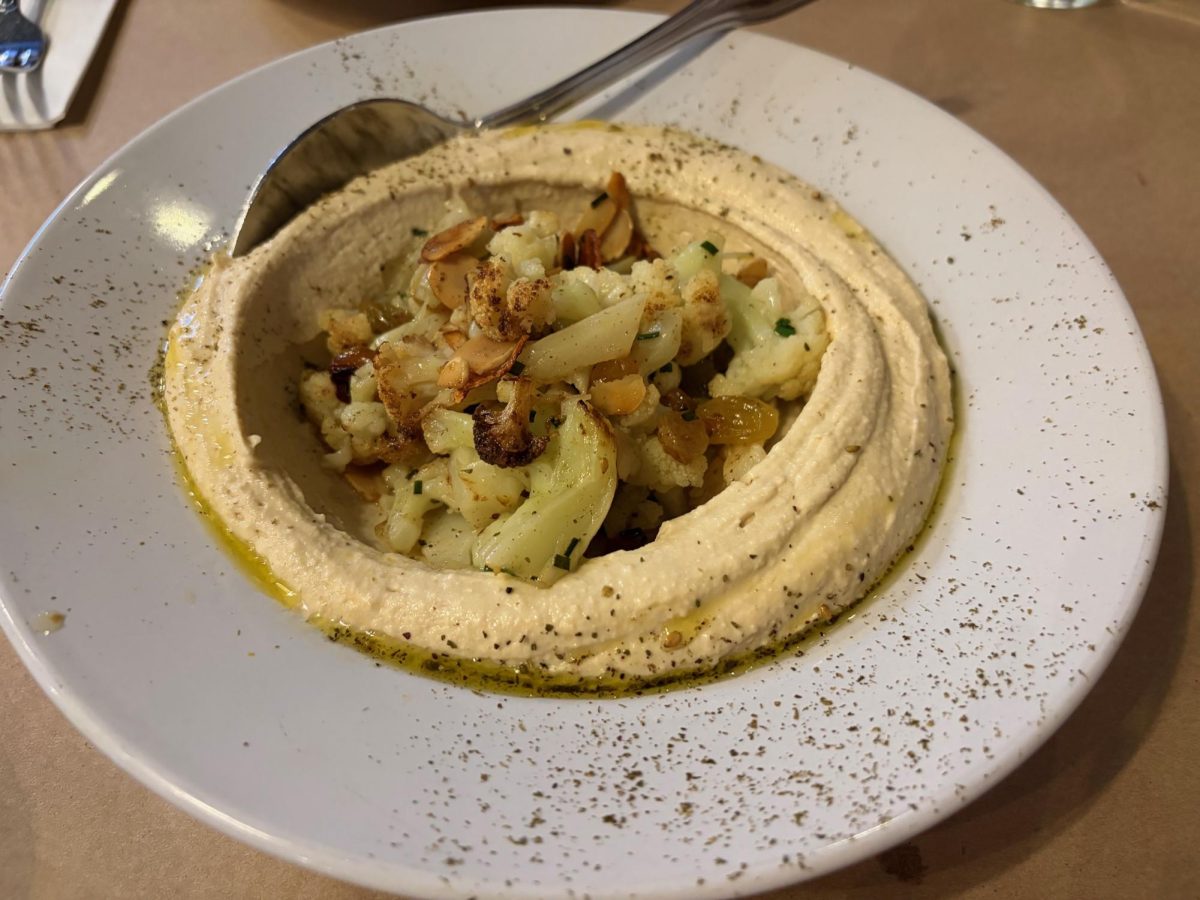
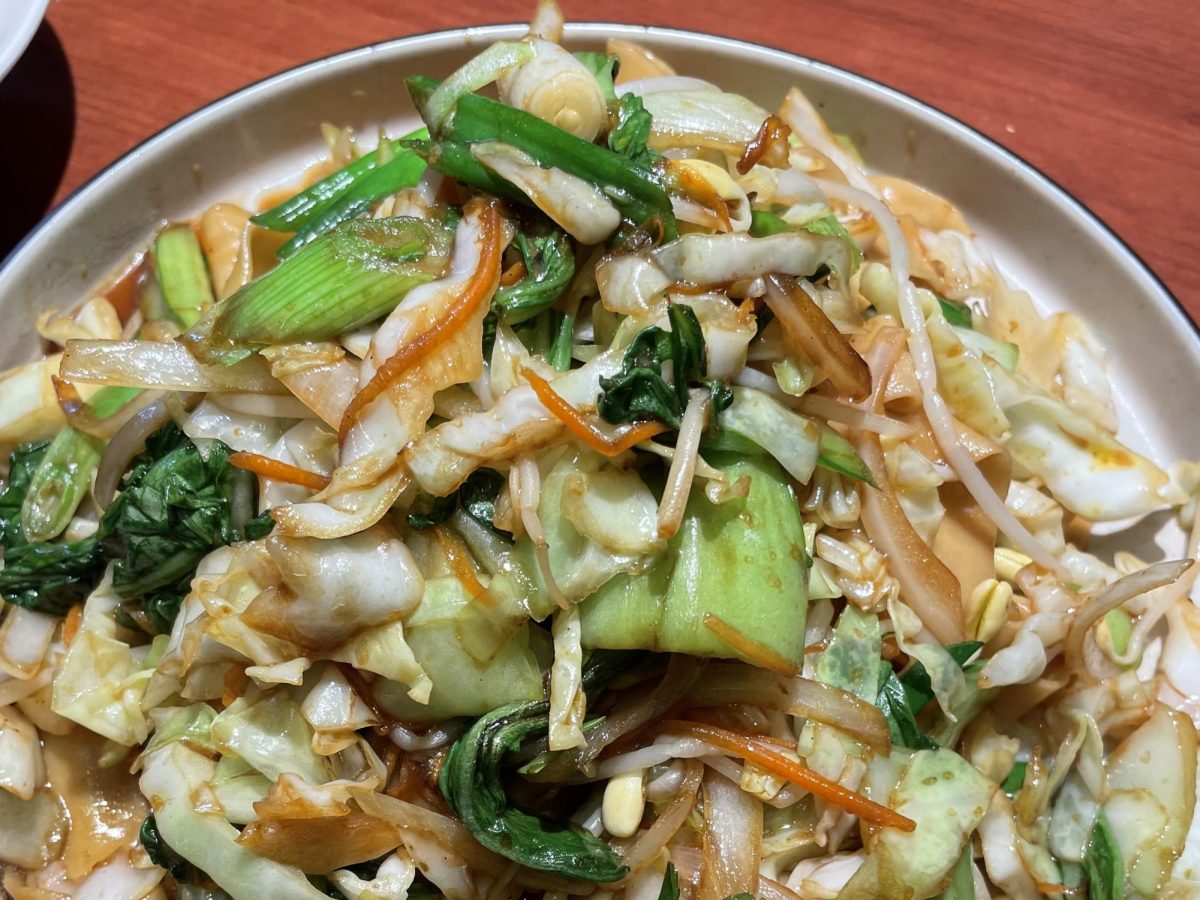
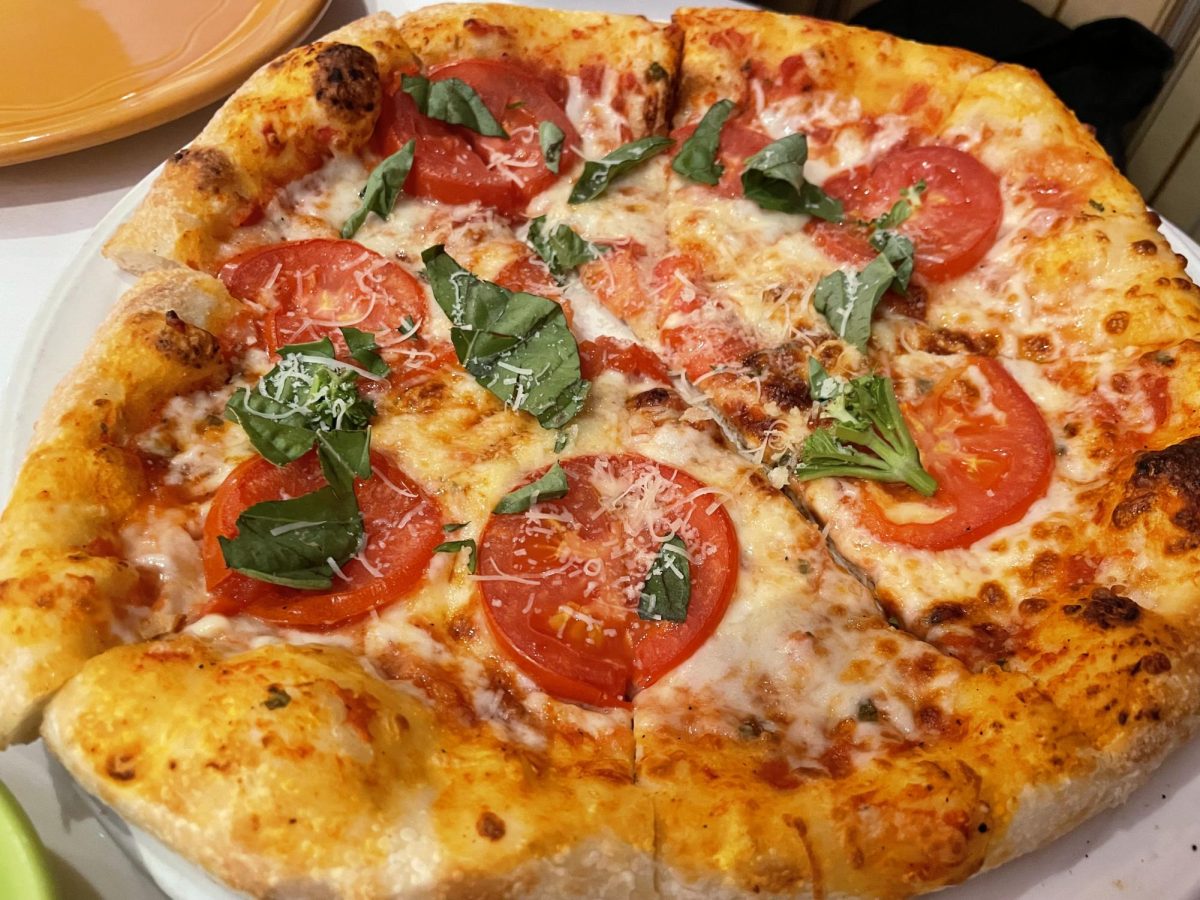










































My mother masterfully chops, cooks, and stirs, and the aromas fill the air. It’s a sweet yet savory smell, beckoning me closer for a taste. Just one bite. One. You know you want it. The gentle bubbling in the pan signals that the dish is ready. She plates it carefully, adding the final touches with precision. But then all of a sudden, I smell it: the intruder, the repugnant impostor, that culinary contamination. Cilantro.
One sprinkle of cilantro can turn a meal into a glorious flavor explosion… or a mouthful of soap. Somehow, the tiny green herb manages to be both loved and hated with equal passion. In Central America, for instance, both cilantro and its close relative, culantro, are staple ingredients in traditional dishes. They appear in a wide range of preparations, from seafood (ceviches) and soups (machuca) to sauces (pico de gallo and guacamole). Cilantro is also present in many Southeast Asian dishes, especially in Thai or Vietnamese cuisines, where it’s featured in soups (phở and tom yum), curries (cà ri gà and green curry), and fresh rolls.
However, despite the warm embraces of the herb in these cuisines, it faces a quiet rejection in others. In much of Northern and Western Europe, coriander, the dried seeds of cilantro, has never been a staple, often being replaced with chives or parsley. In the United States, the divide is distinctly pronounced: plentiful in Tex-Mex and Southeast Asian dishes, but noticeably absent in others. Cilantro hatred has also found a home in the media, where the aversion is further amplified. American chef Julia Child famously scorned the use of the herb, proclaiming that she would “pick it up if [she] saw it and throw it on the floor.” Websites and social media platforms dedicated to expressing their disdain for cilantro have pages with thousands of followers and contributors, consistently posting pictures of accidental cilantro encounters and memes about “Satan’s weed.”
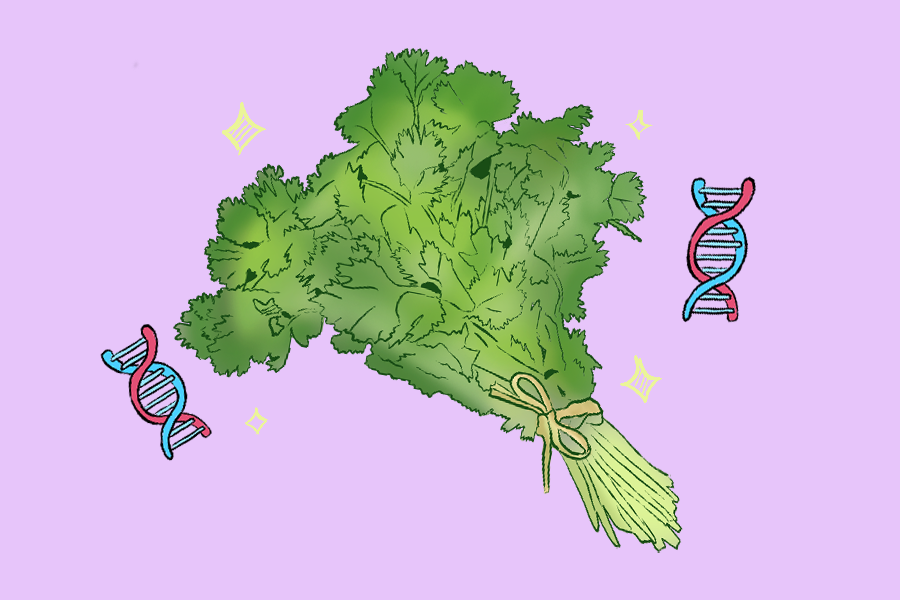
It turns out, cilantro’s divisive flavor isn’t just a matter of personal preference; it’s in our genes. Some people carry a polymorphism in their OR6A2 olfactory-receptor genes that causes them to react strongly to the soapy flavor of aldehydes in the cilantro leaves. In other words, a variation in the genes responsible for detecting smells causes some people to feel unusually sensitive to scent compounds in the herb. Some of these same compounds are actually byproducts of the soapmaking process, and can also be found in bug spray, explaining why cilantro may taste so much more revolting to us cilantro skeptics.
While only a small sector of the world has this genetic variation, its prevalence varies significantly by geography. Countries in Central America, South Asia, and the Middle East tend to have less people with the trait (as low as 4%), and those of European and East Asian descent have a much higher rate (up to 21%). Over time, these biological differences shaped the flavors people embraced, eventually being embedded into their cooking traditions. Thus, though the genetic trait may have begun the aversion to cilantro, cultural habits and tradition likely reinforced it through the generations.
I gingerly pick the leaves off my dish, cringing at the texture. My mother, on the other hand, contently takes a bite, savoring the citrusy taste of cilantro. While I may grimace now, push it to the side, and pretend it never happened, I know that perhaps there is a value to the herb that divides: its ironic ability to bring cultures, communities, and ingredients together.