











































































With cancer rates on the rise in many parts of the world, scientists continue to research the disease every day. What makes this medical challenge daunting is the fact that cancer is not just one single disease; there are over 200 different variations of it. However, even though cancer does not have a single cure, many patients have been able to beat this condition thanks to therapies and medical advancements.
One such innovative therapy is eliminating cancer cells with the help of LED light treatment. Recently, researchers from the University of Texas in Austin and the University of Porto in Portugal have discovered that LED lights and SnOx nanoflakes can be used together to treat cancer. SnOx nanoflakes are thin, flake-like particles consisting of tin-oxide that, when exposed to specific types of LED light, can kill cancer cells. According to study results published in the scientific journal ACS Nano, the treatment successfully destroyed approximately 92% of the skin cancer cells and half of the total amount of colorectal cancer cells within a matter of thirty minutes! Furthermore, this was accomplished without damaging the surrounding healthy cells, a rare occurrence in many typical forms of cancer treatments.
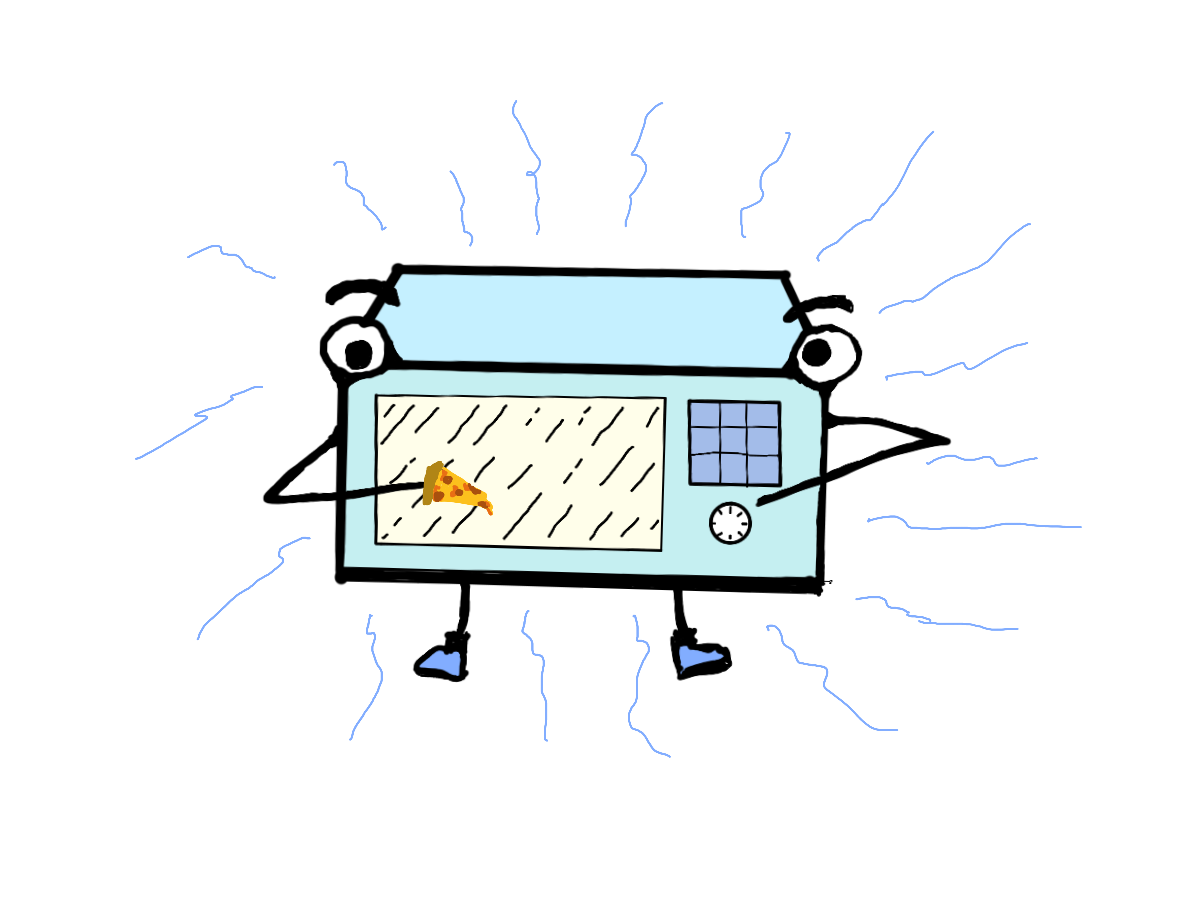
Delving into the science behind this LED light treatment uncovers some truly fascinating insights. After the SnOx nanoflakes bind to a cancer cell, they are exposed to waves of near-infrared (NIR) LED light. When the SnOx nanoflakes are triggered by the LED light, they convert the light into heat. The heat damages the cancer cells’ proteins and membranes, ultimately killing them through a process called photothermal therapy. The healthy cells remain unaffected because they do not respond as negatively to heat as the cancerous cells do, which is arguably the most remarkable part of this technology!
Although it is not an official procedure yet, using LED light and SnOx nanoflakes to target cancer cells holds a promising future. This method, if implemented in the medical field, could eliminate the need for invasive surgery because light is able to bypass the human tissue externally. Furthermore, it is more affordable as LED lights act as a replacement for high-power lasers. This would make the treatment more affordable and accessible for patients suffering from cancer. Artur Pinto, the lead researcher of a LED cancer project in Portugal, envisions treatment for skin cancers to eventually be offered in a patient’s home versus in a hospital: “A portable device could be placed on the skin after surgery to irradiate and destroy any remaining cancer cells, reducing the risk of recurrence.”
While researchers are still discovering new ways to combat cancer, possibilities such as the LED light and SnOx nanoflake treatment are signs of hope in the medical field. LED light and SnOx nanoflakes not only target specific cancerous cells without damaging the healthy tissue, but could also provide a less expensive alternative to eliminating cancer. Through these groundbreaking discoveries, scientists and researchers are getting closer to finding safer and more impactful methods to treat cancer, serving as a beacon of hope for patients and their families around the globe.