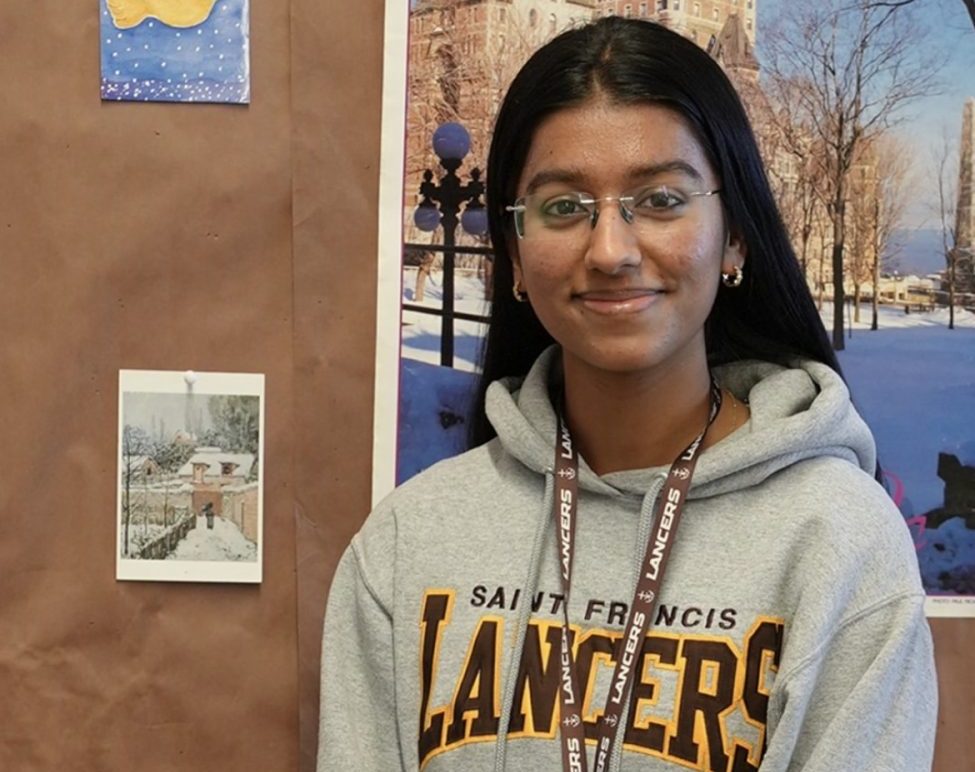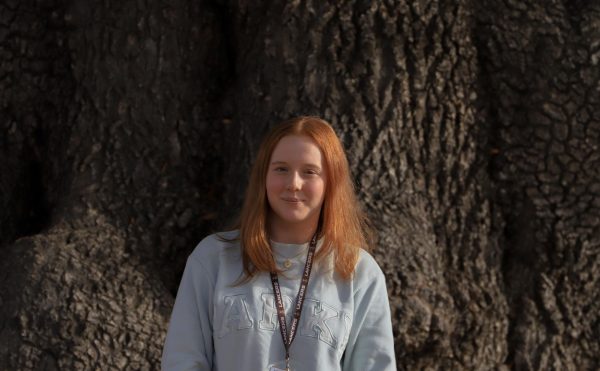



























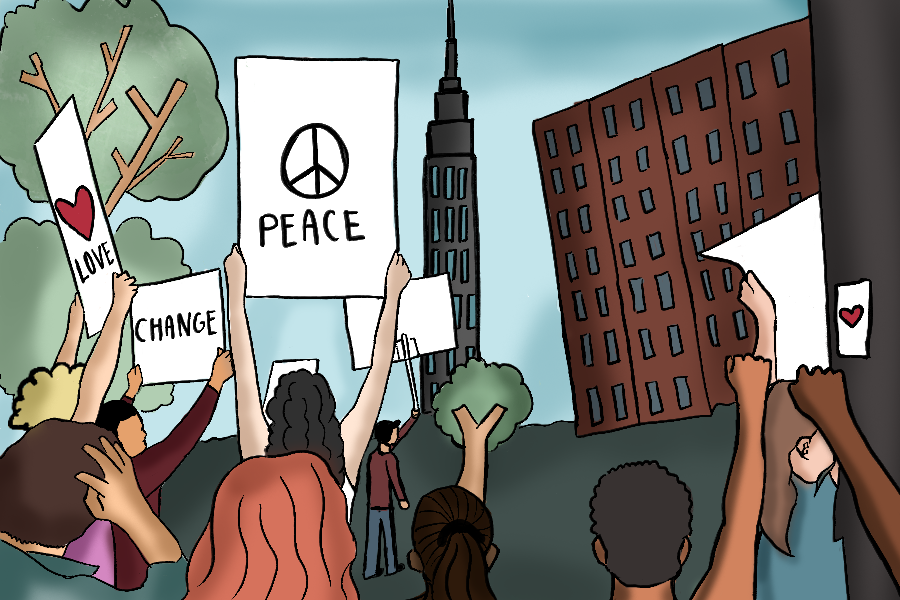


























Sometimes the hardest part of trying to make a difference is knowing where to start. On October 24, climate activists across the globe aimed to raise awareness with an International Day of Climate Action. The Saint Francis Environmental Club took up this call to action with a City Council Member Q&A held at lunchtime. Emma Dougherty (’27) is a board member of the Environmental Club and facilitated a large part of the planning that went into this event. “Our goal was to make students aware of the Make Polluters Pay Climate Superfund bill and discuss how climate change impacts our health and our future, as well as how kids can get involved in their local government and advocate for themselves,” said Dougherty.
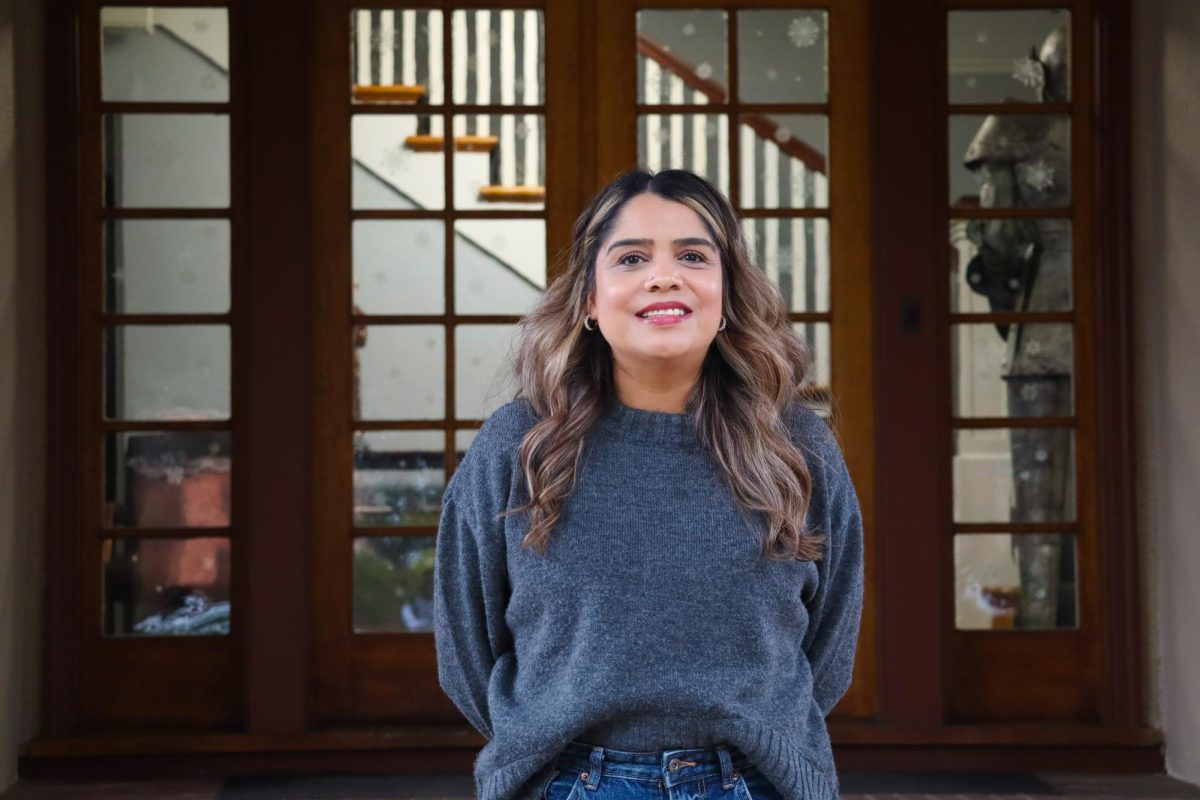
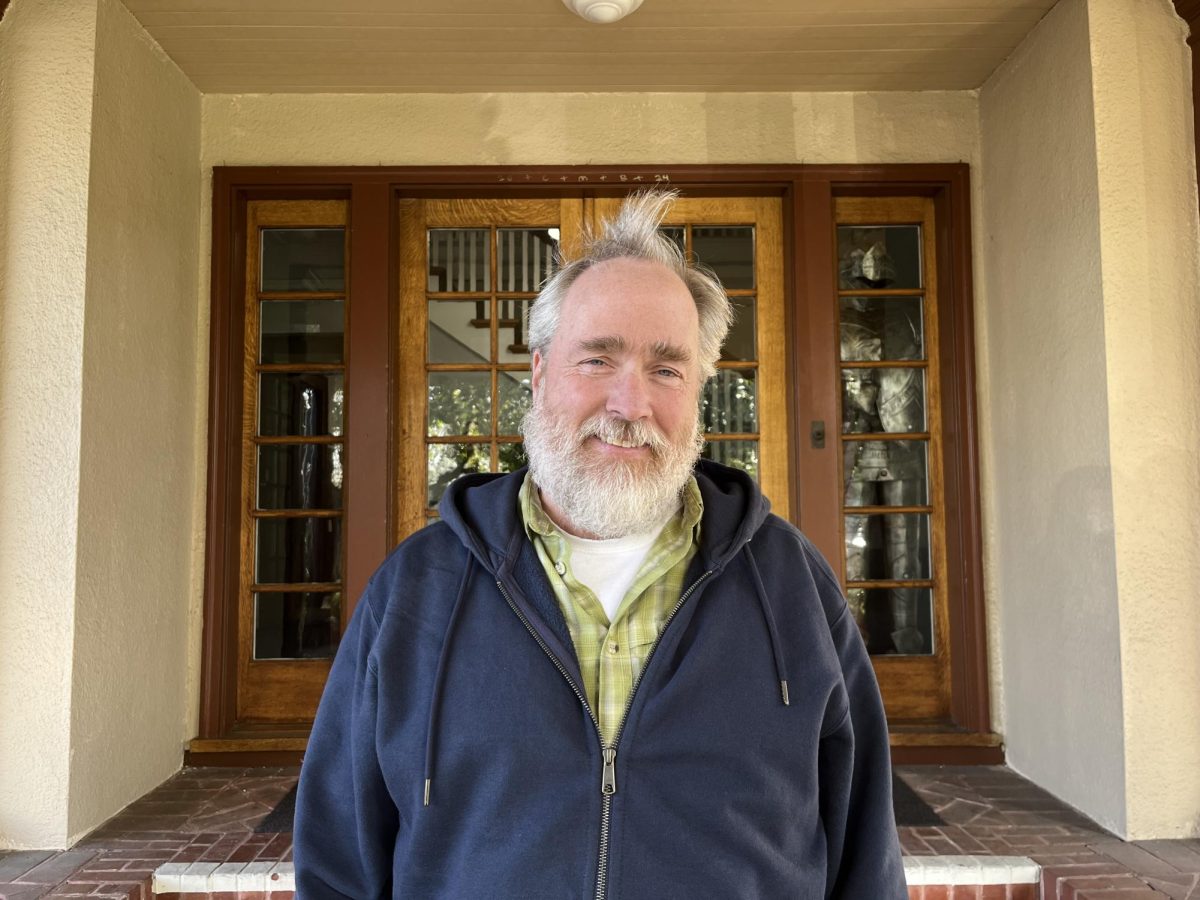
For those that aren’t familiar, the Make Polluters Pay bill aims to charge companies in proportion to the amount of carbon dioxide they emit. If passed, the funds gained from this would support climate adaptation and mitigation efforts. To discuss the impact of this bill, the board invited Mountain View Councilmember Allison Hicks, who formerly served as the city’s mayor and vice mayor, to talk about her support for the bill and her involvement in Mountain View’s sustainability committee.
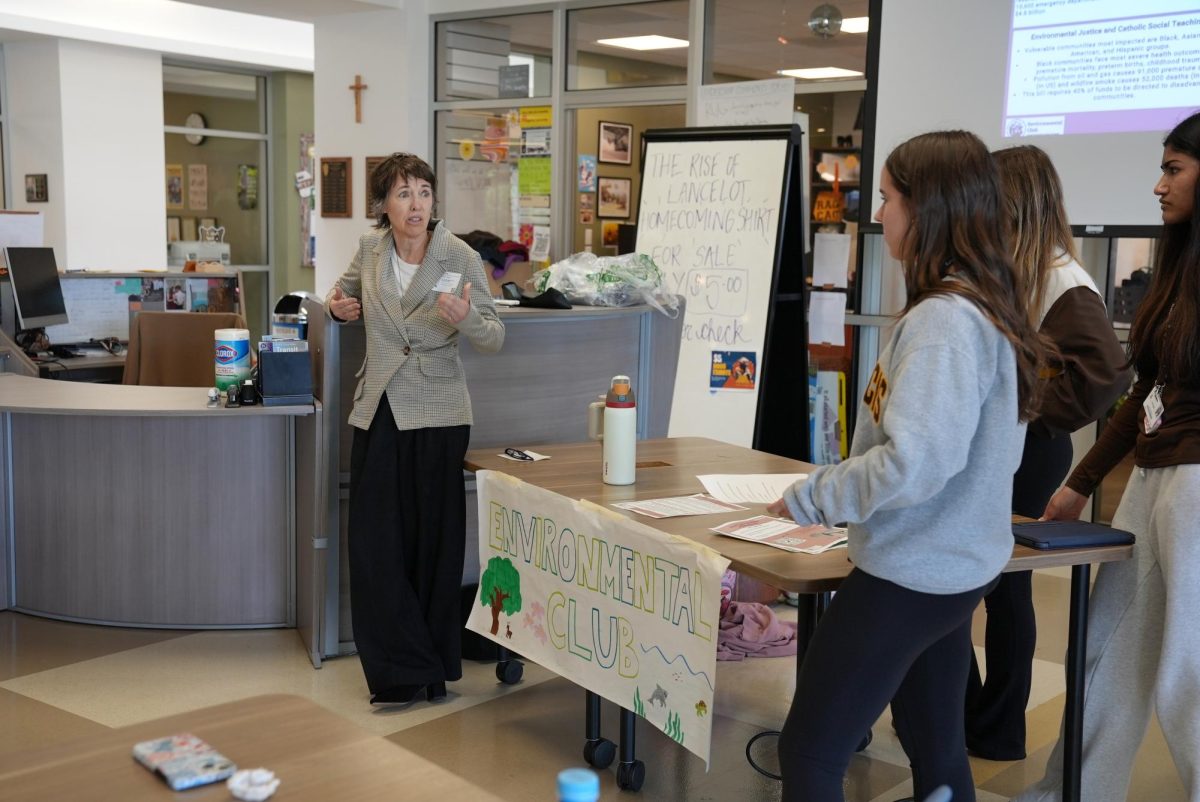
On the day of the event, Councilmember Hicks went on a tour of campus and spoke to a leadership class before heading to the Sobrato Commons during second lunch. A handful of students gathered around tables outside of the Campus Ministry office, and after a brief introduction, the Environmental Club opened up the floor for questions. The conversation started with a focus on the Make Polluters Pay bill: “Ultimately, electrifying things and moving to these new forms of energy use is going to save us all money. If you put solar panels on your house and got a solar panel battery, and got all [electric] appliances—a heat pump heater and water heater, and got an electric car—you could run all of that totally free. However, you would have an initial cost for all the infrastructure,” suggested Hicks. She framed much of her discussion about environmental action around economic practicality, and her approach reflects recent cultural shifts that have moved away from emotional appeals and toward arguments emphasizing financial stability. “I think with sustainability in general, the way we need to talk about it with the new administration in Washington is that it’s just the logical next step we’re taking,” Hicks said.
The event was also an educational experience for those looking to get involved with their communities. Councilmember Hicks gave advice on student participation: “I think the most effective thing is to join a group that already exists… Usually they’re looking for more active members. And frankly, younger members are very welcome because those groups always want new members to come up in Mountain View.” Ms. Emily Thomas, the Environmental Club moderator and an AP Environmental Science teacher, also urged students to expand their involvement outside of just environmental issues: “No matter what you care most about, it’s the same way. That’s how you get involved. Making a public comment at a meeting and showing up meeting after meeting, getting your face out there and making connections with people locally. Just find that thing and then work on it.”